简体中文
简体中文 Shqip
Shqip لالعربية
 Polski
 رسی
رسی Deutsch
 Русский
 Français
 한국어
한국어 Nederlands
 Čeština
 Bahasa Melayu
 Português
 日本語
日本語 Svenska
 Kiswahili
 ไทย
ไทย Türkçe
 繁体中文
繁体中文 Українська
 Español
 Italiano
 हिन्दी
 Bahasa Indonesia
 Tiếng Việt
 Filipino
Aflatoxin B is a common mycotoxin, which widely exists in moldy food, feed and related foods. When the aflatoxin B in food or feed exceeds the standard, it will not only pose a serious threat to the health of livestock and poultry, but also cause potential harm to human health if the contaminated livestock and poultry products or food are ingested for a long time. Therefore, it is essential to comprehensively understand its harm and take effective prevention and control measures.
Aflatoxin B Excessive liver damage to livestock and poultry
Livestock and poultry, as the main victims of aflatoxin B excessive pollution, bear the brunt of liver damage. Long-term intake of excessive toxins can cause liver cell degeneration, necrosis, and in severe cases, liver fibrosis or even cirrhosis, which affects the normal metabolism and detoxification function of the liver. This will not only lead to growth retardation and reduced feed conversion rate of livestock and poultry, but also affect their reproductive ability, reduce egg production rate, milk production or weight gain rate, and bring direct economic losses to the breeding industry. In addition, during acute poisoning, livestock and poultry may experience symptoms such as vomiting, diarrhea, jaundice, and even death in the short term, posing a significant threat to breeding efficiency.
Health risks of aflatoxin B Excessive pollution to human health
For humans, foods contaminated with aflatoxin B Excessive pollution also have health risks. It has strong toxicity and carcinogenicity, and long-term low-dose intake may increase the risk of malignant tumors such as liver cancer and gastric cancer. Short-term intake of high doses of contaminated food may cause acute toxic reactions, manifested as nausea, vomiting, abdominal pain, jaundice and other symptoms, which can lead to liver and kidney failure in severe cases. It is particularly noteworthy that infants, pregnant women and people with weakened immunity are more sensitive to aflatoxin B, and the degree of harm may be higher, posing a direct threat to life and health.
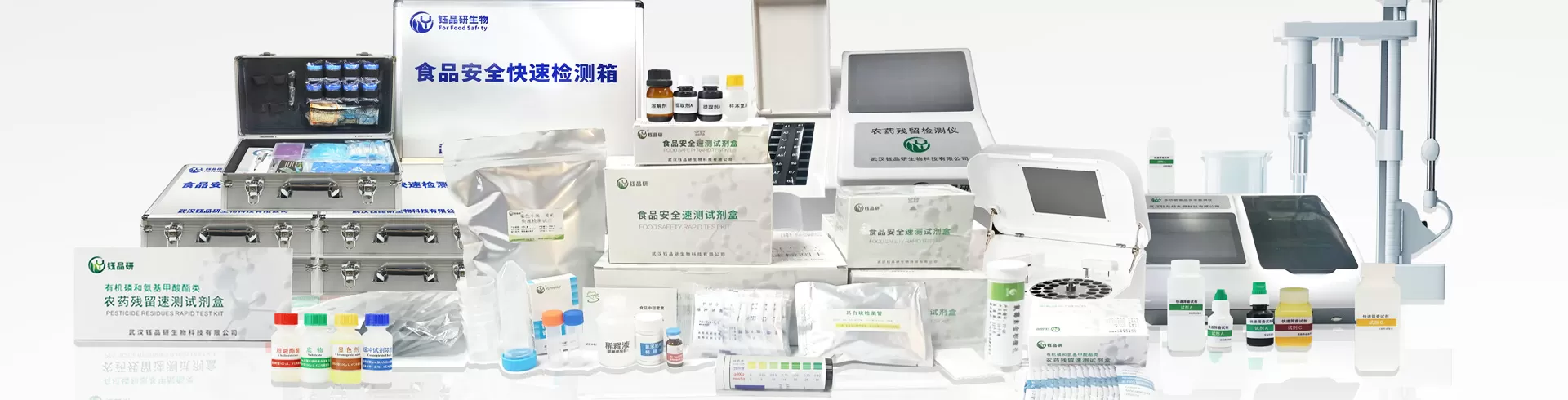
In order to effectively monitor and control the problem of aflatoxin B exceeding the standard, Wuhan Yupinyan Bio focuses on the research and development of food safety rapid detection technology. The food safety rapid detection reagent produced by it can be used for food and feed aflatoxin B. Rapid and accurate screening, simple operation and high detection efficiency, can help enterprises and regulatory authorities to detect potential pollution risks in time, ensure food safety from the source, and help build a safer food supply chain.