简体中文
简体中文 Shqip
Shqip لالعربية
 Polski
 رسی
رسی Deutsch
 Русский
 Français
 한국어
한국어 Nederlands
 Čeština
 Bahasa Melayu
 Português
 日本語
日本語 Svenska
 Kiswahili
 ไทย
ไทย Türkçe
 繁体中文
繁体中文 Українська
 Español
 Italiano
 हिन्दी
 Bahasa Indonesia
 Tiếng Việt
 Filipino
Aflatoxin B is a highly toxic and carcinogenic mycotoxin that widely contaminates peanuts, corn and other crops and their processed products, posing a serious threat to food safety and human health. Through the formulation of strict national standards, our country has clarified the limit requirements for aflatoxin B in different food categories to ensure consumer dietary safety. As an enterprise focusing on the research and development of food safety rapid detection reagents, Wuhan Yupinyan Bio is committed to providing accurate and efficient detection solutions for the industry, helping all links to strictly control the safety threshold.
basic requirements for national standard limits of aflatoxin B
According to the National Food Safety Standard, Limits of Mycotoxins in Food (GB 2761-2017), the limit of aflatoxin B in food needs to be classified and controlled according to the food category. The core of this standard is to reduce the risk of toxin pollution in the whole chain from planting, processing to storage through differentiated threshold setting, and ensure that the toxin content in food ingested by consumers is within a safe range. For easily contaminated crops such as peanuts and corn and their products, as well as agricultural inputs such as feed, there are clear exclusive safety thresholds.
exclusive safety threshold for peanut products
peanuts and their products are high-risk carriers of aflatoxin B contamination, and the degree of contamination is closely related to storage conditions and processing techniques. According to the requirements of the national standard, the limit of aflatoxin B in shelled peanuts and peanut kernels is 20 μg/kg; the limit standard for pressed peanut oil and other oil products is stricter, which needs to be controlled at 10 μg/kg. Once the toxin content in peanuts or their products exceeds the standard, it will not only affect the product quality, but also cause potential harm to human health through the food chain. Therefore, the detection of aflatoxin B in peanut cultivation, acquisition, processing and other links is particularly important.
the safety threshold specification of corn products
corn, as a widely grown food crop around the world, is also vulnerable to aflatoxin B contamination. The limit standard for aflatoxin B in whole corn (including fresh corn and dry corn) is 10 μg/kg; the limit requirements for processed products such as corn flour and corn starch are consistent with that of whole corn. If the temperature and humidity of corn are not properly controlled during storage, it is easy to breed toxic molds, resulting in toxin accumulation. Screening the entire corn industry chain through rapid detection technology can detect the risk of exceeding the standard in time to avoid entering the market and causing safety hazards.
Limit standard for aflatoxin B in feed
Feed is a basic raw material for animal breeding, and its aflatoxin B content directly affects animal health and the safety of meat, eggs and milk products. According to feed industry standards, the limit of aflatoxin B in feed is usually 20 μg/kg (there may be subtle differences between different feed types). If feed toxins exceed the standard, it will lead to animal poisoning, decreased immunity, and even indirectly endanger human health through meat, eggs and milk products. Therefore, feed manufacturers need to establish strict testing procedures to ensure that raw materials and finished products meet safety thresholds.
Wuhan Yupinyan Bio helps safety testing
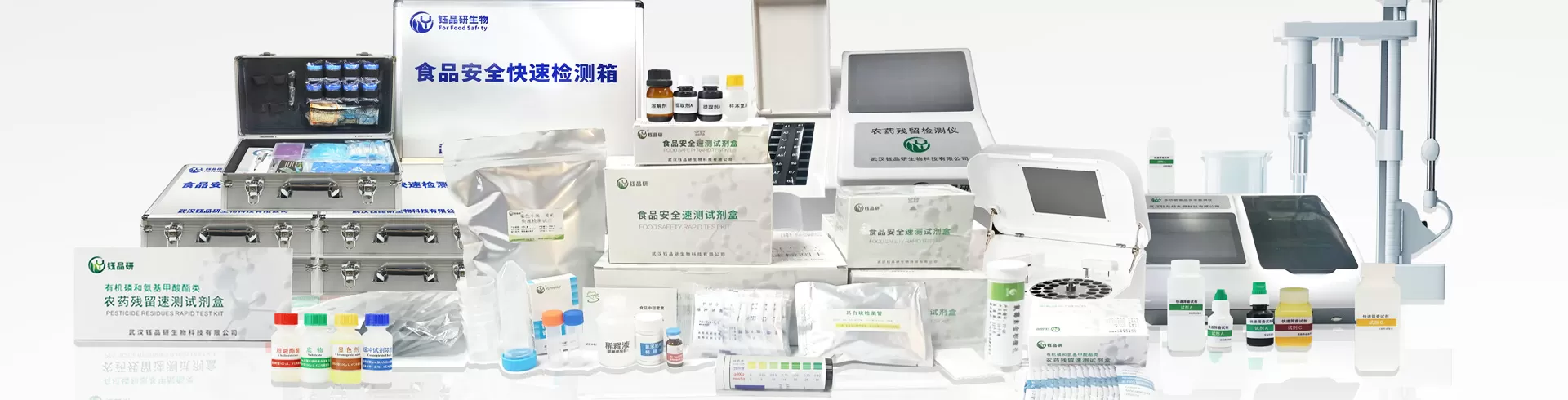
Wuhan Yupinyan Bio focuses on the research and development of food safety rapid detection reagents, and has launched a series of rapid detection products for aflatoxin B detection. These reagents have the characteristics of easy operation, fast detection speed and accurate results, and can be widely used in on-site screening and laboratory testing of peanut, corn, feed and other samples. By using the rapid detection reagent of Wuhan Yupinyan Bio, the enterprise can efficiently control the content of aflatoxin B in the product, ensure that it meets the national standard limit requirements, and build a food safety defense line from the source.