简体中文
简体中文 Shqip
Shqip لالعربية
 Polski
 رسی
رسی Deutsch
 Русский
 Français
 한국어
한국어 Nederlands
 Čeština
 Bahasa Melayu
 Português
 日本語
日本語 Svenska
 Kiswahili
 ไทย
ไทย Türkçe
 繁体中文
繁体中文 Українська
 Español
 Italiano
 हिन्दी
 Bahasa Indonesia
 Tiếng Việt
 Filipino
Aflatoxin B is a highly toxic mycotoxin that is widely found in moldy grains, nuts and other agricultural products. Long-term intake may increase health risks such as liver damage and carcinogenesis. As a nutrient-rich snack, nuts can easily lead to aflatoxin B residues if their raw materials are contaminated by mold during growth, storage or processing. In recent years, with the increasing attention of consumers to plain nuts and processed nuts, the differences in aflatoxin B residue exposure and safe selection between the two have become the focus of attention in the field of food health.
Original nuts usually refer to nuts that have not been deeply processed, such as directly fried or lightly baked products. The raw materials are mostly relatively fresh fruits, which retain the natural form and nutrients of nuts. This type of nut may only be simply screened, washed or baked at low temperature during the production process to remove some impurities and moisture, but the initial contamination of the raw materials directly affects the toxin residues of the final product. If the nut encounters a humid environment during growth or fails to effectively prevent moisture and insects during storage, it is very easy to breed toxic molds, resulting in the accumulation of aflatoxin B.
Processed nuts are products that have been treated through a variety of processes. Common processing steps include deep baking, seasoning, adding food additives or compound packaging. In these processes, high temperature treatment may have a certain destructive effect on aflatoxin B, but the specific effect depends on temperature, time and toxin concentration. For example, high temperature baking can decompose part of the toxin structure, but it cannot be completely eliminated; and if the process of seasoning or adding preservatives does not specifically remove the toxins in the raw materials, a certain amount of toxins may still remain. In addition, processed nuts are usually sealed and marked with the shelf life, which delays the growth of mold to a certain extent, but the risk of toxin residues still needs to be comprehensively judged in combination with the quality of the raw materials and the processing technology.
From the perspective of exposure risk, if the raw materials of plain nuts are seriously contaminated and not fully detoxified, there may be a higher risk of aflatoxin B exposure, especially in bulk or informal channels. Due to the screening and processing of processed nuts, the toxin residue of some products may be lower than that of high-quality plain nuts, but it is still necessary to be vigilant against the potential hidden dangers of some small workshops or processed products with simple processes. In addition, the difference in storage conditions between the two will also affect toxin residues: if the storage environment humidity of plain nuts is high, the risk of mildew will increase; while processed nuts are packaged and sealed, they may still be exposed to air after opening.
For consumers, when choosing nuts, they should give priority to regular brand products, check the production date and shelf life in the product label, and avoid buying products that have expired or damaged packaging. If conditions permit, nuts that have been professionally tested can be selected to ensure that aflatoxin B residues meet national standards. At the same time, when storing nuts, they should be kept dry and cool, avoid direct sunlight and humid environment, seal them in time after opening and eat them as soon as possible.
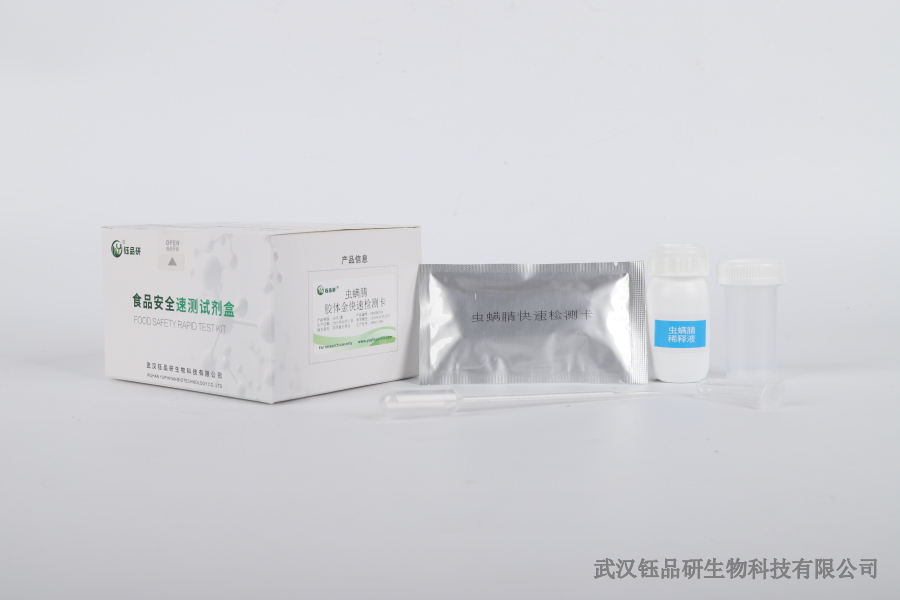
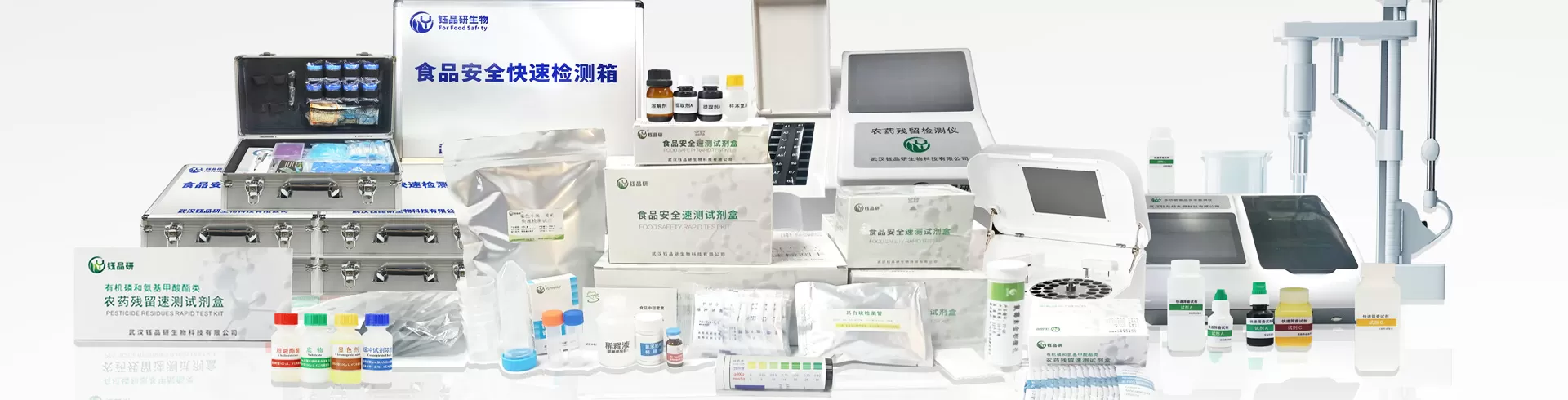
In order to effectively monitor the residue of aflatoxin B in nuts, the food safety rapid detection reagent developed by Wuhan Yupinyan Bio can help food manufacturers and regulatory authorities quickly screen product safety risks and control food safety from the source. Through this reagent, the toxin content in samples can be qualitatively or semi-quantitatively detected in a short time, providing data support for enterprises to adjust production processes and optimize raw material procurement, and also escorting consumers' healthy diet. Only by choosing safe and reliable nut products and scientifically preventing the risk of aflatoxin B can delicious food and health go hand in hand.