简体中文
简体中文 Shqip
Shqip لالعربية
 Polski
 رسی
رسی Deutsch
 Русский
 Français
 한국어
한국어 Nederlands
 Čeština
 Bahasa Melayu
 Português
 日本語
日本語 Svenska
 Kiswahili
 ไทย
ไทย Türkçe
 繁体中文
繁体中文 Українська
 Español
 Italiano
 हिन्दी
 Bahasa Indonesia
 Tiếng Việt
 Filipino
Vegetable oil is the main source of dietary fat in our country, and its quality and safety are directly related to public health. Aflatoxin B (AFB) is a strong carcinogen produced by aspergillus flavus and other molds, which has strong toxicity and carcinogenicity. Long-term intake may increase the risk of liver cancer. In the process of vegetable oil production, the concentration problem of AFB and the source of excessive standards have attracted much attention. In-depth understanding of its concentration path and the cause of pollution is the key to ensuring the safety of vegetable oils.
The concentration path of aflatoxin B in vegetable oil
The concentration of AFB in vegetable oil is mainly due to raw material pollution and enrichment during processing. First of all, AFB is lipophilic, and when the oil crop is moldy, a large amount of toxins will be adsorbed in the oil; secondly, in the oil extraction process, whether it is the pressing method or the leaching method, AFB will enter the crude oil with the oil. During the pressing process, the crude oil will carry some toxin residues in the moldy cake; in the leaching method, AFB will preferentially dissolve in the oil during solvent extraction, resulting in a relatively high concentration of toxins. In addition, AFB is chemically stable and resistant to high temperatures (generally the refining process such as deodorization above 100 ° C is difficult to completely destroy), and in the oil refining process, if the adsorption capacity of the adsorbent (such as clay) used in the degumming and decolorizing process is insufficient, the toxins may enter the final product with the oil and form a concentration.
the source of the excess of soybean oil and rapeseed oil
AFB in soybean oil and rapeseed oil exceeds the standard, and the root cause can be traced back to the two key links of raw materials and processing. In the raw material link, soybean and rapeseed encounter rainy weather, pests or insufficient drying after harvest during the planting period, which can easily lead to seed mildew, and Aspergillus flavus breeds and produces AFB. During the storage process, if the warehouse has high humidity and poor ventilation, the oil is easy to accumulate for a long time, and toxins continue to accumulate. If the moldy seeds are not completely removed during the processing and pretreatment processes (such as screening and magnetic separation), toxins will enter the pressing or leaching process with the oil; the impurities of the moldy cake residual in the pressed crude oil and the toxin residues in the leaching solvent may lead to the enrichment of AFB in the oil. In addition, if the degumming and decolorization process is not handled properly during the refining process, the adsorbent does not completely absorb toxins, which will also make the final product exceed the standard.
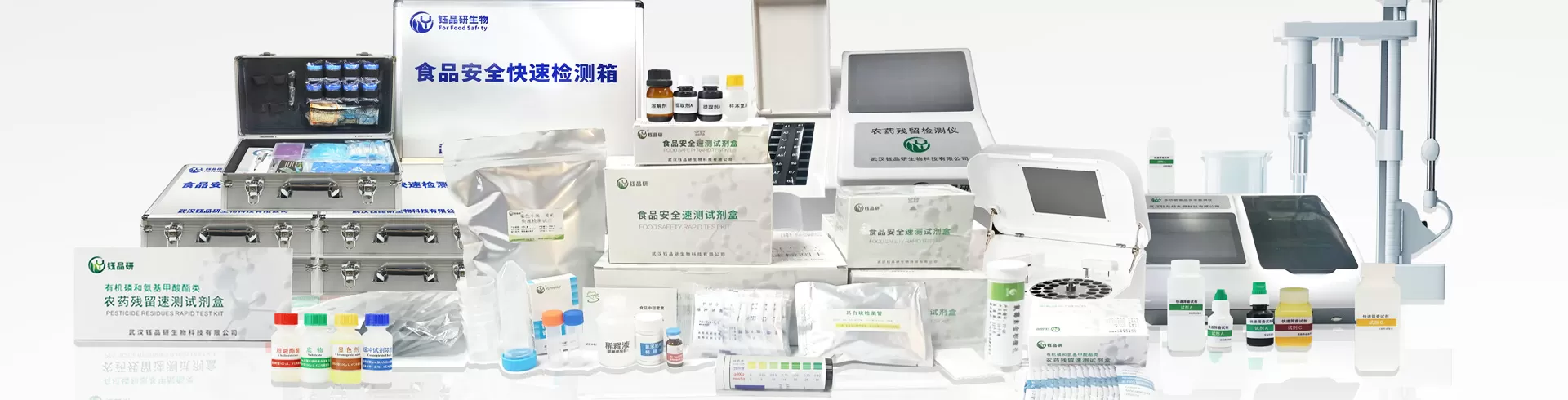
In order to effectively prevent and control AFB pollution in vegetable oils, Wuhan Yupinyan Bio has developed a food safety rapid detection reagent, which can quickly and accurately detect AFB content, help enterprises and regulatory authorities to detect excessive risks in a timely manner, and ensure the quality and safety of vegetable oils from the source.