简体中文
简体中文 Shqip
Shqip لالعربية
 Polski
 رسی
رسی Deutsch
 Русский
 Français
 한국어
한국어 Nederlands
 Čeština
 Bahasa Melayu
 Português
 日本語
日本語 Svenska
 Kiswahili
 ไทย
ไทย Türkçe
 繁体中文
繁体中文 Українська
 Español
 Italiano
 हिन्दी
 Bahasa Indonesia
 Tiếng Việt
 Filipino

Aflatoxin B is one of the common mycotoxins in food, mainly produced by Aspergillus flavus, parasitic aspergillus and other molds, which widely contaminate grains, nuts, grains and oils and fermented foods. Its toxicity is extremely strong, carcinogenic, long-term intake can significantly increase the risk of liver cancer, so our country's limit standards for aflatoxin B in food are extremely strict. However, even under strict supervision and production norms, excessive incidents still occur from time to time, and prevention and control are difficult. Behind this is the dual role of environmental and human factors.
First, environmental factors provide a natural breeding ground for the growth of aflatoxin B. The growth and reproduction of toxin-producing molds such as Aspergillus flavus is extremely sensitive to temperature and humidity, with a suitable temperature of 25-30 ° C and a relative humidity of more than 80%. In rainy and humid seasons or regions, with high air humidity and poor ventilation conditions, food raw materials and finished products are prone to mildew due to moisture accumulation. For example, if corn and peanuts in southern regions are improperly stored after harvest, excessive humidity will accelerate the growth of molds; some warehouses lack scientific temperature and humidity monitoring systems, resulting in long-term local environments under suitable growth conditions for molds, and the risk of toxin accumulation is significantly increased. In addition, the characteristics of different food substrates also affect the degree of toxin pollution. For example, nuts and grains rich in oil and protein, once moldy, toxins are easy to spread internally, increasing the difficulty of detection and control.
Secondly, there are often omissions in the prevention and control process of human factors. In the whole chain of food production and circulation, the operation of multiple links is not standardized or the management is not in place, which may lead to excessive toxins. On the production side, in order to reduce costs, some enterprises do not strictly check the acceptance of raw materials and fail to remove moldy raw materials in time; if the pretreatment processes such as cleaning and drying are not thorough during the processing process, the residual mold spores will continue to multiply and produce toxins. In the storage and transportation process, the goods are piled too tightly, poorly ventilated, or exposed to high temperature and high humidity for a long time, which will accelerate the growth of molds. The detection process is even more crucial. Traditional detection methods often take a long time (such as high-performance liquid chromatography, which takes hours or even days). Some enterprises omit detection due to the pursuit of efficiency, or the unskilled operation of testing equipment, the failure of reagents, etc., resulting in the inability to detect excessive standards in time, laying hidden dangers for toxin residues.
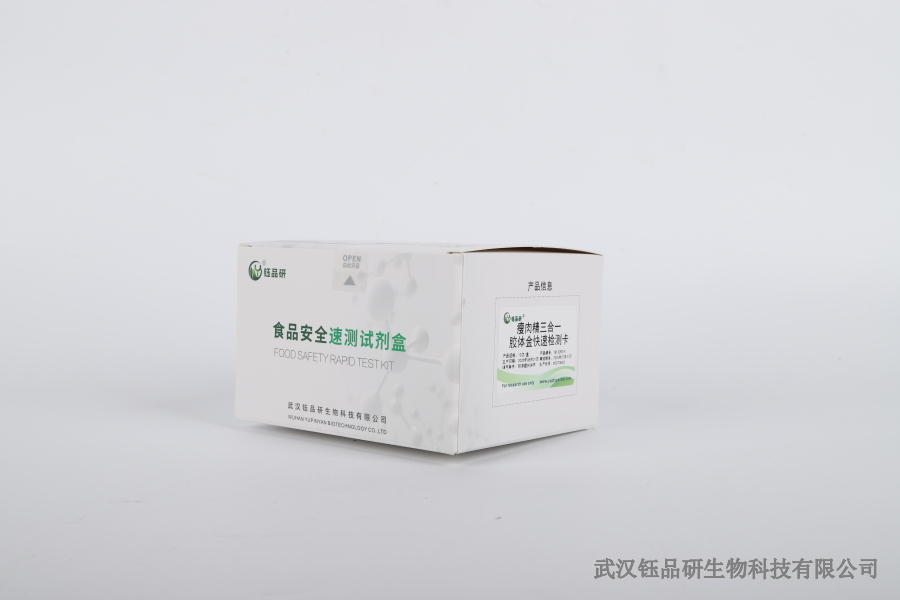
Faced with the dual challenges of environmental and human factors, it is crucial to build an accurate and efficient prevention and control system. Wuhan Yupinyan Bio focuses on the research and development and production of food safety rapid detection reagents. Relying on independent innovation technology, the Aflatoxin B rapid detection reagent launched can complete sample pre-processing and detection in a short time, providing instant data support for food companies and regulatory authorities. Through standardized testing processes, companies can identify pollution risks as early as possible, optimize raw material procurement and production management; regulatory authorities can use rapid screening results to accurately locate high-risk links, block toxins from the source, and effectively protect consumers' "safety on the tip of the tongue".