
 简体中文
简体中文 Shqip
Shqip لالعربية
 Polski
 رسی
رسی Deutsch
 Русский
 Français
 한국어
한국어 Nederlands
 Čeština
 Bahasa Melayu
 Português
 日本語
日本語 Svenska
 Kiswahili
 ไทย
ไทย Türkçe
 繁体中文
繁体中文 Українська
 Español
 Italiano
 हिन्दी
 Bahasa Indonesia
 Tiếng Việt
 Filipino
Oily Chinese herbal medicines are susceptible to mold contamination during storage and circulation because they are rich in oils and active ingredients, among which aflatoxin B is one of the common pollutants. As a traditional oily Chinese herbal medicine, the quality and safety issues of Phellodendron are widely concerned. This article will analyze the pollution risks, potential hazards and detection programs to provide reference for relevant practitioners.
Why are oily Chinese herbal medicines susceptible to aflatoxin contamination? Oily Chinese herbal medicines (such as Phellodendron, peach kernels, almonds, etc.) usually contain high fat and protein. These ingredients are easy to become a "hotbed" for mold growth under suitable temperature and humidity environments. Mold such as aflatus will produce aflatoxins during the growth process. Among them, B is the most toxic and has heat resistance, which is difficult to remove through conventional processing. Particularly the fine particles and high oil content of Cedar Seed, if the storage conditions are improper (e.g. humidity > 70%, temperature > 25 ℃), the risk of mold contamination is significantly increased.
Potential harm of aflatoxin B in Cedar Seed. Aflatoxin B is a class I carcinogen defined by the International Agency for Research on Cancer (IARC). It has strong toxicity to liver tissue. Long-term intake may lead to liver function damage and even induce liver cancer. Standards such as the "Chinese Pharmacopoeia" clearly stipulate the limit of aflatoxin B in Chinese medicinal materials. If the pollution in Cedar Seed exceeds the standard, it will not only affect the efficacy of the medicine, but also pose a threat to the health of the user. In recent years, there have been occasional reports of food safety incidents caused by mildew of Chinese medicinal materials, highlighting the necessity of testing.
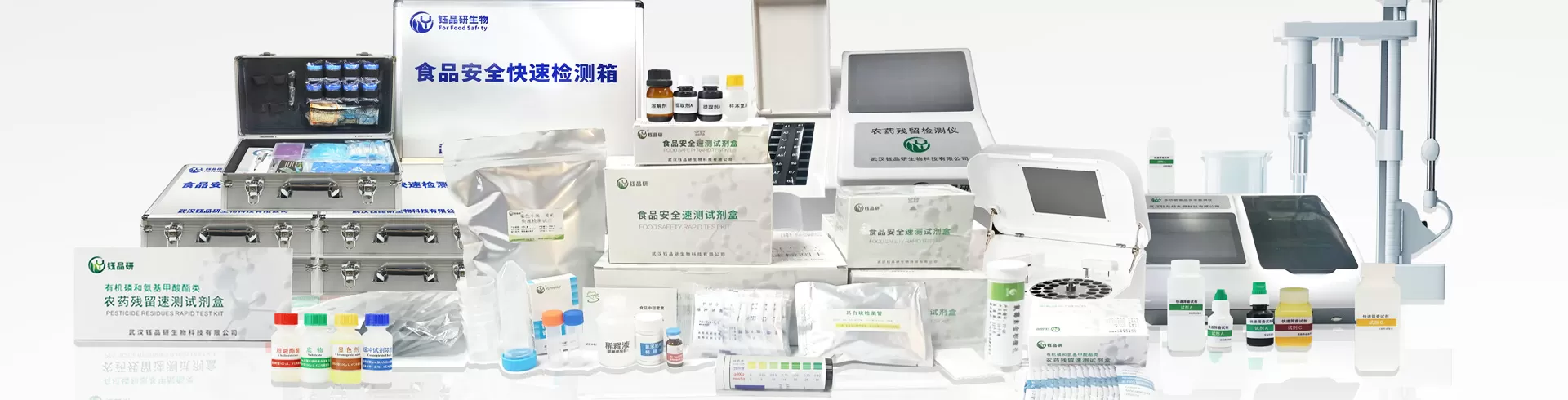
Scientific Detection Scheme: Application of Wuhan Yupinyan Biological Rapid Detection Reagent. In response to the detection needs of oily Chinese herbal medicines such as Baizi, the food safety rapid detection reagent developed by Wuhan Yupinyan Biological can effectively solve this problem. The reagent is based on immunochromatography technology, which is easy to operate and does not require complex instruments. It can be detected in a short time with only a small amount of samples. Through the binding reaction of specific antibodies and target toxins, it can quickly determine whether aflatoxin B exceeds the standard, providing a reliable basis for the acceptance of raw materials by enterprises, production quality control and sampling inspection by regulatory departments. Its detection results are accurate and can meet the quality screening needs of the whole process of Chinese herbal medicine production.
Strengthen risk prevention and control to ensure the quality and safety of Chinese herbal medicines. In addition to relying on detection methods, practitioners also need to pay attention to early prevention and control: first, optimize the storage environment, maintain dry and ventilated, and control temperature and humidity; second, establish a strict raw material acceptance system to detect oily Chinese herbal medicines such as Baiziren suspected of mildew in a timely manner. The application of Wuhan Yupinyan Biological Rapid Detection Reagents has built a "detection line" for the quality and safety of Chinese herbal medicines, and helped the healthy development of the industry.
The risk of aflatoxin pollution of oily Chinese herbal medicines cannot be ignored, especially common varieties such as Baiziren. Only through scientific testing and standardized management can we effectively reduce potential safety hazards and make Chinese herbal medicines truly a guarantee for protecting health. Wuhan Yupinyan Biological will continue to be committed to the innovation of food safety rapid detection technology to provide more reliable technical support for the industry.


