简体中文
简体中文 Shqip
Shqip لالعربية
 Polski
 رسی
رسی Deutsch
 Русский
 Français
 한국어
한국어 Nederlands
 Čeština
 Bahasa Melayu
 Português
 日本語
日本語 Svenska
 Kiswahili
 ไทย
ไทย Türkçe
 繁体中文
繁体中文 Українська
 Español
 Italiano
 हिन्दी
 Bahasa Indonesia
 Tiếng Việt
 Filipino
Aflatoxin B is a common pollutant in the process of feed storage, especially in hot and humid environments. It is highly toxic and stable. Once it exceeds the standard in the feed, it will bring multiple risks to animal husbandry production and food safety. In recent years, aflatoxin B in beef cattle concentrated feed has occurred from time to time, which not only affects the breeding efficiency, but also may trigger a chain reaction that endangers the safety of the entire industrial chain.
In a certain area, the concentrated feed purchased by beef cattle farms was detected due to excessive aflatoxin B. After the batch of feed was fed, the herd showed obvious symptoms such as decreased feed intake, slower growth rate, and reduced immunity. Some cattle even experienced acute poisoning reactions such as liver damage and vomiting. According to statistics, the average weight gain of cattle using this batch of feed was more than 30% lower than the normal level, and the mortality rate increased by 2-3 percentage points, which directly led to a significant increase in the economic losses of farmers.
The chain impact of aflatoxin B exceeding the standard on beef cattle breeding is far more than this. In the short term, the health of cattle is damaged, resulting in a decrease in the outflow rate, a prolonged breeding cycle, and an increase in feed waste rate; in the long run, if cattle eat contaminated feed and are slaughtered, aflatoxin B may be transferred to the human body through the food chain, increasing the risk of food poisoning. In addition, once the incident of exceeding the standard is exposed, it will not only affect the reputation of the farm, but also cause consumers to worry about beef safety, which in turn affects the market trust and economic benefits of the entire beef cattle industry chain.
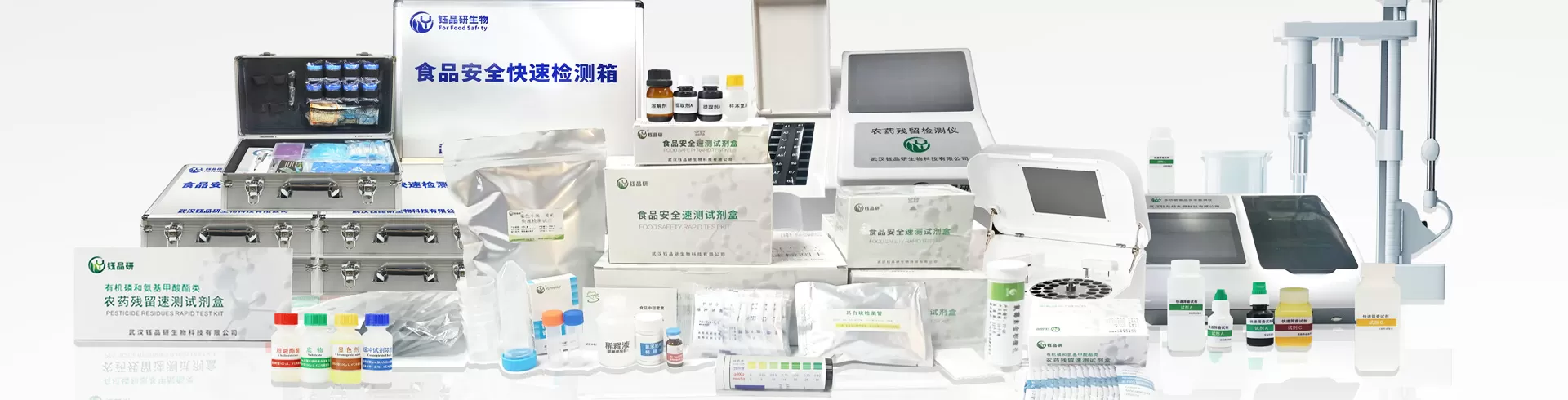
Faced with the problem of aflatoxin B exceeding the standard, timely detection and prevention and control are the key. Wuhan Yupinyan Bio focuses on the field of food safety rapid detection, and the developed aflatoxin B rapid detection reagent can be simplified by colloidal gold immunochromatography, and the detection time is shortened to 30 minutes. The detection results are highly accurate, which can effectively help feed manufacturers, farms and other entities to rapidly screen the content of aflatoxin B in feed, avoid the risk of exceeding the standard in advance, ensure the healthy growth of beef cattle and meat quality and safety, and reduce the occurrence of chain hazards from the source.