简体中文
简体中文 Shqip
Shqip لالعربية
 Polski
 رسی
رسی Deutsch
 Русский
 Français
 한국어
한국어 Nederlands
 Čeština
 Bahasa Melayu
 Português
 日本語
日本語 Svenska
 Kiswahili
 ไทย
ไทย Türkçe
 繁体中文
繁体中文 Українська
 Español
 Italiano
 हिन्दी
 Bahasa Indonesia
 Tiếng Việt
 Filipino
Nuts, as a much-loved healthy snack in the daily diet, are rich in nutrients such as protein and unsaturated fatty acids, and are favored by consumers. However, in recent years, questions about the safety of nuts have arisen from time to time, and the pollution risk of aflatoxin B is particularly worthy of attention. In particular, common nuts such as sunflower seeds and walnuts, if their storage or production is not properly controlled, are highly susceptible to aflatoxin B contamination, which poses a potential threat to human health.
Aflatoxin B: Hidden Risk in Nuts
Aflatoxin B is a highly toxic metabolite produced by molds such as aflatoxin, which is highly carcinogenic and mutagenic. Long-term intake may increase the risk of liver cancer and other diseases. As natural plant seeds, nuts are rich in oils and organic matter, which provide a suitable environment for mold growth, especially under high temperature and high humidity storage conditions, and are highly susceptible to aflatoxin B contamination. Studies have shown that aflatoxin B in moldy nuts has a high detection rate, and once produced, it is difficult to completely remove it by conventional treatment (such as washing, baking), so strict testing is essential.
Sunflower seeds and walnuts: why is the risk of pollution higher?
Sunflower seeds and walnuts have a high risk of pollution during planting, harvesting and storage. From the perspective of the growth environment, the shell of sunflower seeds is relatively thin and vulnerable to field mold infection; although the shell of walnuts is hard, the internal nuts may also be contaminated by mold if they come into contact with the external environment due to damage. In the storage process, the fat content of nuts is high. If the environmental humidity is greater than 65% and the temperature is higher than 25 ° C, mold will multiply rapidly and produce toxins. In addition, problems such as damaged packaging and long-term stacking during transportation may also accelerate the production of aflatoxin B, which further increases the safety hazard of nuts such as sunflower seeds and walnuts.
the key to nut testing: the detection of aflatoxin B The key
the detection of aflatoxin B in nuts is an important link to ensure food safety. At present, although traditional detection methods such as high performance liquid chromatography and gas chromatography can be accurately quantified, the equipment cost is high, the operation is complicated, and the time-consuming is long (usually several hours to several days), which is difficult to meet the needs of large-scale rapid screening. Therefore, rapid detection technology has become the key to solve this problem. Rapid detection reagents can complete the detection in a short time (usually 30 minutes to 2 hours) through the immune reaction of specific antibodies and toxins, which can not only quickly filter out positive samples, but also provide efficient support for the sampling inspection of enterprises and regulatory departments, reducing the possibility of risk nuts entering the market from the source.
Wuhan Yupinyan Bio: Rapid detection reagent helps nut safety screening
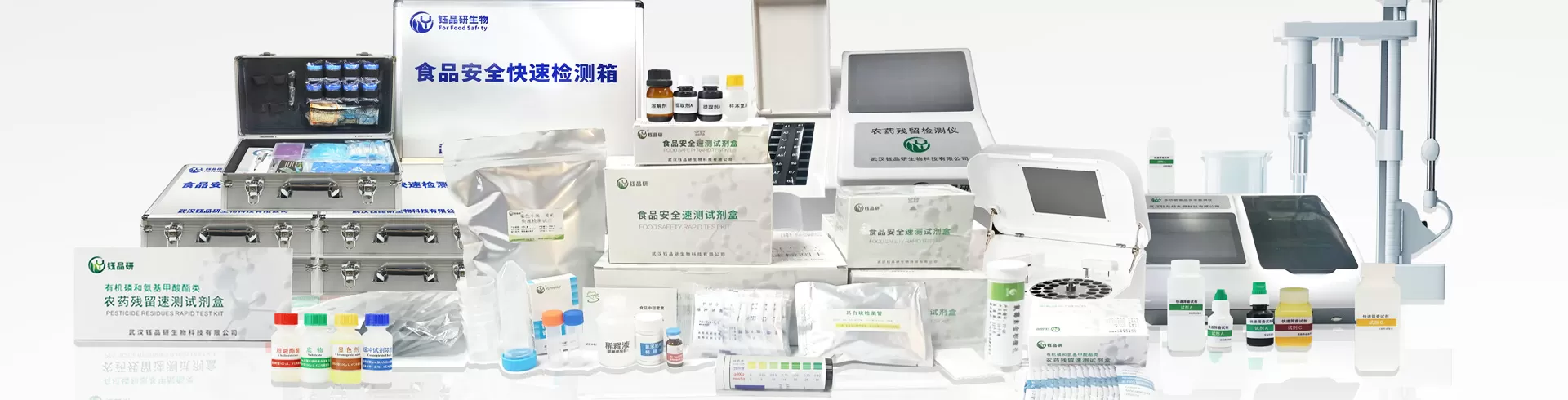
Wuhan Yupinyan Bio, as an enterprise focusing on the field of food safety rapid detection, has developed a rapid detection reagent for aflatoxin B with years of technology accumulation. The reagent adopts colloidal gold immunochromatography technology, which is easy to operate and does not require professional equipment. Just drop the sample into the detection card after pre-treatment, and the results can be read by the naked eye or supporting equipment. The detection sensitivity is high, which can meet the trace detection needs of aflatoxin B in nuts. Whether it is the rapid screening on the production line of the enterprise or the random inspection in the circulation link, the rapid detection reagents of Wuhan Yupinyan Bio can provide reliable and efficient solutions, build a solid line of defense for the safety of nuts, and ensure that every nut eaten by consumers is safe and worry-free.
In short, the risk of aflatoxin B in nuts cannot be ignored. The detection of common nuts such as sunflower seeds and walnuts needs to focus on the source of pollution and efficient detection methods. Wuhan Yupinyan Bio is willing to use professional rapid detection reagent products to help the industry improve the level of nut safety control and jointly protect the public's dietary health.