简体中文
简体中文 Shqip
Shqip لالعربية
 Polski
 رسی
رسی Deutsch
 Русский
 Français
 한국어
한국어 Nederlands
 Čeština
 Bahasa Melayu
 Português
 日本語
日本語 Svenska
 Kiswahili
 ไทย
ไทย Türkçe
 繁体中文
繁体中文 Українська
 Español
 Italiano
 हिन्दी
 Bahasa Indonesia
 Tiếng Việt
 Filipino
Aflatoxin B is one of the common mycotoxins in nature, especially in agricultural products such as peanuts and grains. When the storage environment humidity is high and the moisture content exceeds the standard, it is easily contaminated by molds such as aflatoxin B. This toxin has strong carcinogenicity, and long-term intake may increase the risk of liver cancer and other diseases. Therefore, it is crucial to control aflatoxin B in agricultural products such as peanuts and grains.
Aflatoxin B is extremely toxic and is listed as a Class I carcinogen by the World Health Organization (WHO). It has acute toxicity and chronic toxicity. Acute poisoning may cause vomiting, abdominal pain, liver damage and even death; chronic long-term intake may induce gene mutations and increase the chance of cancer, especially for children and people with weakened immunity. Therefore, strict testing of aflatoxin B in food raw materials and finished products such as peanuts and grains is a key link to ensure food safety.
The growth and reproduction of molds is closely related to water content. Peanuts, grains and other crops are rich in starch, protein and oil, and under suitable temperature and humidity conditions, molds such as aflatoxin will breed in large numbers. Among them, moisture content is the core factor - when the moisture content of peanuts exceeds 8% and grain exceeds 13% (for specific standards, please refer to "GB 2761-2017 National Standard for Food Safety, Limits of Mycotoxins in Food"), mold activity is significantly increased, and the risk of aflatoxin B is sharply increased. Therefore, controlling the moisture content of raw materials is the first line of defense to prevent aflatoxin pollution.
In order to effectively inhibit the growth of mold, it is key to reduce the moisture content of agricultural products in time. Practice has shown that if peanuts and grains can be dried within 24 hours after harvest, the risk of mildew can be greatly reduced. The reason is that: the newly harvested crops are hot and humid in the field. If they are not dried in time, microorganisms will multiply rapidly; and by natural drying or mechanical drying within 24 hours, the moisture is controlled within a safe range (such as 8% of peanuts and 12% of grains), which can significantly inhibit mold activity and avoid the production of aflatoxin B. This standard is not only applicable to farmers, but also recommended that processing enterprises strictly implement it in the purchase and storage of raw materials.
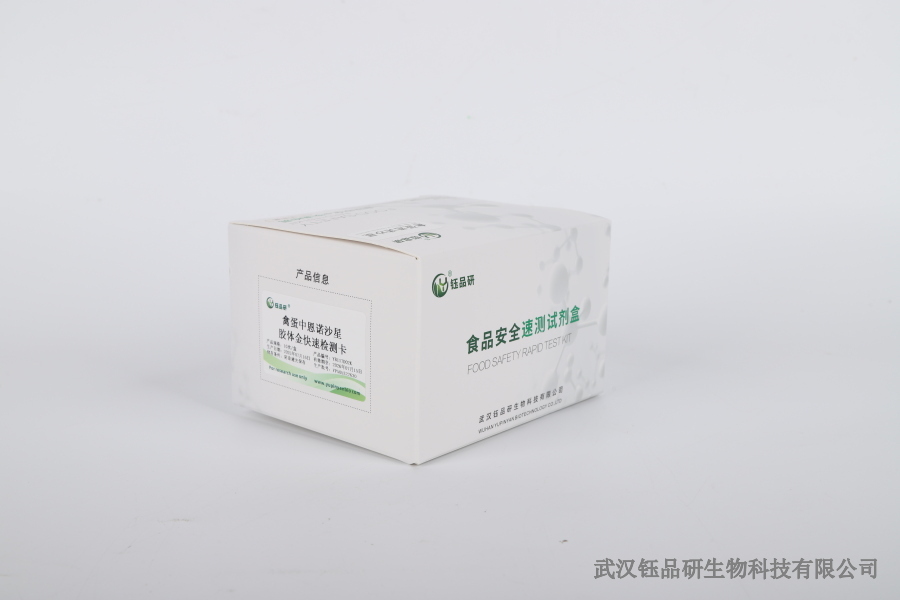
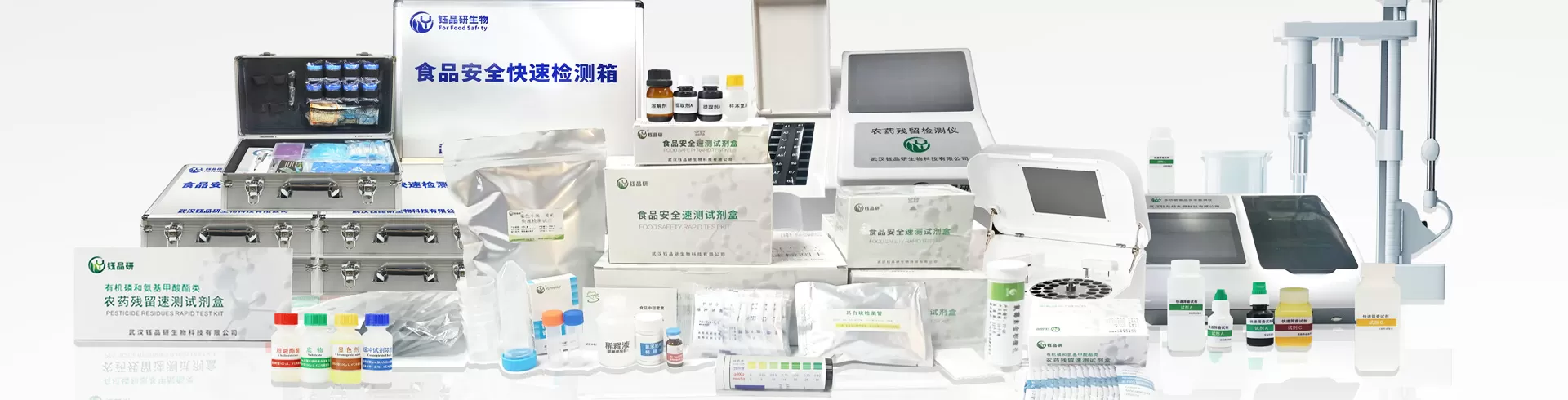
After drying, professional testing methods are still required to ensure that the aflatoxin B content of peanuts and grains meets safety standards. Wuhan Yupinyan Bio focuses on the research and development of food safety rapid detection reagents. The aflatoxin B rapid detection reagent launched by it can achieve qualitative or semi-quantitative detection of aflatoxin B in samples in a short time (usually 10-30 minutes) through colloidal gold immunochromatography and other technologies. The operation is simple and the results are accurate. Whether it is self-testing by farmers, sampling by buyers, or controlling the quality of raw materials by manufacturers, such reagents can be used to quickly screen the risk of exceeding the standard and build a strong detection line for food safety.
In short, the safety of peanuts, grains and other agricultural products cannot be separated from effective prevention and control of aflatoxin B, and timely drying and accurate detection within 24 hours are two core means. Wuhan Yupinyan Bio will continue to help industry safety with professional testing reagents, so that consumers can stay away from toxin pollution and protect the health on the tip of the tongue.