简体中文
简体中文 Shqip
Shqip لالعربية
 Polski
 رسی
رسی Deutsch
 Русский
 Français
 한국어
한국어 Nederlands
 Čeština
 Bahasa Melayu
 Português
 日本語
日本語 Svenska
 Kiswahili
 ไทย
ไทย Türkçe
 繁体中文
繁体中文 Українська
 Español
 Italiano
 हिन्दी
 Bahasa Indonesia
 Tiếng Việt
 Filipino
Aflatoxin B is a highly toxic mycotoxin that mainly contaminates agricultural products such as corn, peanuts, and rice and processed foods. It is produced by Aflatoxin and other molds under suitable temperature and humidity conditions, and long-term intake may increase the risk of liver cancer. It is one of the key pollutants in the field of food safety. As a key node in the circulation link, the temperature and humidity management of food storage directly affects the growth of molds and toxins. Whether the low temperature and low humidity environment can effectively prevent aflatoxin B has become a practical issue of concern to the industry.
the relationship between the growth of aflatoxin B and temperature and humidity
mold growth and toxin synthesis are extremely sensitive to environmental conditions. Studies have shown that Aspergillus flavus has the strongest metabolic activity at a temperature range of 25-35 ° C and a relative humidity of > 70%, and can rapidly produce aflatoxin B. When the ambient temperature drops below 15 ° C and the humidity is lower than 65%, the growth and reproduction rate of the mold will be significantly slowed down, and the toxin synthesis process will also be inhibited. However, it should be noted that low temperature and low humidity can only reduce the activity of the mold and the production rate of toxins, and cannot completely prevent the micrometabolism of the mold under extreme conditions. Therefore, comprehensive management should be combined with other prevention and control measures.
To achieve effective prevention and control of low temperature and low humidity, it is necessary to start from two aspects: hardware facilities and operating specifications. First of all, the storage environment needs to be equipped with precise temperature control and dehumidification equipment to ensure that the temperature is stable below 15 ° C and the relative humidity is controlled within 65%. For example, use an air-cooled refrigeration system to adjust the temperature, and use an industrial dehumidifier to reduce the moisture content in the air. At the same time, regularly calibrate the temperature and humidity monitoring equipment to avoid data errors. Secondly, the principle of "first in, first out" should be followed when stacking goods, and ventilation channels should be reserved to avoid local temperature and humidity abnormalities caused by dense stacking of goods. In addition, regularly check the sealing of storage facilities to prevent the intrusion of hot and humid air from the outside world and reduce the risk of mold breeding.
combine detection methods to build a strong food safety defense line
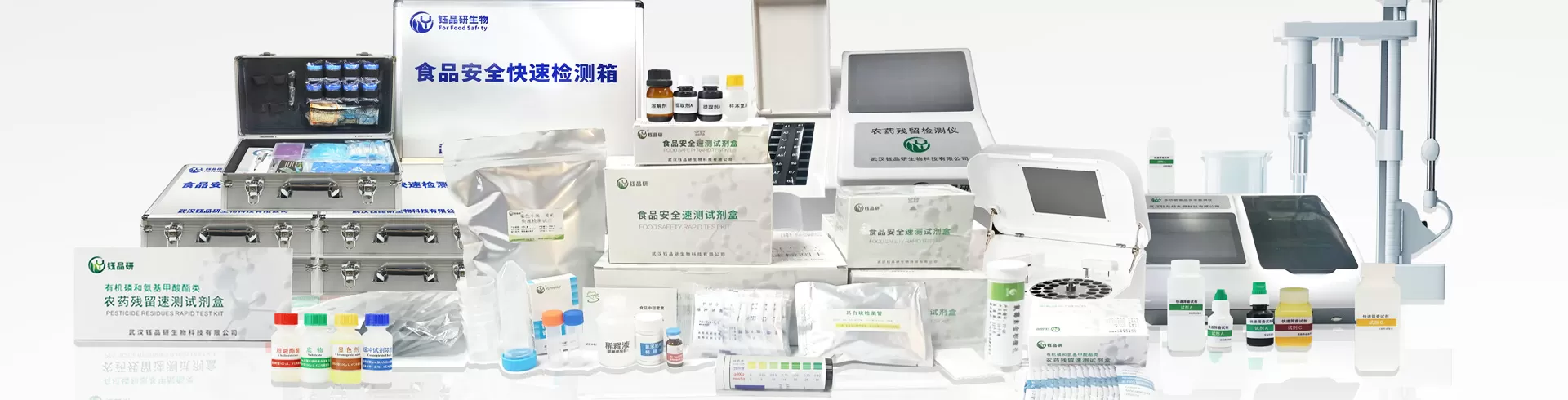
Even if the low temperature and low humidity storage management is strictly implemented, the effect Wuhan Yupinyan Bio focuses on the research and development of food safety rapid detection reagents. The aflatoxin B rapid detection reagent produced by it can complete qualitative or semi-quantitative screening of toxins in food samples in a short time through colloidal gold immunochromatography and other technologies, helping enterprises to detect safety hazards in time in production, storage and circulation. This rapid detection method is combined with low temperature and low humidity storage, which can form a dual guarantee of "prevention + monitoring" and effectively reduce the health risks caused by aflatoxin B.