
 简体中文
简体中文 Shqip
Shqip لالعربية
 Polski
 رسی
رسی Deutsch
 Русский
 Français
 한국어
한국어 Nederlands
 Čeština
 Bahasa Melayu
 Português
 日本語
日本語 Svenska
 Kiswahili
 ไทย
ไทย Türkçe
 繁体中文
繁体中文 Українська
 Español
 Italiano
 हिन्दी
 Bahasa Indonesia
 Tiếng Việt
 Filipino
Aflatoxin B is a strong carcinogen that widely exists in moldy grain and oil products, and peanuts and their products often become the "hardest hit area" of the toxin due to their unique growth characteristics and processing processes. When consumers buy peanut oil, peanut butter and other products, if aflatoxin B exceeds the standard in the test report, it not only affects product safety, but also may pose a potential threat to human health. Why are peanuts and products frequently detected for this toxin? Where is the risk hidden in the whole process from planting to oil extraction?
planting stage: risk seeds planted in soil and climate
peanuts are deep-rooted crops, and the growth cycle is more sensitive to soil environment and climate conditions. In the southern producing areas with high temperature and humidity, if there are already Aspergillus flavus spores in the soil and improper water management in the field (such as water accumulation after rain, irrigation water pollution), Aspergillus flavus is easy to breed on the roots or plant surfaces of peanuts. In addition, in the case of continuous rainy weather during the flowering period of peanuts, the development of fruit needles is blocked, resulting in fruit epidermis damage. At this time, mold can invade the seed kernels through wounds, and quickly multiply at suitable temperature and humidity and produce toxins. This "congenital pollution" seed, even after subsequent processing, may be difficult to completely remove the toxins formed in the seed kernels, which becomes a hidden danger for subsequent detection.
Harvesting and Storage: Humid environment accelerates the growth of mold
the operation of the harvest process is not standardized, which is the key driver of toxin accumulation If peanuts are harvested during the rainy season, the fruit is not dried in time to a safe moisture content (generally required to be 8%), or repeatedly rained during the drying process, it is easy to cause a large number of molds to multiply. The storage stage also contains hidden risks: if the warehouse is poorly ventilated and the humidity exceeds the standard (such as the rainy season environment in the south), peanut seeds will produce metabolites due to microbial activities, and the content of aflatoxin B~ will increase significantly with the extension of storage time. In addition, in order to save costs, some farmers mix moldy peanuts into normal batches for storage, further increasing the overall probability of pollution. These "toxin sources" that are not identified in time will eventually be transferred to the product through processing such as oil extraction and grinding.
oil processing: the key link of toxin residue
Although the oil pressing process can remove some impurities, the removal effect of aflatoxin B is limited. During the physical pressing process, the toxin in peanuts will precipitate into the crude oil with the oil; even after the refining process (such as deacidification, decolorization), due to the high temperature resistance and insoluble in water, some of the toxins will still remain in the finished oil. More notably, peanut cake meal, as a by-product of oil extraction, may re-contaminate food raw materials through the food chain if used directly as feed. In addition, some small workshops do not completely pretreat raw materials during processing, and fail to effectively separate mildew particles, which will also lead to the toxin content in the finished product far exceeding the national standard.
Wuhan Yupinyan Bio: Build a strong food safety defense line
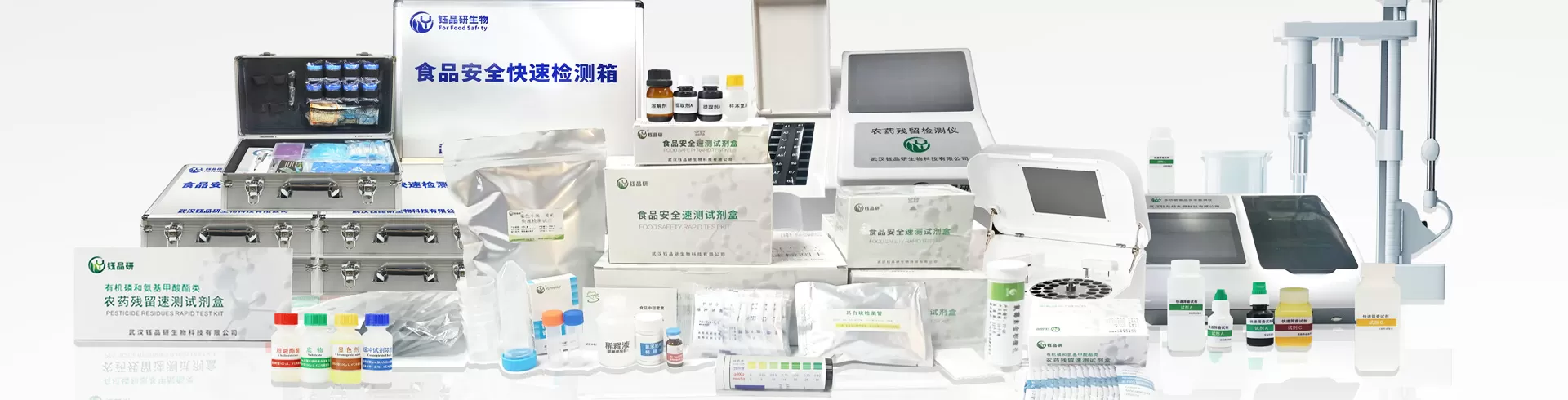
Faced with the latent risk of aflatoxin B in peanuts and products, timely and accurate detection is the core of ensuring food safety. Wuhan Yupinyan Bio has been deeply involved in the field of food safety testing for many years. The rapid detection reagent for aflatoxin B developed by colloidal gold immunochromatography and other technologies can complete sample screening within 15 minutes. The detection sensitivity reaches μg/kg level, which can effectively identify low-concentration toxin residues. The reagent is suitable for peanut raw materials, peanut oil, peanut butter and other substrates, providing an efficient solution for enterprise production self-inspection and sampling testing by regulatory authorities, and helping to control food safety risks from the source.
To sum up, the problem of excessive aflatoxin B in peanuts and products runs through the whole chain of planting, storage and processing. Only through scientific monitoring and strict control can toxin hazards be reduced. Wuhan Yupinyan Bio is willing to use professional detection technology as support to protect consumers "safety on the tip of the tongue".


