
 简体中文
简体中文 Shqip
Shqip لالعربية
 Polski
 رسی
رسی Deutsch
 Русский
 Français
 한국어
한국어 Nederlands
 Čeština
 Bahasa Melayu
 Português
 日本語
日本語 Svenska
 Kiswahili
 ไทย
ไทย Türkçe
 繁体中文
繁体中文 Українська
 Español
 Italiano
 हिन्दी
 Bahasa Indonesia
 Tiếng Việt
 Filipino
Recently, the problem of thiamethoxam exceeding the standard food has been detected in the circulation channels in many places, covering from supermarket shelves to campus canteen tables, which has aroused social attention to the safety of the whole food chain. As a broad-spectrum insecticide, thiamethoxam has been widely used in agricultural planting due to its high efficiency and low toxicity, but excessive residues can cause potential harm to the human nervous system, especially for children and people with weakened immunity.
In the whole chain from food production to consumption, problems have been exposed many times: some agricultural products in the planting process due to excessive use of thiamethoxam lead to excessive residues, which flow into the food production chain after being purchased by processing enterprises; if the raw materials of pre-packaged food sold in supermarkets are not strictly checked, excessive ingredients may also be detected; and the campus cafeteria, as the main dining place for students, the supervision of food procurement, storage and processing links may also become the end of the "transmission chain" of thiamethoxam residues.
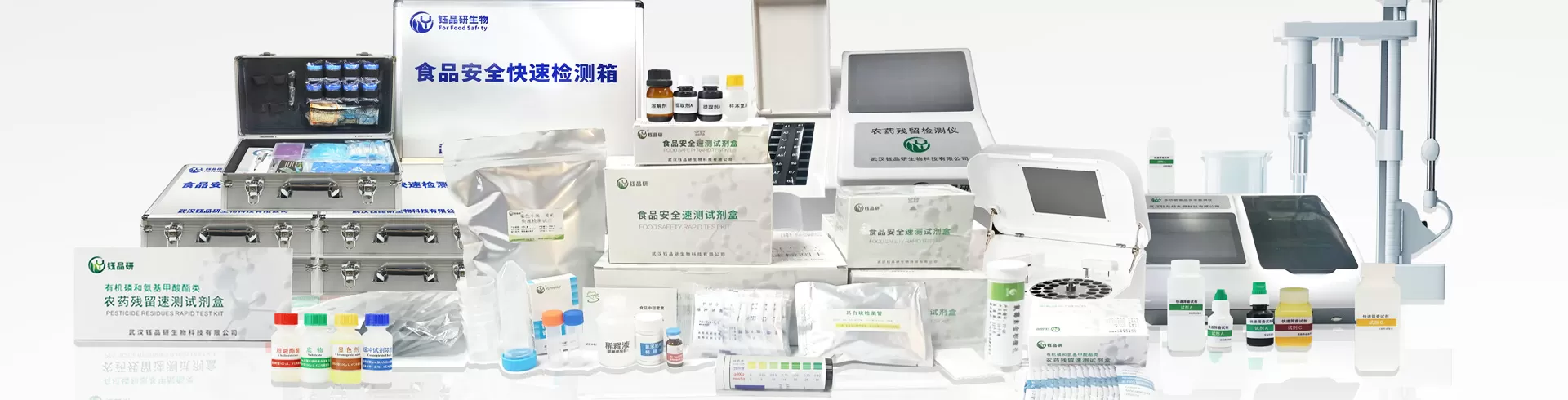
Faced with the risk of the whole chain, traditional detection methods are difficult to respond quickly to market changes due to cumbersome and time-consuming processes. As an enterprise focusing on the field of food safety rapid detection, Wuhan Yupinyan Bio has developed a series of rapid detection reagents, which can screen the residues of agricultural and veterinary drugs such as thiamethoxam in food within 15 minutes through colloidal gold immunochromatography and other technologies, helping regulatory authorities and enterprises to lock in the problem products at the first time and block the spread of risks.
It is worth noting that food supervision cannot rely solely on post-mortem detection, but also needs to establish a closed loop of "prevention-monitoring-disposal" in all aspects of production, circulation and consumption. At present, there is still a gap in the regulatory system from source planting to end point catering. Some small and medium-sized enterprises have insufficient self-inspection capabilities, and the regulatory model that relies on sampling inspection may also lead to missed inspections. In this regard, the industry calls on regulatory authorities to increase surprise inspections of key links, expand the frequency of sampling inspections of agricultural and veterinary drug residues such as thiamethoxam, and promote enterprises to introduce rapid detection technology to form a dual line of defense of "enterprise independent screening + government supervision and sampling inspection".
Food safety is related to people's livelihood and well-being, and every link from supermarket shelves to campus canteens cannot be relaxed. Wuhan Yupinyan Bio has always been committed to improving the efficiency of food safety testing through technological innovation, and helping to build a more complete food quality and safety system. In the future, only by strengthening the supervision responsibility of the whole chain and rallying enterprises, regulatory departments and social forces can we truly realize the prevention and control of the source of risks such as thiamethoxam, so that consumers can eat with peace of mind and rest assured.


