简体中文
简体中文 Shqip
Shqip لالعربية
 Polski
 رسی
رسی Deutsch
 Русский
 Français
 한국어
한국어 Nederlands
 Čeština
 Bahasa Melayu
 Português
 日本語
日本語 Svenska
 Kiswahili
 ไทย
ไทย Türkçe
 繁体中文
繁体中文 Українська
 Español
 Italiano
 हिन्दी
 Bahasa Indonesia
 Tiếng Việt
 Filipino
From an industry perspective, thiamethoxam exceeds the standard mainly due to three links: First, the drug use at the planting end is not standardized, and some farmers have insufficient awareness of the pesticide safety interval, and still use it illegally near the harvest period, resulting in the accumulation of pesticide residues exceeding the standard limit; Second, there are problems of overdose and over-range use during the application process. In some areas, in order to pursue short-term prevention and control effects, they arbitrarily increase the concentration of drug use or expand the scope of applicable crops, which exacerbates the risk of residues; Third, secondary pollution in some processing links, such as unqualified packaging materials during transportation and storage, resulting in the migration of pesticide residues into food through contact.
In response to such problems, the regulatory authorities continue to strengthen the monitoring and governance of the whole chain. The General Administration of Market Supervision and other departments have repeatedly emphasized that pesticide residues such as thiamethoxam are taken as key sampling items. Through the combination of "flight inspection + daily monitoring", risk investigation is carried out in the whole process of agricultural product planting, processing and circulation, and the source of excessive products is traced according to law and strictly disposed of. At the same time, the regulatory authorities also call on enterprises to implement the main responsibility, strengthen pesticide use training, promote green prevention and control technology, and reduce the risk of pesticide residues from the source.
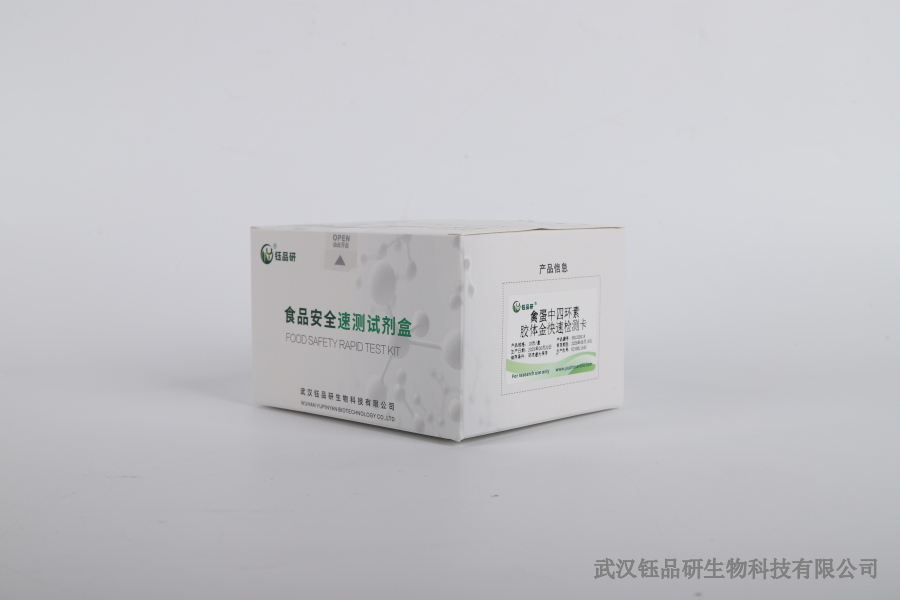
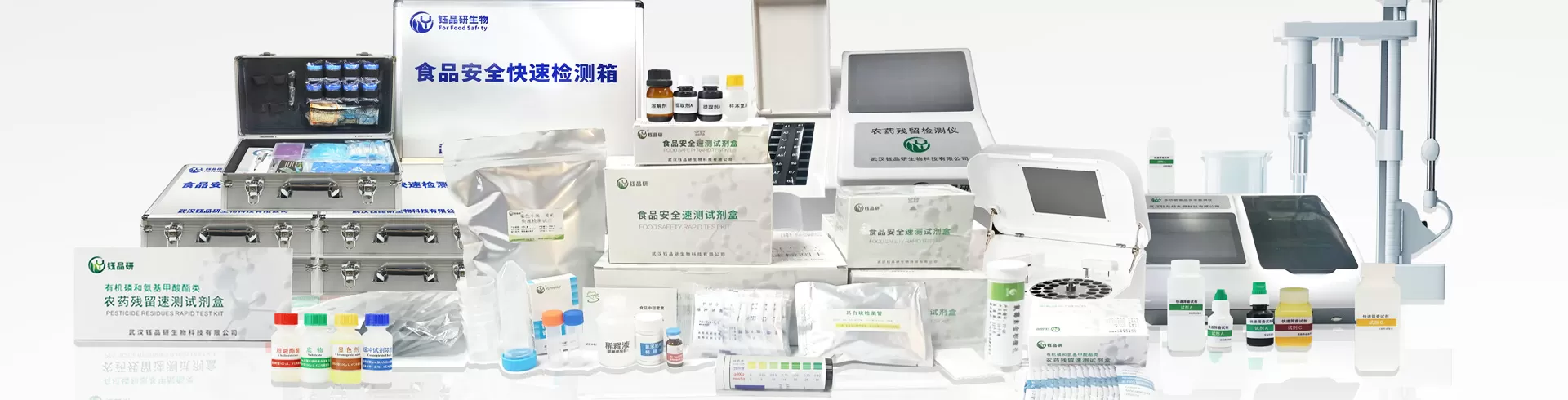
At the technical support level, rapid detection technology has become a key means for grass-roots supervision and enterprise self-inspection. Wuhan Yupinyan Bio, as a technology enterprise focusing on the field of rapid detection of food safety, has successfully launched rapid detection reagents for pesticide residues such as thiamethoxam with many years of The reagent adopts colloidal gold immunochromatography technology, the detection process only takes 10-15 minutes, the operation is simple and the results are intuitive, which can help enterprises and grass-roots supervision stations quickly screen the risk of agricultural residues exceeding the standard, and build a strong technical barrier for the food safety defense line.
In the future, with the continuous improvement of GB 2763 standards and the continuous increase of supervision, combined with the popularization and application of rapid detection technology, pesticide residue problems such as thiamethoxam will be more accurately prevented and controlled. Wuhan Yupinyan Bio will also continue to deepen the field of food safety testing, improve the detection efficiency and accuracy through technological innovation, and help build a safer food supply system.