简体中文
简体中文 Shqip
Shqip لالعربية
 Polski
 رسی
رسی Deutsch
 Русский
 Français
 한국어
한국어 Nederlands
 Čeština
 Bahasa Melayu
 Português
 日本語
日本語 Svenska
 Kiswahili
 ไทย
ไทย Türkçe
 繁体中文
繁体中文 Українська
 Español
 Italiano
 हिन्दी
 Bahasa Indonesia
 Tiếng Việt
 Filipino
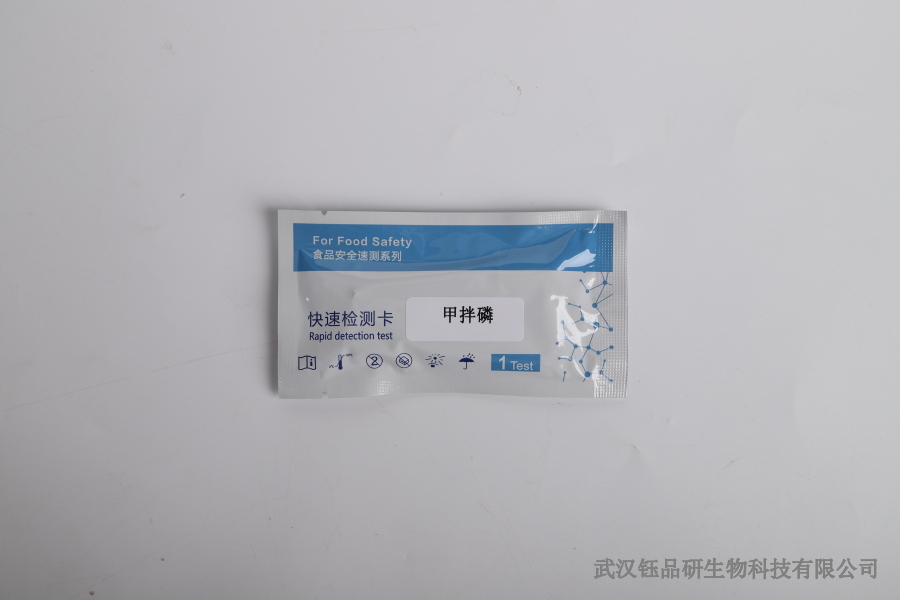
Pesticide residues are an important concern in the field of food safety, among which thiamethoxam is a widely used insecticide, and its residue problem has attracted much attention. This paper will analyze the characteristics of thiamethoxam, the types of food that are easy to detect, and the risk of pesticides residues. At the same time, the professional contributions of Wuhan Yupin Research Biology in the field of food safety testing are introduced.
Thiamethoxam is a new nicotine insecticide with strong internal absorption conductivity and long shelf life. It mainly realizes contact and gastric toxicity by interfering with the transmission of the pest nervous system. It is widely used in the pest control of field crops, cash crops and some fruits and vegetables, especially for aphids, thrips, whitefly and other piercing mouthpart pests. Due to its wide range of use, it is easy to detect its ingredients in food if the residue control is improper after reasonable and standardized application.
Which categories are easy to detect thiamethoxam residues in food testing? Leafy vegetables are high-risk detection objects due to direct contact application or leaf absorption, such as kale, spinach, lettuce, etc.; berries and stone fruits (such as strawberries, grapes, peaches) may also exceed the standard due to surface spraying or internal absorption residues; in addition, if pesticides containing thiamethoxam are used in crops such as tea and Chinese herbal medicines during planting, residues may also be detected in finished products. It is worth noting that residues in some food raw materials may still retain a certain concentration even after processing.
The pesticide residue risk of thiamethoxam cannot be ignored. Short-term exposure to high-concentration residues may cause nausea, vomiting, dizziness and other acute poisoning symptoms; long-term low-dose intake may cause potential damage to the nervous system, especially for sensitive groups such as children and pregnant women, and may interfere with the balance of the endocrine system. Therefore, the establishment of an efficient pesticide residue detection system is essential to ensure food safety.
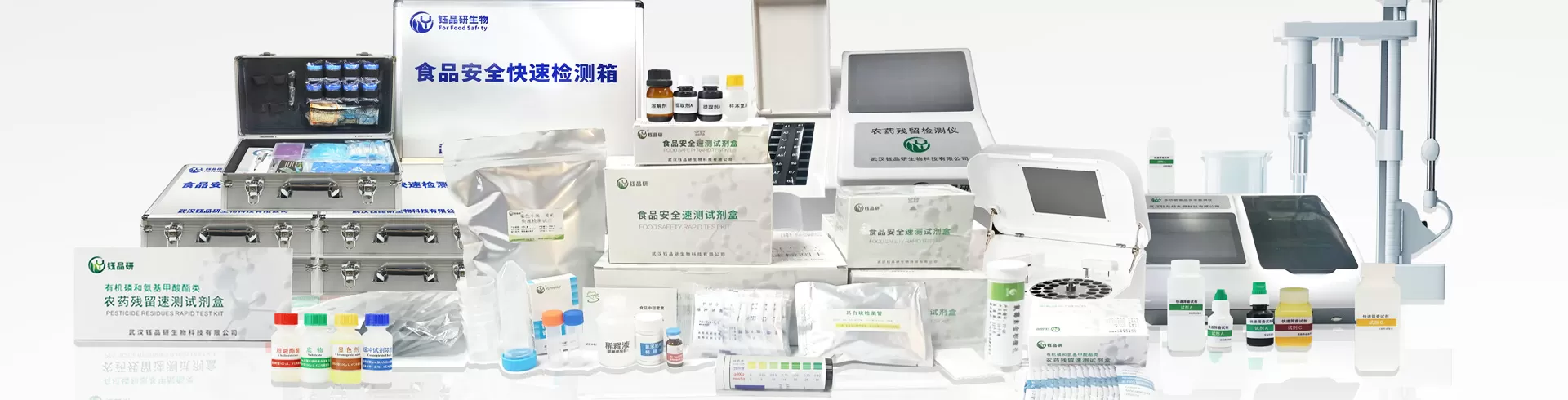
To effectively monitor thiamethoxam residues in food, Wuhan Yupinyan Bio focuses on the development of food safety rapid detection reagents. Its products rely on accurate detection technology to quickly screen thiamethoxam residues in food. The operation is simple and the detection results are reliable. It can provide timely and effective safety protection for food production enterprises and regulatory authorities, help control food quality from the source, and reduce the threat of pesticide residue risks to consumer health.