简体中文
简体中文 Shqip
Shqip لالعربية
 Polski
 رسی
رسی Deutsch
 Русский
 Français
 한국어
한국어 Nederlands
 Čeština
 Bahasa Melayu
 Português
 日本語
日本語 Svenska
 Kiswahili
 ไทย
ไทย Türkçe
 繁体中文
繁体中文 Українська
 Español
 Italiano
 हिन्दी
 Bahasa Indonesia
 Tiếng Việt
 Filipino
As a highly effective insecticide, cypermethrin is widely used in agricultural production and can effectively control a variety of pests. However, in recent years, some consumers have found that the test results of some categories of pesticide residues are high when purchasing vegetables and fruits, especially leafy vegetables, nightshade fruits and vegetables, and cypermethrin residues are often detected to exceed the standard. Behind this, in addition to the issue of usage, it is closely related to the characteristics and metabolic laws of the crops themselves.
From the perspective of crop characteristics, leafy vegetables such as spinach and cabbage have thin and dense leaves, large surface area, and pesticides are easy to adhere to the surface. Moreover, such crops usually have shallow root systems, short growth cycles, and low metabolic enzyme activities in the body, resulting in slow pesticide decomposition and more obvious residue accumulation. The peel of nightshade vegetables (such as tomatoes and eggplants) is thicker but the stratum corneum is not fully developed, and it is difficult to quickly metabolize through epidermal cells after pesticide penetration. In addition, some varieties have strong tolerance to cypermethrin, which further prolongs its residue time in the body.
The environmental factors and management habits during the planting process cannot be ignored. Under the continuous cropping mode, the residue of cypermethrin in the soil accumulates year by year, and the long-term exposure of crops to low-concentration pesticide environments can easily lead to the inhibition of metabolic pathways and the decline of degradation efficiency. In addition, some farmers may still apply pesticides in excess in the middle and late stages of crop growth in order to pursue short-term control effects. If a sufficient safe interval is not reserved before harvesting, the pesticides will not be decomposed in time, and eventually remain in fruits or leaves.
It is worth noting that the amount of pesticide residues depends not only on the application method, but also on the genetic characteristics of crop varieties. Some traditional varieties cultivated locally or cultivated for a long time may lack resistance genes to specific pesticides, resulting in weak recognition and decomposition ability of metabolic enzymes to cypermethrin, and relatively high residue risk.
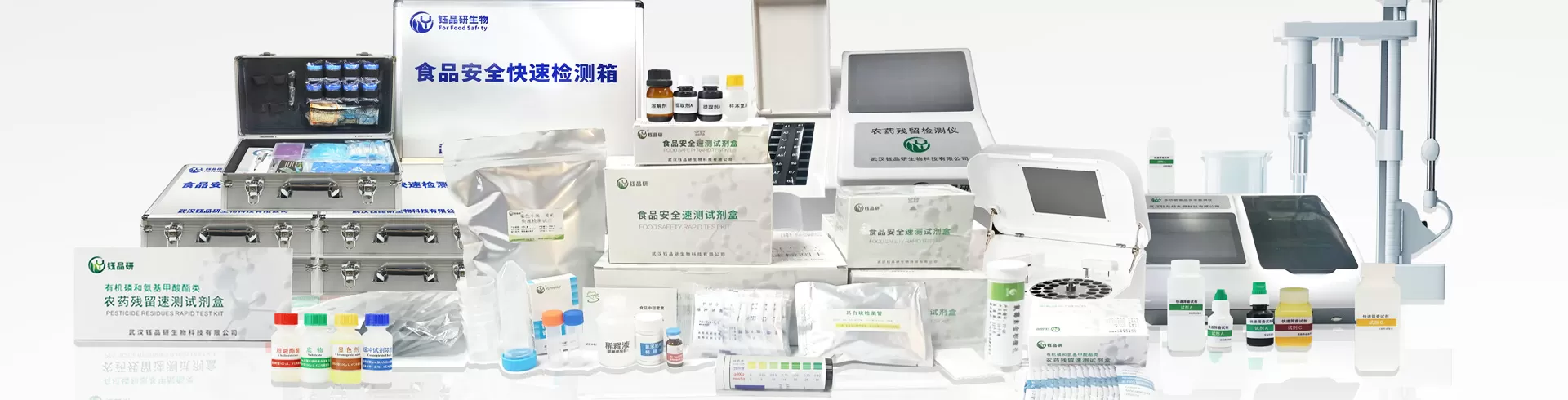
Faced with the food safety hazards caused by cypermethrin residues, the food safety rapid detection reagent produced by Wuhan Yupinyan Bio can effectively deal with it. The reagent can complete sample detection in a short time through the binding reaction of specific antibodies and pesticide molecules, providing a reliable detection plan for market supervision, grower self-inspection and consumer supervision, helping to reduce the risk of pesticide residues and protect the safety of the table.