简体中文
简体中文 Shqip
Shqip لالعربية
 Polski
 رسی
رسی Deutsch
 Русский
 Français
 한국어
한국어 Nederlands
 Čeština
 Bahasa Melayu
 Português
 日本語
日本語 Svenska
 Kiswahili
 ไทย
ไทย Türkçe
 繁体中文
繁体中文 Українська
 Español
 Italiano
 हिन्दी
 Bahasa Indonesia
 Tiếng Việt
 Filipino
With the large-scale development of the aquaculture industry, the problem of feed raw material pollution has gradually become prominent. Feed raw materials are susceptible to contamination such as mycotoxins, heavy metals and antibiotic residues during planting, storage, transportation, etc. If these pollutants are not controlled in a timely manner, they will accumulate in the body through animal consumption, not only affecting animal health, but also likely to be transmitted to the human body through the food chain, threatening food safety. Among them, chlortetracycline, as a broad-spectrum antibiotic, has been used in feed addition to promote growth or prevent diseases, but the residual problem caused by illegal use or raw material pollution has become an important hidden danger to the safety of animal-derived food.
feed raw material pollution: The hidden risk in animal breeding
the source of feed raw material pollution is complex, which may not only come from pesticide residues in the planting stage, soil heavy metals exceeding the standard, but also may produce toxins due to improper storage of mold, or introduce pollutants during processing. Taking chlortetracycline as an example, if the feed raw material itself is contaminated with waste containing chlortetracycline, or illegally added in the breeding process, it will lead to excessive chlortetracycline residues in animal products. After animals consume contaminated feed for a long time, chlortetracycline will accumulate in organs, muscles, internal organs and other tissues, which not only affects the growth performance of animals, but also may enter the human body through animal-derived foods such as eggs, milk, and meat, causing health risks such as allergic reactions and enhanced drug resistance.
Why has chlortetracycline residues become the focus of attention?
chlortetracycline is a tetracycline antibiotic, and its residue detection is an important link in animal food safety. According to relevant standards, the amount of chlortetracycline residues in animal-derived foods should be strictly controlled within a safe range. If the chlortetracycline residues in feed raw materials are not effectively detected and removed, it will directly lead to the accumulation of pollution in the subsequent breeding process, forming a risk chain of "pollution source - animal accumulation - human ingestion". Therefore, the detection of chlortetracycline residues from the link of feed raw materials has become a key step to cut off the risk chain and is the first line of defense to ensure the safety of animal-derived food.
control from the source: the necessity of chlortetracycline residue detection
Traditional detection methods rely on complex laboratory processes, which are time-consuming and costly, and are difficult to meet the needs of rapid screening in aquaculture enterprises Source detection requires batch and rapid pollution screening of feed raw materials, timely identification of high-risk raw materials, and avoidance of flowing into the breeding process. By carrying out the detection of chloramphenicol residues before the purchase and processing of feed raw materials, the risk of animal accumulation can be effectively reduced, the cost of follow-up testing and product recall can be fundamentally reduced, and the dual safety guarantee between the breeding end and the consumer end can be realized.
Wuhan Yupinyan Bio helps the source accurate detection
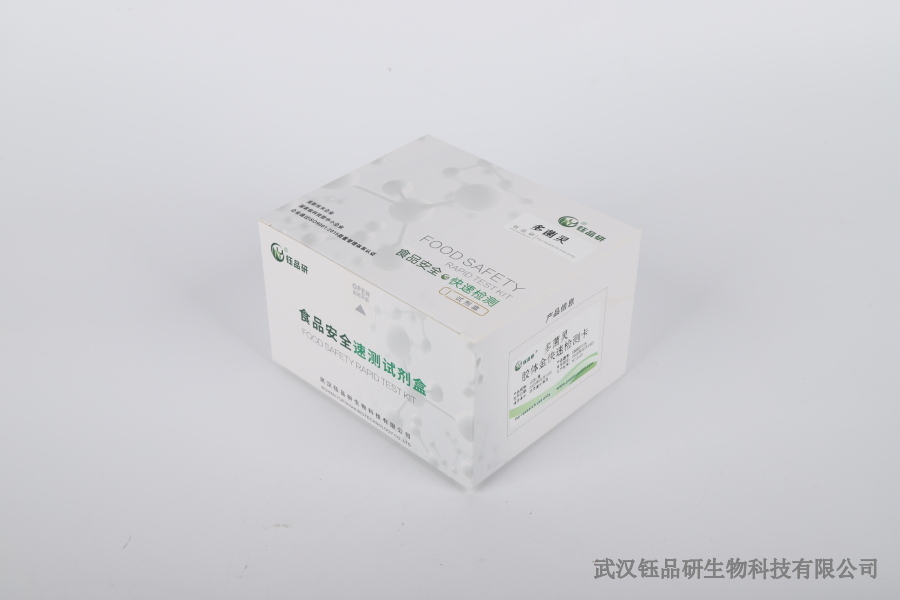
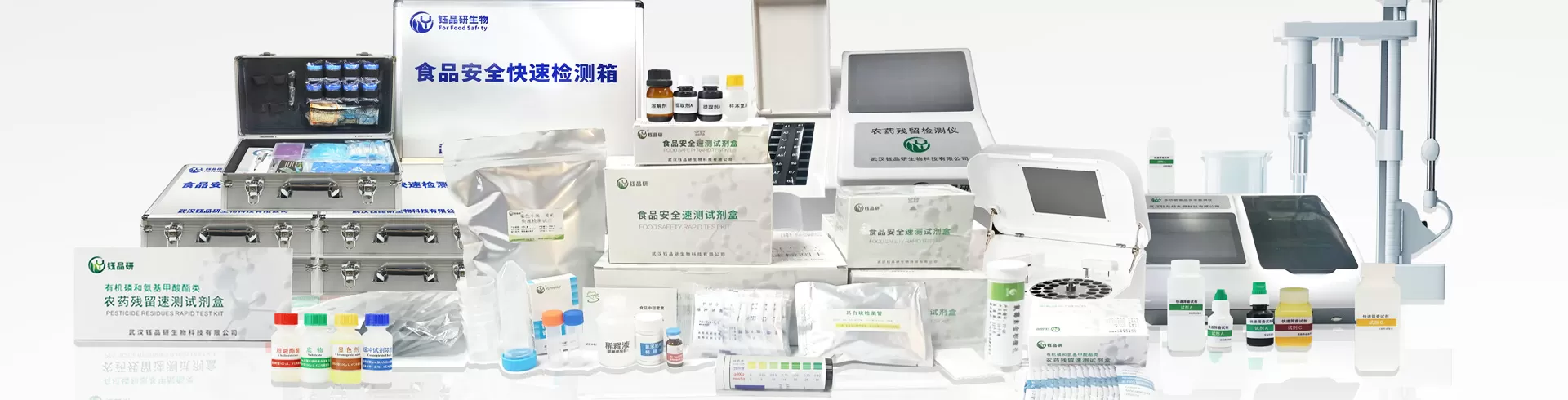
Wuhan Yupinyan Bio focuses on the field of food safety rapid detection. The food safety rapid detection reagent developed and produced by it provides a reliable solution for the detection of chloramphenicol residues in feed raw materials with the advantages of accuracy, efficiency and portability. The reagent can achieve rapid screening through simple operation, and can complete qualitative or semi-quantitative detection of chlortetracycline residues in the breeding raw materials, helping enterprises to identify contaminated raw materials in time and avoid unqualified feed from entering the production process. The reagent is based on specific antibodies and combined with rapid immunochromatography technology to greatly shorten the detection time. At the same time, it has high sensitivity and low interference to ensure accurate and reliable test results.
build a closed-loop safe breeding, protect the bottom line of food safety
the risk of animal accumulation caused by the pollution of feed raw materials, which is essentially a challenge to food safety from the source. Wuhan Yupinyan Bio's rapid detection reagent provides a practical solution for the industry through the closed-loop system of "source detection - risk elimination - safe breeding". Only by grasping feed raw materials, accurately detecting and strictly controlling pollution can we truly ensure the safety of animal products and let consumers rest assured to eat farmed products. At the moment when food safety is increasingly valued, the application of source detection and rapid screening technology will become an important support for promoting the healthy development of the aquaculture industry.