简体中文
简体中文 Shqip
Shqip لالعربية
 Polski
 رسی
رسی Deutsch
 Русский
 Français
 한국어
한국어 Nederlands
 Čeština
 Bahasa Melayu
 Português
 日本語
日本語 Svenska
 Kiswahili
 ไทย
ไทย Türkçe
 繁体中文
繁体中文 Українська
 Español
 Italiano
 हिन्दी
 Bahasa Indonesia
 Tiếng Việt
 Filipino
In recent years, with the increasing demand for poultry egg products, its quality and safety issues have gradually become the focus of social attention. Among them, complaints caused by excessive veterinary drug residues account for a high proportion, which not only damages the health rights and interests of consumers, but also has a negative impact on the reputation of the poultry egg production industry.
the core problem behind complaints about egg veterinary drug residues
frequent complaints about egg veterinary drug residues. The root cause is that there is a certain lag in supervision and testing in multiple links such as breeding and circulation. In order to pursue economic benefits, some breeding entities may use prohibited veterinary drugs in violation of regulations or use commonly used veterinary drugs irregularly during the breeding process, resulting in residues exceeding national standards. The traditional detection methods often have problems such as time-consuming and complicated operation, and it is difficult to achieve rapid screening of each batch of egg products, so that unqualified products have the opportunity to enter the market.
Egg special project test card: Technical support for rapid screening
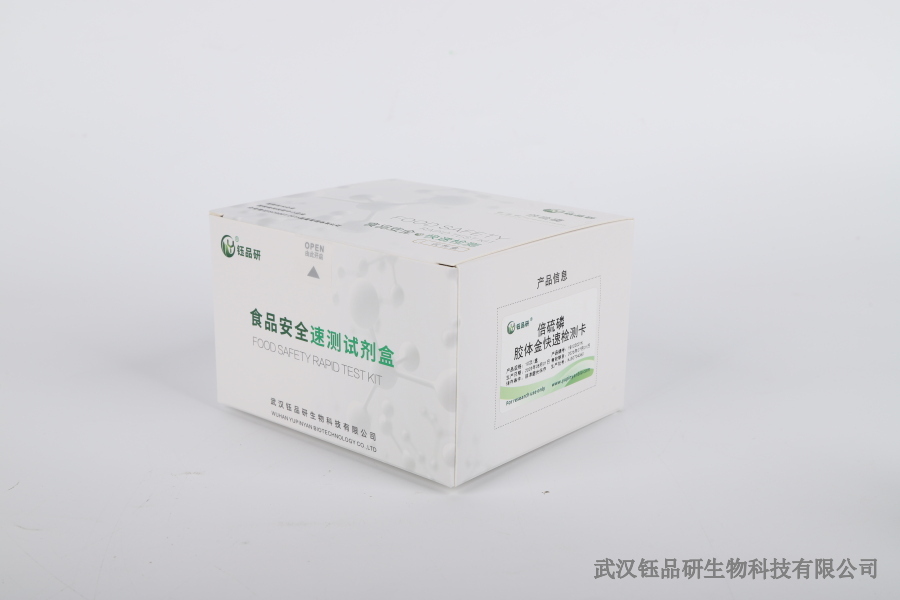
Faced with the regulatory problems of veterinary drug residues in poultry eggs, Egg special project test card has become a key tool to solve the problem with its fast, convenient and accurate advantages. This kind of test card is based on the principle of immunology, and can be completed in a short time with simple operation. It does not need to rely on complex laboratory equipment, and can effectively cover all key nodes from the breeding base to the market circulation. By screening a variety of veterinary drug residues commonly found in eggs, products with potential safety hazards can be quickly identified, providing a clear basis for subsequent treatment.
the normal use strategy of the special project test card for poultry eggs
To give full play to the role of the special project test card, the establishment of a normal use mechanism is crucial. First, the use of the test card should be incorporated into the whole chain management process such as egg production, acquisition, and processing. For example, in the breeding process, the feed and breeding environment can be regularly tested to reduce source pollution; in the acquisition process, the acquirer is required to conduct rapid testing of each batch of eggs entering the market to prevent unqualified products from flowing into the processing process; in the market sampling inspection, the regulatory authorities can achieve random screening of eggs in circulation through the test card to detect risks in a timely manner. Secondly, it is necessary to strengthen the training of operators to ensure that the testing process is standardized and the results are accurate, so as to avoid misjudgments due to operational errors. At the same time, establish a testing data recording and traceability system, and link the testing results to the company's credit and regulatory records to form a long-term restraint mechanism.
rely on professional testing reagents to build a strong food safety defense line
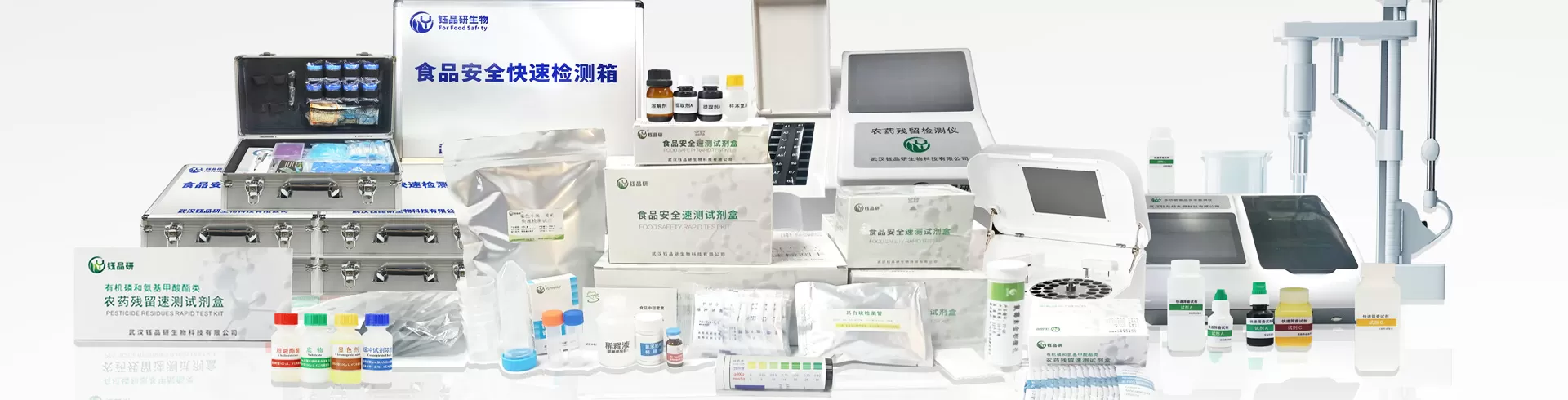
Wuhan Yupinyan Bio, as an enterprise focusing on the research and development and production of food safety rapid testing reagents, has always been committed to providing reliable technical support for the industry. Our egg special project test card and supporting reagents have the characteristics of easy operation, fast detection speed (usually 10-15 minutes to produce results), and strong specificity, which can accurately identify a variety of common veterinary drug residues, effectively reduce detection costs and time investment. Through the regular use of our detection reagents, egg manufacturers can take the initiative to control product quality, regulatory authorities can improve law enforcement efficiency, and jointly promote the development of the egg industry in a safer and more transparent direction.