简体中文
简体中文 Shqip
Shqip لالعربية
 Polski
 رسی
رسی Deutsch
 Русский
 Français
 한국어
한국어 Nederlands
 Čeština
 Bahasa Melayu
 Português
 日本語
日本語 Svenska
 Kiswahili
 ไทย
ไทย Türkçe
 繁体中文
繁体中文 Українська
 Español
 Italiano
 हिन्दी
 Bahasa Indonesia
 Tiếng Việt
 Filipino
With the rapid development of aquaculture and processing industries, aquatic products have become an important part of the public table. However, in recent years, the problem of hidden contaminants in aquatic products has gradually attracted attention. Among them, sodium pentachlorophenate, as a once widely used snail killer, its residual risk cannot be ignored. Due to the characteristics of strong fat solubility and slow metabolism, sodium pentachlorophenate is easy to accumulate in aquatic products for a long time. If it is not strictly tested and directly enters the market, it may pose a potential threat to consumer health. Therefore, the detection of hidden residues of sodium pentachlorophenate before aquatic products processing has become a key link in ensuring food safety.
The concealment of sodium pentachlorophenate is mainly reflected in its low concentration, which is not easy to be recognized by traditional senses, and may combine with other substances to form difficult-to-decompose derivatives during processing, which makes it difficult for conventional detection methods to capture. Studies have shown that long-term intake of aquatic products containing sodium pentachlorophenate residues may cause endocrine disorders, liver and kidney damage and other health problems, and even carcinogenic risks. This characteristic makes the early detection and timely treatment of its residues a priority for food companies and regulatory authorities.
must check items before aquatic product processing: The key point of sodium pentachlorophenate residue detection
the detection of sodium pentachlorophenate residues before aquatic product processing, it is necessary to formulate a scientific detection plan based on the characteristics of raw materials and processing procedures. From the perspective of source control, water disinfectants and feed additives used in the breeding process may become potential sources of sodium pentachlorophenate, so strict screening must be carried out during the acceptance of raw materials. During the production and processing process, if the equipment is not cleaned thoroughly or in contact with other containers containing drugs, it may also lead to secondary pollution, so work in progress and finished product testing are equally indispensable.
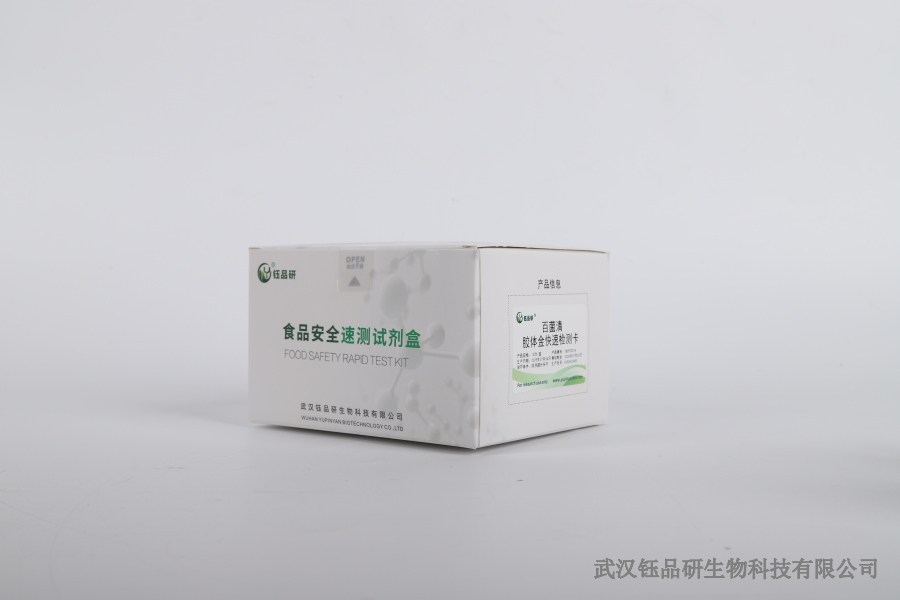
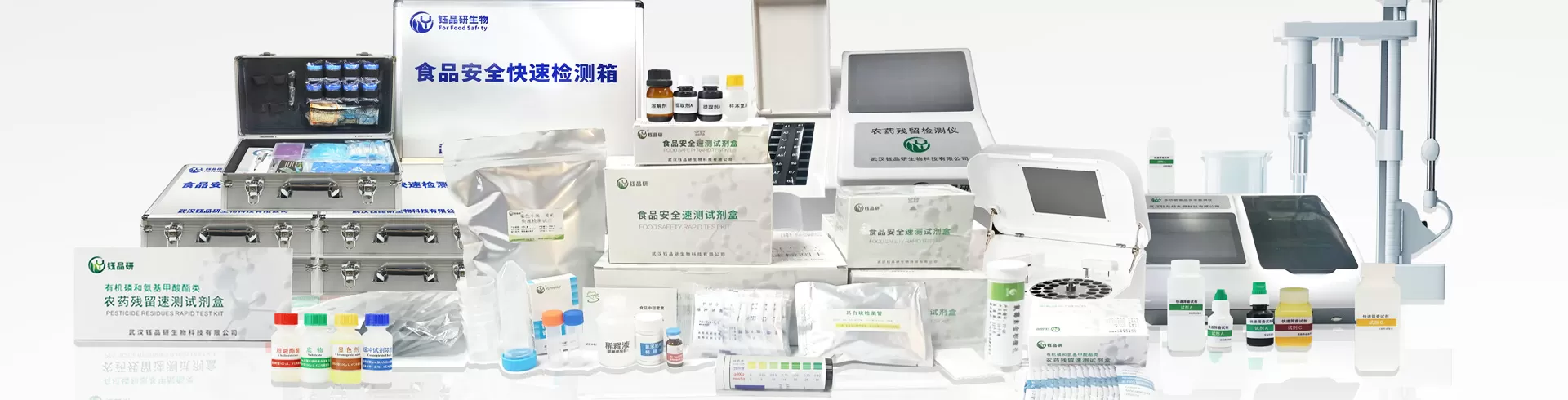
For the choice of detection methods, traditional laboratory testing is accurate but time-consuming, making it difficult to meet the needs of enterprises for quick decision-making. The food safety rapid detection reagent developed by Wuhan Yupinyan Bio has become the preferred tool for many aquatic processing enterprises by virtue of its advantages of simple operation, short detection cycle and high sensitivity. Through this reagent, sodium pentachlorophenate residue screening can be quickly completed on site or production line. If the test results show positive, further laboratory methods need to be used to confirm to avoid misjudgment or missed detection.
Treatment measures after sodium pentachlorophenate residue is found
When the residue of sodium pentachlorophenate is found to exceed the standard before the processing of aquatic products, the enterprise needs to start the emergency treatment process immediately. First, the suspected product should be isolated and sealed to prevent it from flowing into the next link; then joint professional institutions to conduct review and testing to clarify the residue amount and source, and if necessary, trace the raw material quality and production records of upstream suppliers. For products that have entered the market, the recall procedure needs to be started in time, and consumers should be informed of the risk through public channels to avoid expanding the harm.
From the perspective of prevention, enterprises should establish a whole-process prevention and control system: first, strengthen supplier management and require the provision of raw material safety test reports; second, regularly clean and verify the processing equipment and environment to prevent cross-contamination; third, staff training to enhance the awareness of identification and prevention and control of hidden contaminants. At the same time, continue to use Wuhan Yupinyan Biological's rapid detection reagents for normal sampling to control the risk of residues in the embryonic stage.
In conclusion, the detection and treatment of hidden residues of sodium pentachlorophenate is an important line of defense to ensure food safety in the processing of aquatic products. Wuhan Yupinyan Bio will continue to take technological innovation as the core to provide more efficient and accurate detection solutions for food companies, and help build a safety net from the source to the table, so that consumers can eat with confidence and peace of mind.