简体中文
简体中文 Shqip
Shqip لالعربية
 Polski
 رسی
رسی Deutsch
 Русский
 Français
 한국어
한국어 Nederlands
 Čeština
 Bahasa Melayu
 Português
 日本語
日本語 Svenska
 Kiswahili
 ไทย
ไทย Türkçe
 繁体中文
繁体中文 Українська
 Español
 Italiano
 हिन्दी
 Bahasa Indonesia
 Tiếng Việt
 Filipino
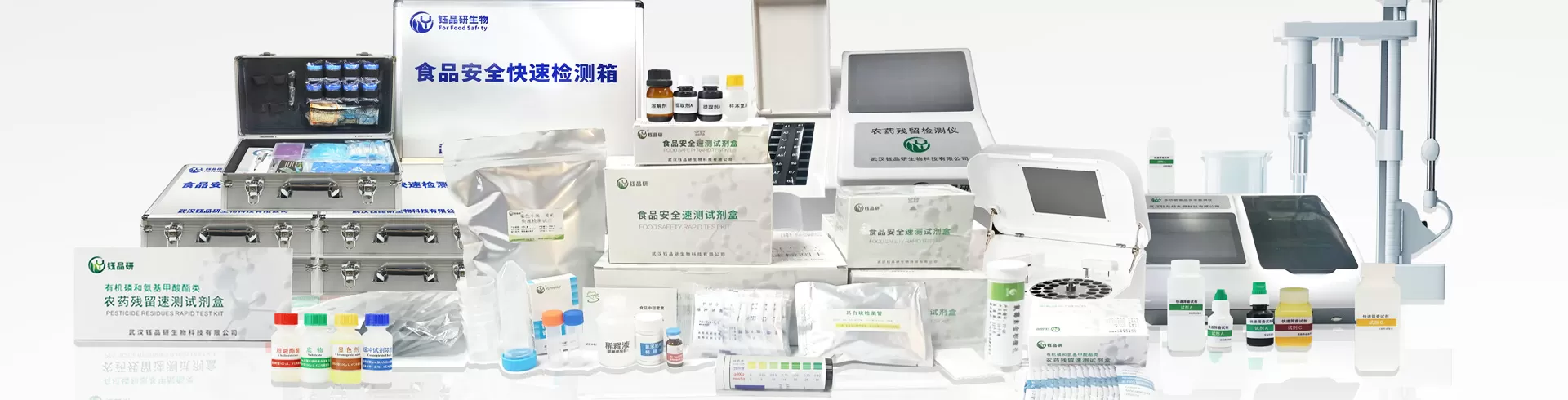
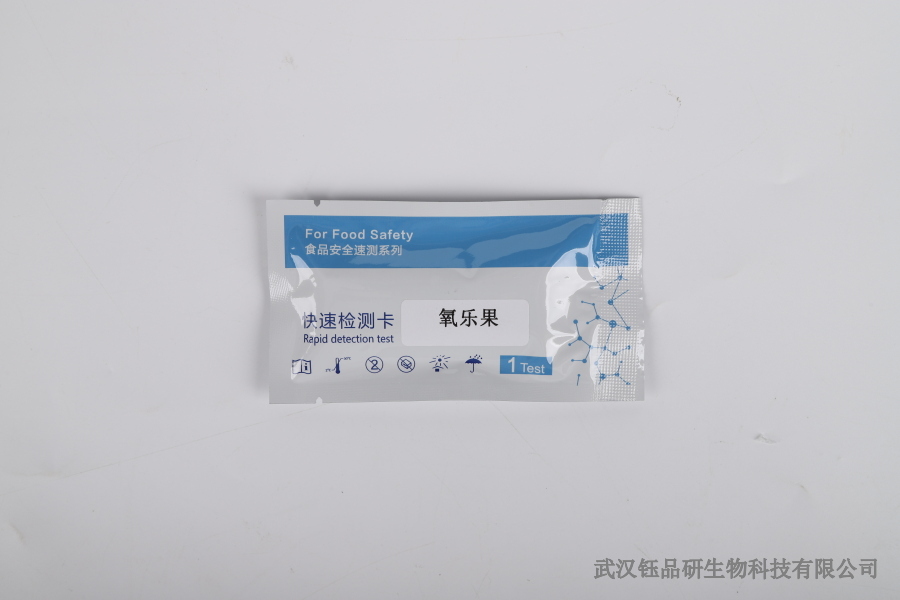
With the large-scale development of the aquaculture industry, sulfonamides, as commonly used antimicrobials, play an important role in preventing animal diseases, but the problem of controlling the withdrawal period has always plagued practitioners. Drug residues may not only endanger the health of consumers, but also lead to the rejection of aquaculture products, which affects the reputation of the industry. Wuhan Yupinyan Bio focuses on the field of rapid food safety detection. The detection reagents it has developed can help farmers accurately control the key aspects of self-inspection before the slaughter, and effectively solve the pain points of withdrawal period management.
sulfonamide drug withdrawal period control industry pain points
the current breeding scene, sulfonamide drug withdrawal period control difficulties are mainly reflected in three aspects: First, different animal species (such as pigs, poultry, cattle), different breeding stages (pups, fattening period) and different drug dosage forms (injections, mixed feeding agents) corresponding to the withdrawal period standards are different, some farmers are difficult to fully grasp; second, fluctuations in the breeding cycle (such as fattening time extension or early release) may lead to insufficient actual withdrawal time and increased risk of drug residues; third, the traditional laboratory testing process is cumbersome, it takes several days from sampling to results, and farmers cannot adjust the slaughter plan in time. These problems directly threaten the safety of animal-derived foods, and a more efficient self-test program is urgently needed.
the necessity and time node of self-test before slaughter
self-test before slaughter is a key means to avoid the risk of drug residues, which can not only ensure that the product meets food safety standards, but also a necessary measure for breeding entities to fulfill their responsibilities. Time node control needs to be combined with the rules of drug withdrawal period and the characteristics of drug metabolism: It is generally recommended to start self-test 3-5 days before slaughter. At this time, the drug residue is in the end of metabolism, and the test results can truly reflect whether it meets the standard; if the breeding cycle is long or the drug half-life is long, the test can be started 1-2 days in advance. For example, after a batch of broilers use long-acting sulfonamides, the withdrawal period needs to reach 5 days. Farmers should collect muscle or visceral samples for self-test on the 4th day to ensure that the residue after stopping the drug is lower than the national standard.
efficient self-test method: Relying on the application of rapid detection reagents
the rapid detection reagent of sulfonamides developed by Wuhan Yupinyan Bio provides farmers with a solution that is easy to operate and accurate in results. The reagent adopts colloidal gold immunochromatography technology, which can complete the detection in only 15-30 minutes without professional laboratory equipment. When using, take animal tissue samples and grind them, add extracts, drop the sample liquid into the test card, and observe the color development results to determine whether they contain sulfonamides. Compared with traditional testing, its advantage is that on-site rapid screening, farmers can decide whether to delay the slaughter or adjust the medication plan according to the test results, to avoid the passive risk caused by the long detection period.
treatment and breeding management optimization after self-inspection
If the self-test finds that the drug residue exceeds the standard, the slaughter should be stopped immediately and the relevant animals should be isolated, and the listing will be arranged after the re-test is qualified; if the successive batches exceed the standard, it is necessary to check whether the breeding process has problems such as excessive dosage of medication, irregular implementation of the withdrawal period, and adjust the drug type or breeding cycle if necessary. Through the accumulation of regular self-test data, farmers can optimize the medication plan, gradually shorten the window period of drug residue risk, and realize the management upgrade from "passive waiting for detection" to "active risk prevention".
In short, to solve the problem of controlling the withdrawal period of sulfonamides, the key is to integrate the self-test before release into the daily breeding management process. With its high efficiency and ease of use, Wuhan Yupinyan's rapid detection reagents are becoming a reliable tool for many farms to avoid the risk of drug residues, and promote the development of the breeding industry in a safer and compliant direction.