
 简体中文
简体中文 Shqip
Shqip لالعربية
 Polski
 رسی
رسی Deutsch
 Русский
 Français
 한국어
한국어 Nederlands
 Čeština
 Bahasa Melayu
 Português
 日本語
日本語 Svenska
 Kiswahili
 ไทย
ไทย Türkçe
 繁体中文
繁体中文 Українська
 Español
 Italiano
 हिन्दी
 Bahasa Indonesia
 Tiếng Việt
 Filipino
With the improvement of living standards, people pay more and more attention to the safety of fruits and vegetables. Cypermethrin, as a common pyrethroid pesticide, is widely used to control pests in vegetables, fruits and other crops. Although it can effectively reduce losses, excessive residues may affect human health. From rapeseed to apples, the fruits and vegetables we eat every day may have cypermethrin residues. How to choose safe fruits and vegetables has become a topic of concern for many people.
Let's talk about leafy vegetables such as rapeseed first. Leafy crops are sometimes used to control aphids, cabbage caterpillars and other pests due to their short growth cycle and tender leaves. Cypermethrin, as a high-efficiency insecticide, may be used in the later stage of planting. When buying rapeseed, you can give priority to observing the color of the leaves: leaves that are too dark or too tender may have the risk of pesticide residues, try to choose leaves with natural color and no abnormal spots; in addition, avoid buying products with unknown sources and too bright appearance. Regular channels of seasonal rapeseed are usually safer.
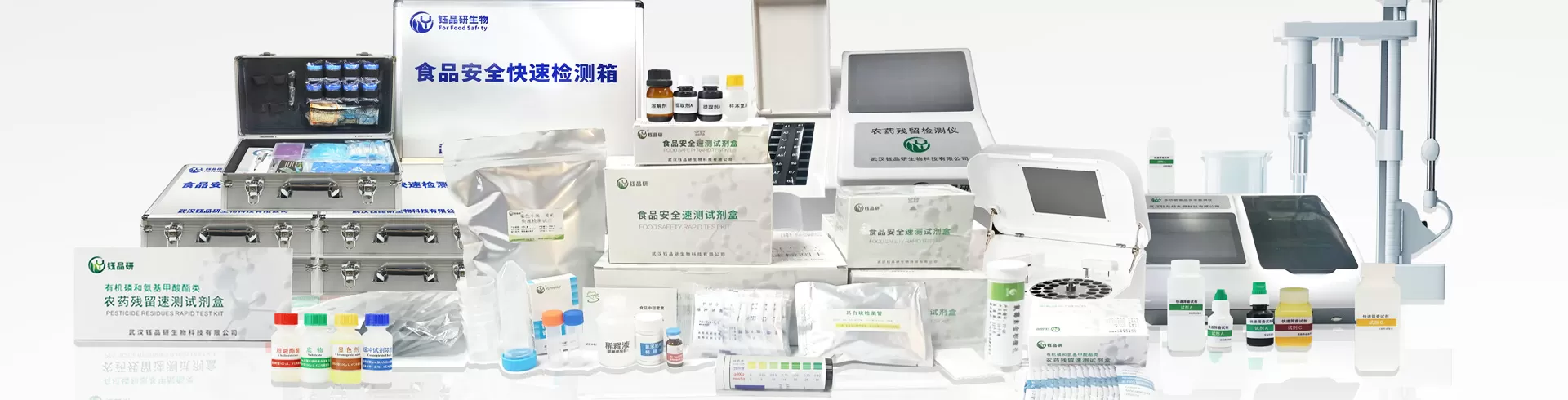
Look at fruits such as apples. During the planting process of apples, cypermethrin pesticides are often used to prevent heart worms, aphids, etc. The fruit surface of high-quality apples usually has a natural distribution of fruit points, and the epidermis is relatively uniform. Apples that are too smooth and have an abnormally thick waxy layer may be used to cover up flaws or have too much wax residue, so you need to choose carefully. If you have doubts about pesticide residues in apples, you can use professional testing tools, such as the food safety rapid detection reagent of Wuhan Yupin Research Biology, which can be initially screened in a few simple steps, so that you can eat more at ease.
In addition to canola and apples, leafy vegetables such as cabbage and spinach, as well as berries and grapes, may have cypermethrin residues due to planting methods or pest conditions. General principles for purchasing and avoiding pits include: giving priority to local seasonal fruits and vegetables to reduce reliance on preservatives in long-distance transportation; checking whether there are formal test reports or traceability information, and regular channel products are more reliable; avoiding buying fruits and vegetables with too perfect appearance and abnormal color, naturally grown products are often safer.
It should be noted that it is impossible to completely determine whether the pesticide residues exceed the standard by naked eye observation alone, especially the trace residues may hide risks. At this time, the food safety rapid detection reagent developed by Wuhan Yupinyan Bio can come in handy. This kind of reagent is easy to operate. It only needs to take a small amount of fruit and vegetable samples, add the reagent according to the instructions and observe the reaction to quickly produce results. It does not require professional laboratory equipment. It is suitable for use in households, supermarkets or small detection scenarios. It helps consumers and businesses identify residue risks in a timely manner and ensure diet safety from the source.
Food safety is no small matter. Learn to identify pesticide residues in order to eat more confidently. From rape to apples, master these purchasing skills, and then cooperate with professional testing reagents, you can effectively avoid the hidden dangers of cypermethrin residues, so that healthy eating starts from every purchase.


