简体中文
简体中文 Shqip
Shqip لالعربية
 Polski
 رسی
رسی Deutsch
 Русский
 Français
 한국어
한국어 Nederlands
 Čeština
 Bahasa Melayu
 Português
 日本語
日本語 Svenska
 Kiswahili
 ไทย
ไทย Türkçe
 繁体中文
繁体中文 Українська
 Español
 Italiano
 हिन्दी
 Bahasa Indonesia
 Tiếng Việt
 Filipino
As people's attention to food safety continues to increase, the issue of pesticide residues has become the focus of public attention. Among them, chives and grapes, as common ingredients in daily diet, are often mentioned to have cypermethrin residues, which worries many consumers. So, why are these two ingredients prone to cypermethrin residues? How can we read the pesticide residue test report to determine whether the ingredients are safe?
cypermethrin is a broad-spectrum pyrethroid insecticide, which has contact and stomach toxicity effects and can effectively control a variety of fruit and vegetable pests. During the planting process of chives, due to its special growth environment (such as moist soil that is prone to breeding pests such as chives and maggots), and some growers may choose to use cypermethrin pesticides for pest control in order to increase yield; while grapes, as berry fruits, have thin epidermis and rich juice, and are vulnerable to pests such as leafhoppers and thrips during the growth cycle. Some planting links may use cypermethrin to reduce the impact of pests. However, as long as the use of pesticides meets national standards and strictly abides by the safety interval, the residue will be controlled within the safe range under normal circumstances.
In the face of the pesticide residue test report, we can start with the following key information. First look at the testing standards, our country has clear regulations on the maximum residue limit of pesticides in food, such as "National Food Safety Standard, Maximum Residue Limits of Pesticides in Food" (GB 2763), which clarifies the maximum residue limit value of cypermethrin in chives and grapes (such as cypermethrin residue limit in chives is 0.2mg/kg, grapes are 0.05mg/kg, etc.). Second look at the test results: if the report shows "negative", it usually indicates that it has not been detected or the residue is lower than the detection limit; if it shows "positive", you need to pay attention to whether the specific value exceeds the standard limit value. If the value is within the limit range, it can be regarded as qualified.
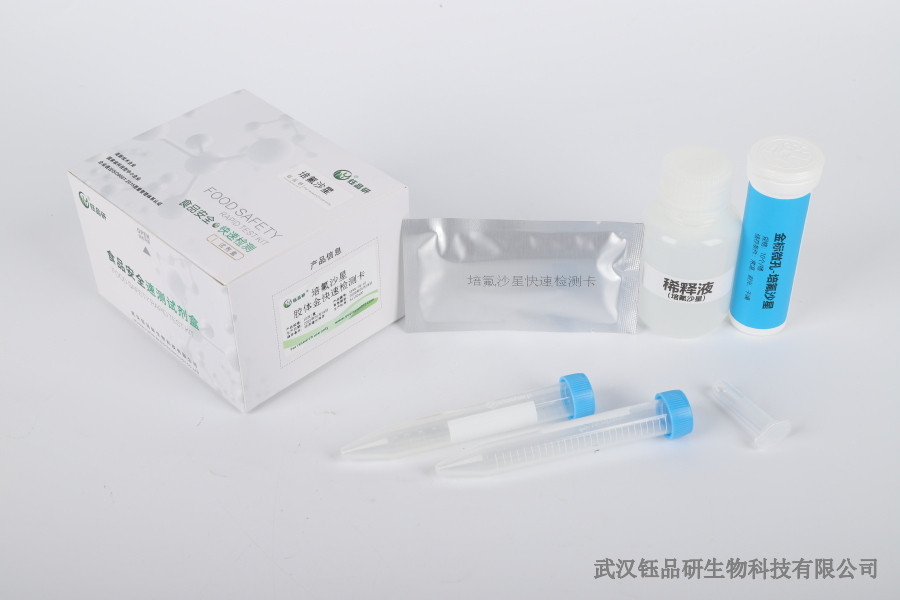
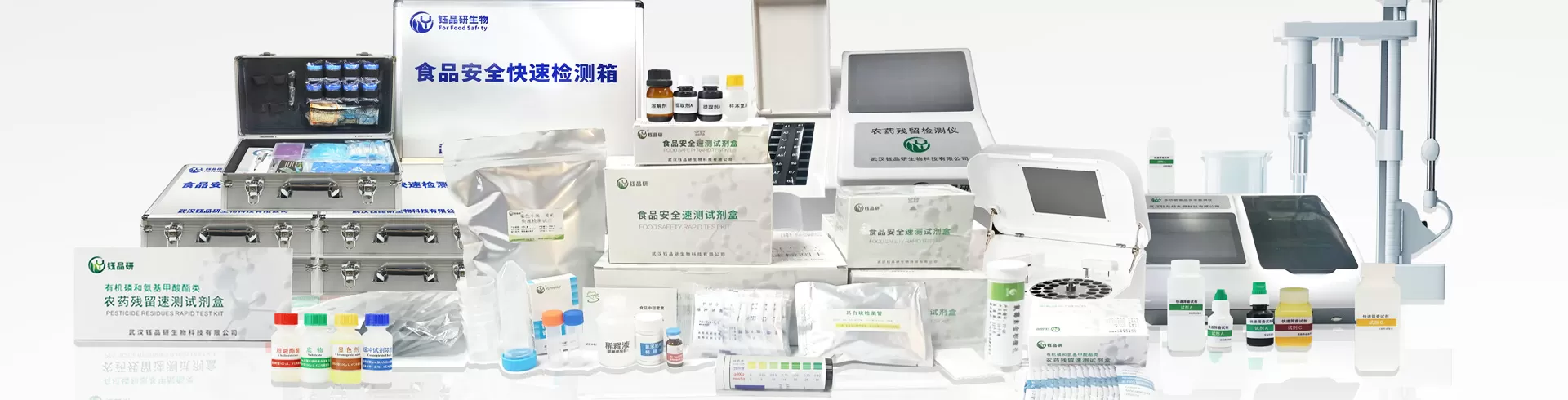
Wuhan Yupinyan Bio focuses on the research and development and production of food safety rapid detection reagents. Our reagents can help users complete the rapid screening of cypermethrin and other pesticide residues in a short time. Whether it is enterprise self-inspection, market supervision sampling, or consumers' preliminary judgment before purchase, efficient and convenient detection can be achieved through our detection reagents. The rapid detection reagents are simple to operate and can directly obtain preliminary results without professional laboratory conditions, providing timely support for food safety control.
In short, understanding the common ingredients of cypermethrin residues and the interpretation methods of pesticide residue reports can help us judge diet safety more scientifically. Wuhan Yupinyan Bio is willing to use professional detection technology to help consumers, enterprises and regulatory authorities build a food safety defense line, so that every ingredient can withstand inspection.