
 简体中文
简体中文 Shqip
Shqip لالعربية
 Polski
 رسی
رسی Deutsch
 Русский
 Français
 한국어
한국어 Nederlands
 Čeština
 Bahasa Melayu
 Português
 日本語
日本語 Svenska
 Kiswahili
 ไทย
ไทย Türkçe
 繁体中文
繁体中文 Українська
 Español
 Italiano
 हिन्दी
 Bahasa Indonesia
 Tiếng Việt
 Filipino
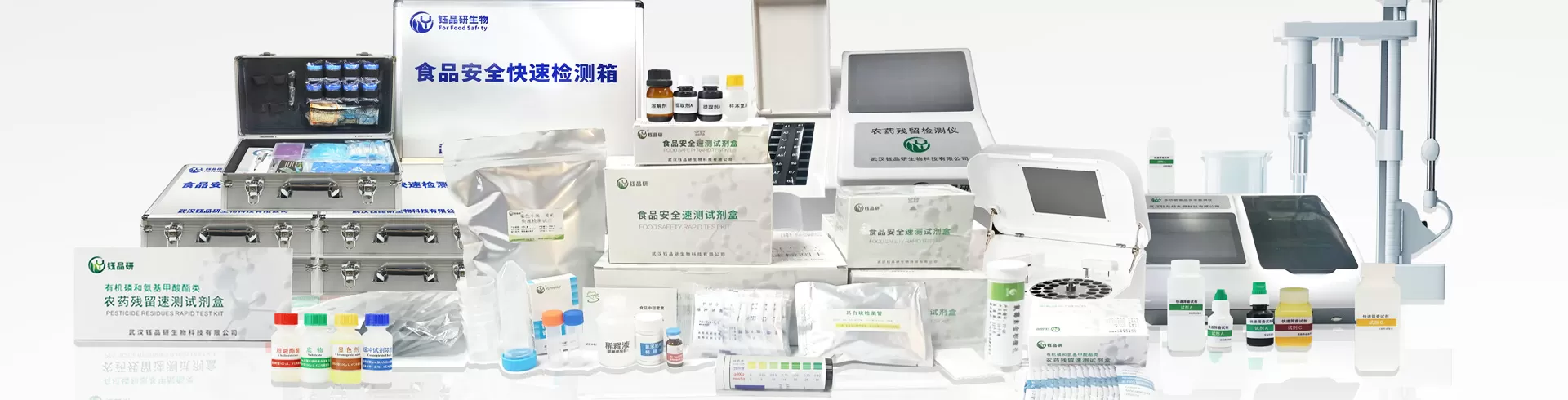
With the increasing supervision of the food industry, small food factories face many challenges in compliance management, especially the testing of food additives, which needs to meet the standard requirements and take into account cost control, which has become a pain point for many small factories. Among them, sodium dehydroacetate, as a common preservative, is particularly prominent in the cost and efficiency of compliance testing due to its wide use and strict testing requirements.
the pain points of compliance testing in small food factories: the double test of cost and efficiency
traditional sodium dehydroacetate testing relies more on professional laboratory equipment, requires professional technicians to operate, the testing cycle is long (usually takes a few hours to several days), and the equipment purchase, maintenance and reagent purchase costs are high. For small-scale food factories with limited resources, such testing methods not only increase production costs, but also may lead to production stagnation due to cumbersome processes, miss the market window period, and continue to increase compliance pressure.
Sodium dehydroacetate: Key indicators of food additive testing
Sodium dehydroacetate is mainly used to extend the shelf life of food, but excessive addition will cause latent risks to human health. Therefore, our country's "National Food Safety Standard, Standard for the Use of Food Additives" (GB 2760) clearly stipulates the scope and limit of its use in different foods. If small food factories cannot accurately detect the content of sodium dehydroacetate, they will face product removal and fines, and in severe cases, it will affect the reputation of the enterprise and hinder long-term development.
low-cost rapid detection solution: Wuhan Yupinyan Bio's solution
Wuhan Yupinyan Bio focuses on the research and development of food safety rapid detection reagents, and launches dehydroacetate sodium rapid detection reagents for the detection needs of small food factories. The solution does not require complex instruments, and only requires simple operation steps (such as sample pretreatment, reagent reaction, and result interpretation) to complete the detection in a few minutes, which greatly shortens the detection time. At the same time, the cost of reagents is low, and the cost of a single batch of testing is only one-third of the traditional method, effectively reducing the detection cost of small factories.
choose the right tools to build a solid foundation for compliance
For small food factories, the core of compliance testing is "efficient, economical and reliable". With the advantages of simple operation, accurate results and controllable cost, Wuhan Yupinyan Biological's sodium dehydroacetate rapid detection reagent has become a powerful tool for many small factories to solve detection problems. By adopting such low-cost rapid detection solutions, small factories can not only meet regulatory requirements, but also optimize production cost structure, invest more energy in product quality improvement and market expansion, and achieve a win-win situation of compliance and development.


