简体中文
简体中文 Shqip
Shqip لالعربية
 Polski
 رسی
رسی Deutsch
 Русский
 Français
 한국어
한국어 Nederlands
 Čeština
 Bahasa Melayu
 Português
 日本語
日本語 Svenska
 Kiswahili
 ไทย
ไทย Türkçe
 繁体中文
繁体中文 Українська
 Español
 Italiano
 हिन्दी
 Bahasa Indonesia
 Tiếng Việt
 Filipino
As an efficient and broad-spectrum pyrethroid insecticide, cypermethrin is widely used in agricultural production and can effectively control a variety of pests. However, with the increase in its use, the residue problem has gradually attracted attention. If cypermethrin residues are ingested for a long time, they may cause damage to the human nervous system, liver and other organs, so it is necessary to understand their common hiding places.
Which vegetables and fruits are prone to become the "hardest hit areas" for cypermethrin residues? The first is leafy vegetables, such as spinach, lettuce, rapeseed, etc. These vegetables have tender leaves and large surface areas. During planting, they are often sprayed with insecticides to control pests such as aphids and cabbage green insects. If they are used too frequently or not sufficiently spaced before harvesting, it is easy to lead to residue accumulation. Secondly, some root vegetables, such as celery, carrots, etc., may have residues in the roots or near the ground due to soil pests during their growth cycle. In addition, among fruit vegetables, berries such as strawberries and grapes should also be paid attention to. Such fruits have delicate skin and high sugar content. Some growers may use cypermethrin-containing agents to control fruit flies, thrips, etc., and the fruit skin is thinner, and the residues are not easy to fall off.
Why are these fruits and vegetables prone to cypermethrin residues? On the one hand, some growers have the habit of "focusing on control and light spacing". In order to pursue short-term control effects, high-concentration agents are frequently used, resulting in pesticide degradation cycle. Residues that have not been completely decomposed remain in crops. On the other hand, some crops have a short growth cycle, and the interval between application and harvest is insufficient, which makes the drug unable to be fully metabolized. In addition, during transportation and storage, some fruits and vegetables may have secondary pollution risks due to changes in environmental temperature and humidity. Although the probability is low, it is also necessary to pay attention.
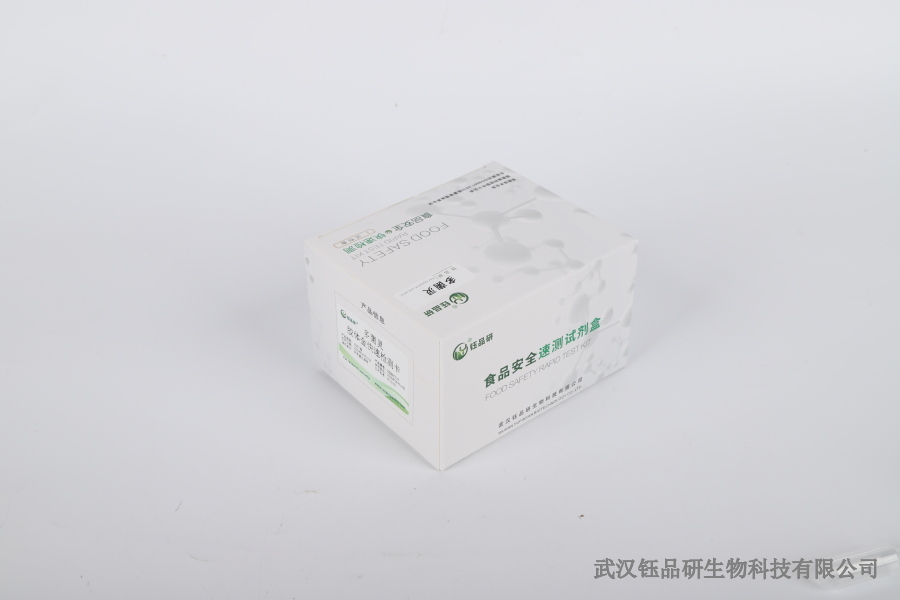
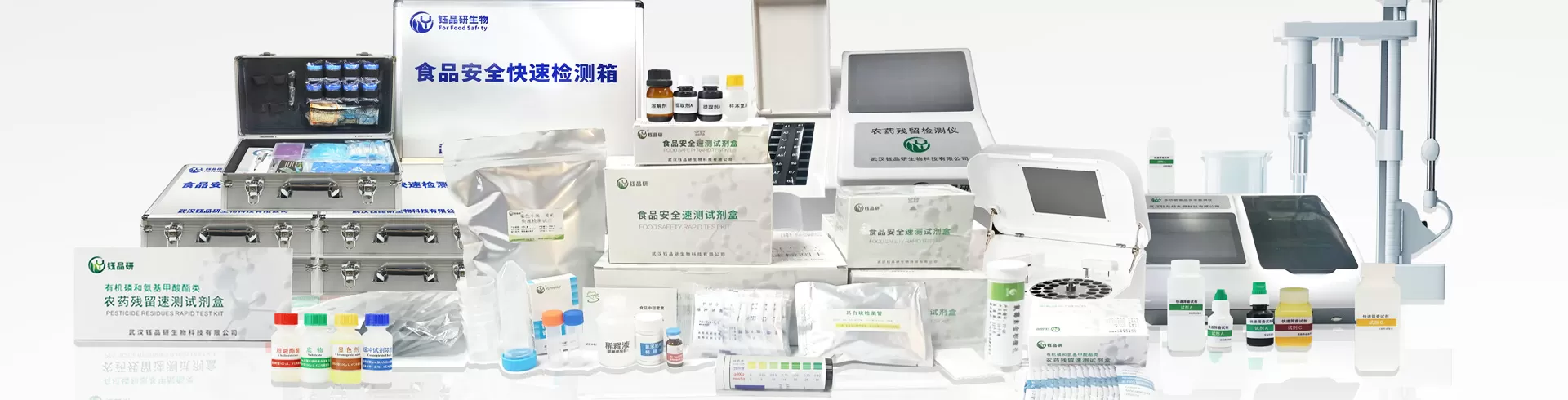
In the face of the risk of cypermethrin residues, scientific testing is the key. As an enterprise focusing on the field of food safety rapid detection, Wuhan Yupinyan Bio has developed a food safety rapid detection reagent that can effectively identify cypermethrin residues. It is easy to operate and fast to detect. It can produce results in a short time, helping consumers, growers or regulatory authorities to quickly screen for risks and avoid eating fruits and vegetables with excessive residues.
In daily life, consumers can pay attention to high-risk fruit and vegetables categories, choose regular channels to buy, and combine professional testing tools (such as Wuhan Yupinyan biological rapid detection reagents) to grasp the safety status of fruits and vegetables in a timely manner. Only by combining scientific testing with daily diet knowledge can we truly build a strong food safety defense line and protect a healthy life.