简体中文
简体中文 Shqip
Shqip لالعربية
 Polski
 رسی
رسی Deutsch
 Русский
 Français
 한국어
한국어 Nederlands
 Čeština
 Bahasa Melayu
 Português
 日本語
日本語 Svenska
 Kiswahili
 ไทย
ไทย Türkçe
 繁体中文
繁体中文 Українська
 Español
 Italiano
 हिन्दी
 Bahasa Indonesia
 Tiếng Việt
 Filipino
As people's attention to food safety continues to increase, pesticide residue detection has become a key link in guarding the safety of the dining table. Among them, cypermethrin, as a broad-spectrum pyrethroid insecticide, is widely used in agricultural production due to its characteristics of efficient prevention and control of aphids, cabbage caterpillars and other pests. However, if it is used improperly or the safety interval is not reached before harvesting, some fruits and vegetables may have the problem of excessive cypermethrin residues, which needs to be paid attention to.
Chrysanthemum and oranges are also on the list! Common fruits and vegetables with cypermethrin residues
Chrysanthemum, as a much-loved leafy vegetable, has a short growth cycle and frequent insect pests. Cypermethrin insecticides are often used to control aphids and cabbage caterpillars during planting. If farmers do not strictly abide by the withdrawal period regulations, chrysanthemum leaves may exceed the standard of cypermethrin, and long-term consumption poses health risks.
Citrus fruits such as oranges are also at risk of cypermethrin residues. In citrus cultivation, red spiders, leaf-diving moths and other pests are prone to fruit damage, and cypermethrin has been used more due to its long shelf life and low cost. If the fruit is not metabolically degraded before picking, it may lead to excessive cypermethrin residues. Consumers should be vigilant of potential hazards after eating.
In addition to chrysanthemum and oranges, leafy vegetables such as cabbage and lettuce, as well as fruits and vegetables such as strawberries and apples, also often have cypermethrin residues due to pesticide use problems. If these residues exceed the standard, it may affect the function of the human nervous system and increase the metabolic burden on the liver. Therefore, it is urgent to establish a rapid detection method.
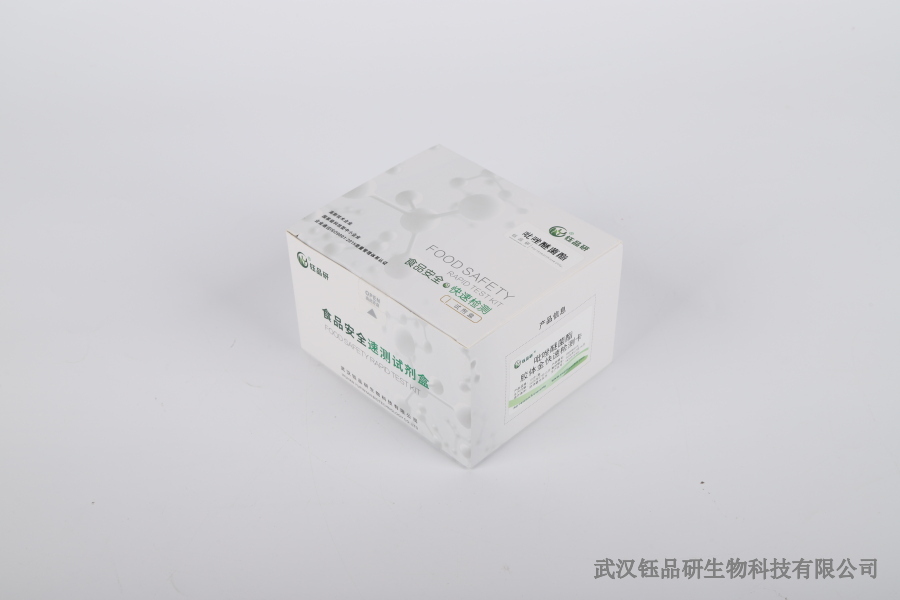
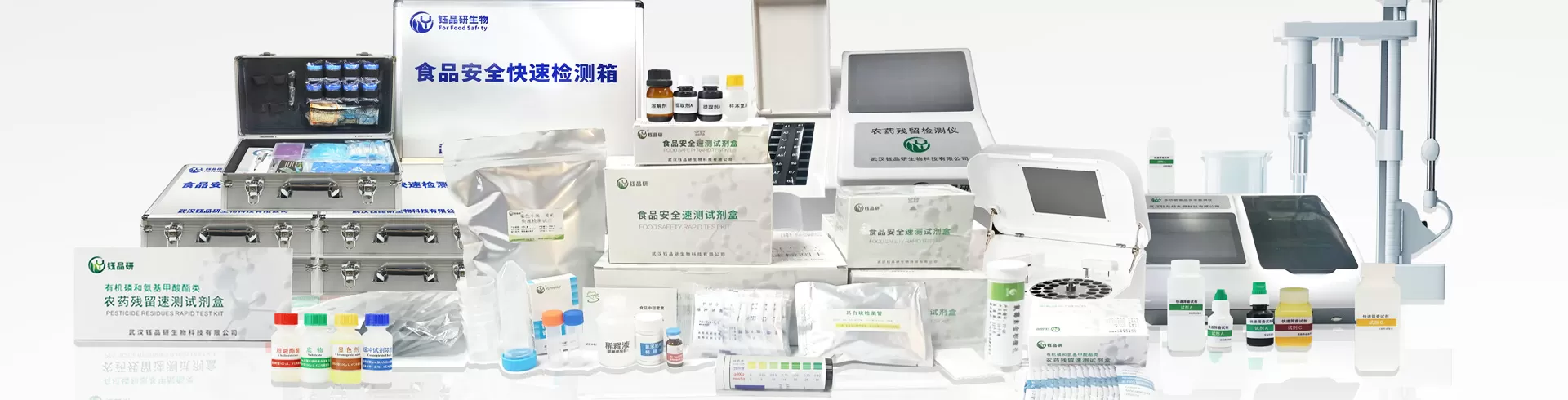
Wuhan Yupinyan Bio focuses on the field of rapid detection of food safety. The rapid detection reagent developed by it can accurately screen for cypermethrin residues in fruits and vegetables. The reagent is easy to operate, does not require complex equipment, has fast detection speed, and can issue results in a short time. It can help market supervision, growers, merchants, etc. to quickly control product quality and block unsafe fruits and vegetables from entering the market from the source.
focuses on daily diet safety and scientifically selects detection methods. Wuhan Yupinyan Bio is willing to escort your health with professional rapid detection reagents and jointly build a strong food safety defense line.