
 简体中文
简体中文 Shqip
Shqip لالعربية
 Polski
 رسی
رسی Deutsch
 Русский
 Français
 한국어
한국어 Nederlands
 Čeština
 Bahasa Melayu
 Português
 日本語
日本語 Svenska
 Kiswahili
 ไทย
ไทย Türkçe
 繁体中文
繁体中文 Українська
 Español
 Italiano
 हिन्दी
 Bahasa Indonesia
 Tiếng Việt
 Filipino
As a highly efficient organophosphorus insecticide, triazophos is widely used in pest control of rice, vegetables, fruits and other crops. Due to its stable chemical properties, if used improperly or excessively, it is easy to remain in agricultural products, posing a potential threat to human health. Therefore, the state has formulated strict pesticide residue standards, and clarified the exclusive limits of triazophos in different crops, providing an important basis for the quality and safety of agricultural products.
Residue Limits of Triazophos in Rice
Rice is one of the main food crops in our country, and triazophos is often used in the control of pest pests such as rice borers and rice leaf rollers. According to national standards, the residue limit of triazophos in rice and brown rice is 0.05mg/kg. This limit mainly takes into account the frequency of use of triazophos in rice cultivation, metabolic cycle, and the cumulative risk of long-term consumption by consumers to ensure that the residue in rice is controlled within a safe range to avoid nervous system and digestive system damage caused by long-term intake.
Residue limit requirements for triazophos in vegetables
In vegetable cultivation, triazophos is often used to control pests such as cabbage green insects and aphids. In order to ensure the safety of vegetable consumption, the state has formulated differentiated triazophos residue standards for different vegetables such as leafy vegetables and nightshade fruits. For example, the residue limit of triazophos in leafy vegetables is 0.02mg/kg, and in nightshade vegetables (such as tomatoes and eggplants) it is 0.05mg/kg. These limits take into account the way vegetables are eaten (raw or cooked), the growth cycle and the daily intake of the human body to ensure that consumers will not suffer health effects due to excessive triazophos residues under normal consumption.
the residue limit requirements for triazophos in fruits
As an important part of daily diet, the safety of pesticide residues in fruits has also attracted much attention. For common fruits such as apples, citrus and pears, the state stipulates that the residue limit of triazophos is 0.01mg/kg. This standard mainly targets the risk of direct contact with the skin of the fruit and the possible residue migration during fruit processing. Strict limit requirements help to reduce the potential damage of triazophos residues in fruits to human liver, kidneys and other organs, while avoiding the accumulation of chronic toxicity caused by long-term consumption.
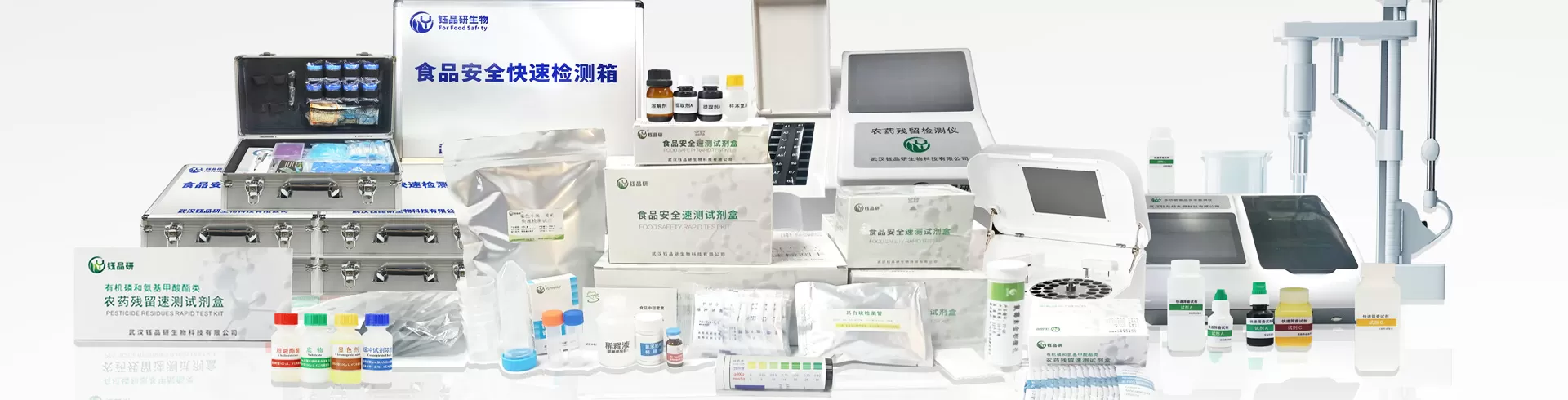
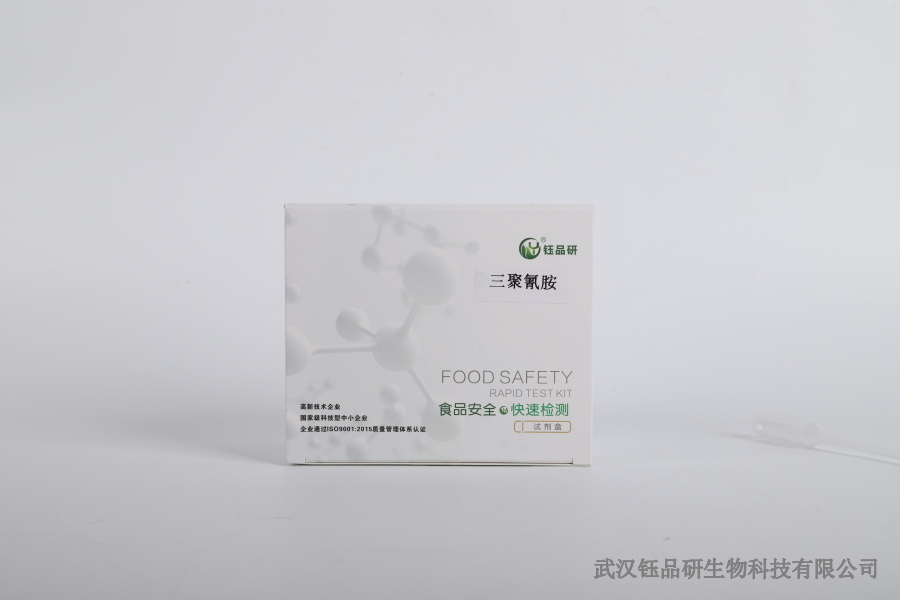
the food safety rapid detection reagent produced by Wuhan Yupinyan Bio, it can quickly and accurately detect the residue of triazophos in the above crops, and provide scientific data support for the production, processing and supervision of agricultural products through simple operation. Relying on professional detection technology, the reagent effectively shortens the detection cycle, helps farmers and enterprises control the quality of agricultural products in a timely manner, guarantees food safety from the source, and allows consumers to eat more confidently.


