
 简体中文
简体中文 Shqip
Shqip لالعربية
 Polski
 رسی
رسی Deutsch
 Русский
 Français
 한국어
한국어 Nederlands
 Čeština
 Bahasa Melayu
 Português
 日本語
日本語 Svenska
 Kiswahili
 ไทย
ไทย Türkçe
 繁体中文
繁体中文 Українська
 Español
 Italiano
 हिन्दी
 Bahasa Indonesia
 Tiếng Việt
 Filipino
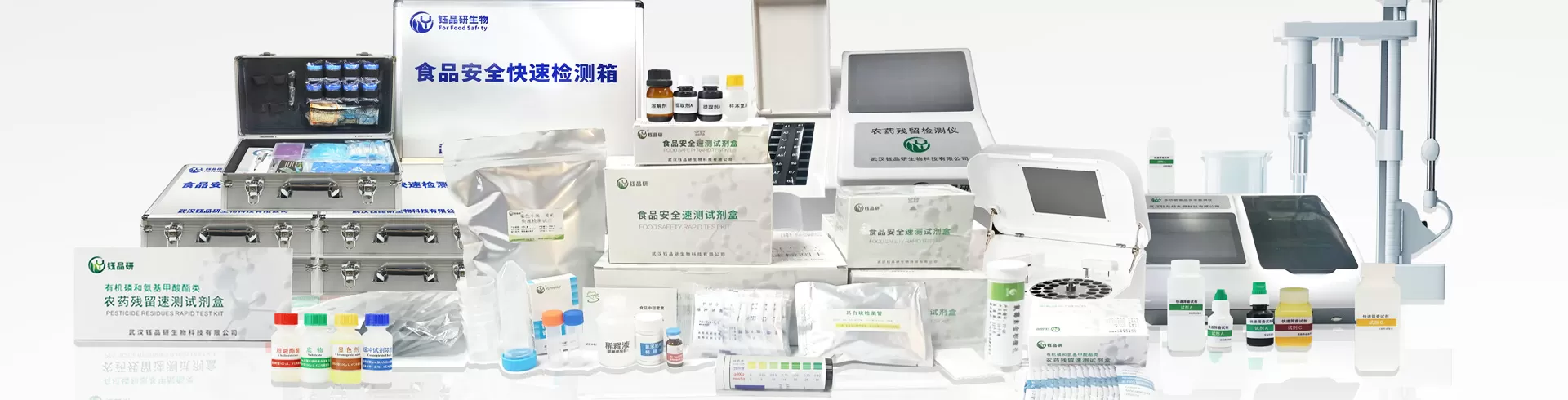
Triazophos is an organophosphorus insecticide widely used in agricultural production. It is mainly used to control a variety of pests on crops such as rice, cotton, and fruit trees. However, its excessive use or unreasonable use may lead to excessive residues in agricultural products, which in turn pose a potential threat to human health. Therefore, it has become a key link to ensure food safety to clarify the safety limit standard of triazophos in food and agricultural products and monitor it through scientific testing means. As an enterprise focusing on the research and development and production of food safety rapid testing reagents, Wuhan Yupinyan Bio has always been committed to providing efficient and reliable testing support for the whole chain of food safety.
safety limit standard for triazophos pesticide residues
In our country, the pesticide residue limit of triazophos strictly follows the relevant provisions of the National Food Safety Standard, Maximum Residue Limits of Pesticides in Food (GB 2763). The standard sets differentiated maximum residue limits according to different food categories (such as leafy vegetables, fruits, grains, tea, etc.) and uses. For example, for leafy fresh vegetables, the maximum residue limit of triazophos is usually specified as 0.02mg/kg; for some fruits such as citrus, pears, apples, etc., the limit value may be adjusted according to the planting method and eating habits, and the common range is between 0.05mg/kg and 0.1mg/kg; while for crops such as cereals and legumes, due to the relatively low risk of direct consumption or processed consumption, the limit standard is more stringent, and some varieties are required to not exceed 0.01mg/kg. In addition, the limit standards in different countries and regions may vary, but the overall goal is to protect consumer health.
the detection significance of triazophos residues in food and agricultural products
The detection of triazophos residues in food and agricultural products is not only to meet the requirements of national standards, but also directly related to human health and safety. After organophosphorus pesticides enter the human body, they may inhibit the activity of cholinesterase, lead to neurological disorders, and cause poisoning symptoms such as dizziness, nausea, and vomiting. Long-term intake may also increase chronic health risks. Therefore, accurate detection and control of triazophos residues can effectively avoid unqualified agricultural products from entering the market, provide consumers with a safe source of food, and also help production enterprises to detect problems in planting and processing in a timely manner, optimize production processes, and improve product quality.
Rapid Detection Helps Triazophos Pesticide Residue Screening
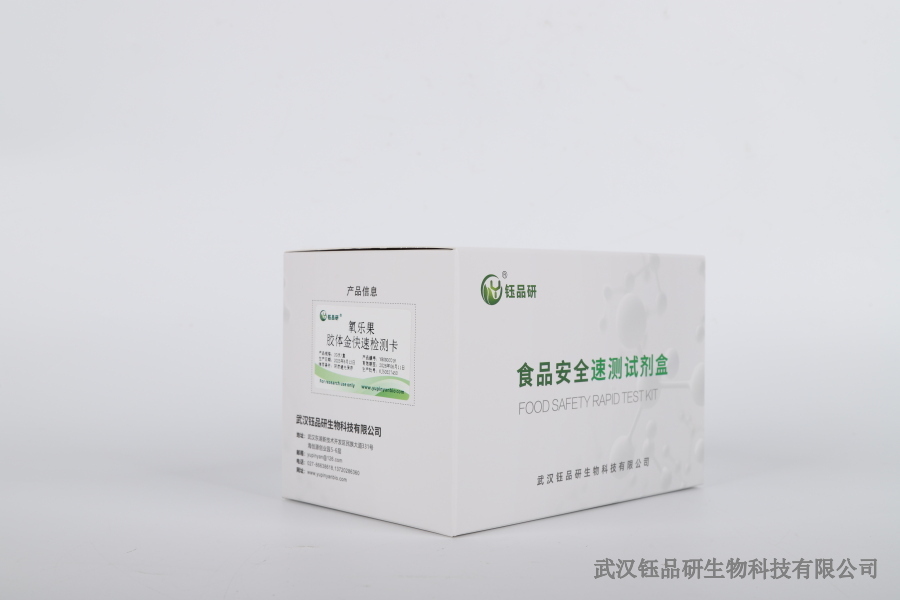
Faced with complex and diverse agricultural products and food substrates, traditional laboratory testing methods are often time-consuming and complicated to operate, making it difficult to meet the needs of rapid screening. The food safety rapid detection reagent developed by Wuhan Yupinyan Bio is designed for triazophos residue detection. Through the principle of antigen-antibody specific reaction, it can complete the detection in a short time (usually within 30 minutes) without relying on large-scale instruments and equipment. It is suitable for enterprise self-inspection, on-site screening or flow detection by grass-roots regulatory departments. The reagent adopts advanced immunochromatography technology, and the detection results are intuitive and easy to interpret, which can help users quickly identify the risk of triazophos residue exceeding the standard, and provide strong support for food safety supervision and production process
In short, the formulation and implementation of triazophos pesticide residue limit standards, as well as scientific and effective testing methods, are important guarantees to ensure the safety of food and agricultural products. Wuhan Yupinyan Bio will continue to optimize detection technology and contribute to building a safer and more reliable food safety system.


