简体中文
简体中文 Shqip
Shqip لالعربية
 Polski
 رسی
رسی Deutsch
 Русский
 Français
 한국어
한국어 Nederlands
 Čeština
 Bahasa Melayu
 Português
 日本語
日本語 Svenska
 Kiswahili
 ไทย
ไทย Türkçe
 繁体中文
繁体中文 Українська
 Español
 Italiano
 हिन्दी
 Bahasa Indonesia
 Tiếng Việt
 Filipino
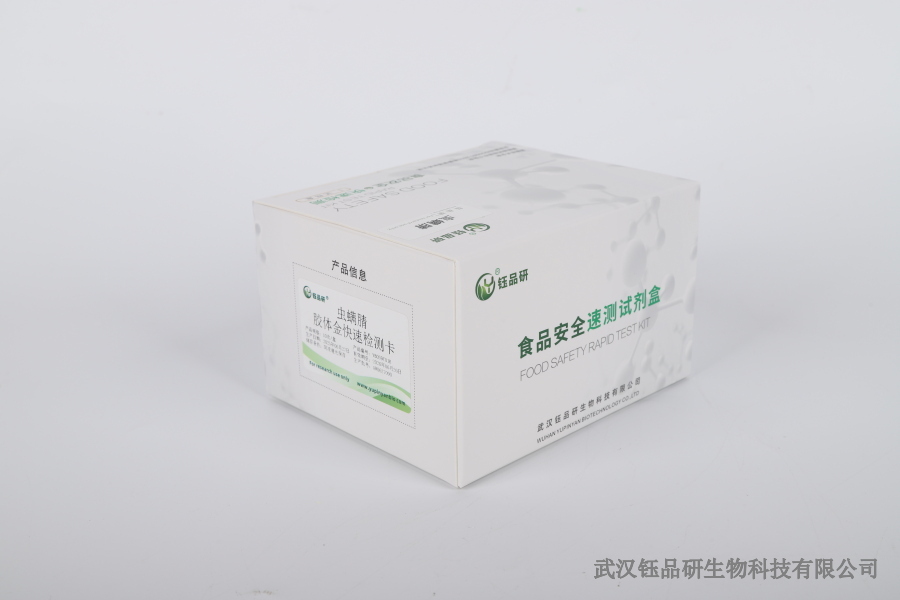
As a broad-spectrum organophosphorus insecticide, triazophos is widely used in pest control of rice, cotton, fruit trees and other crops. With the development of international trade in agricultural products, whether triazophos residues exceed the standard is directly related to food quality, safety and consumer health. Therefore, all countries have formulated strict residue limit standards. Among them, our country and Japan, as the main agricultural production and trading countries, have certain differences in the standard values of triazophos residues. Accurate understanding of these standards is crucial to food safety testing.
Basic Range of Triazophos Residue Standard Value
In our country, the standard value of triazophos residues is mainly implemented according to the "National Food Safety Standard, Maximum Residue Limits of Pesticides in Food" (GB 2763). The standard sets specific limit requirements for different food categories. For example, in leafy vegetables, the maximum residue limit of triazophos is usually 0.05 mg/kg; in fruits (such as apples, citrus, etc.), the limit standard may be 0.02 mg/kg; in food crops (such as rice, wheat), the limit value may be adjusted according to the planting use and processing method, generally controlled within 0.1 mg/kg. These standard values are formulated to take into account the safety of pesticides, actual use, and human health threats and risk assessments to ensure that consumers through normal dietary intake of triazophos will not pose a health hazard.the difference between the national standard and the Japanese standard
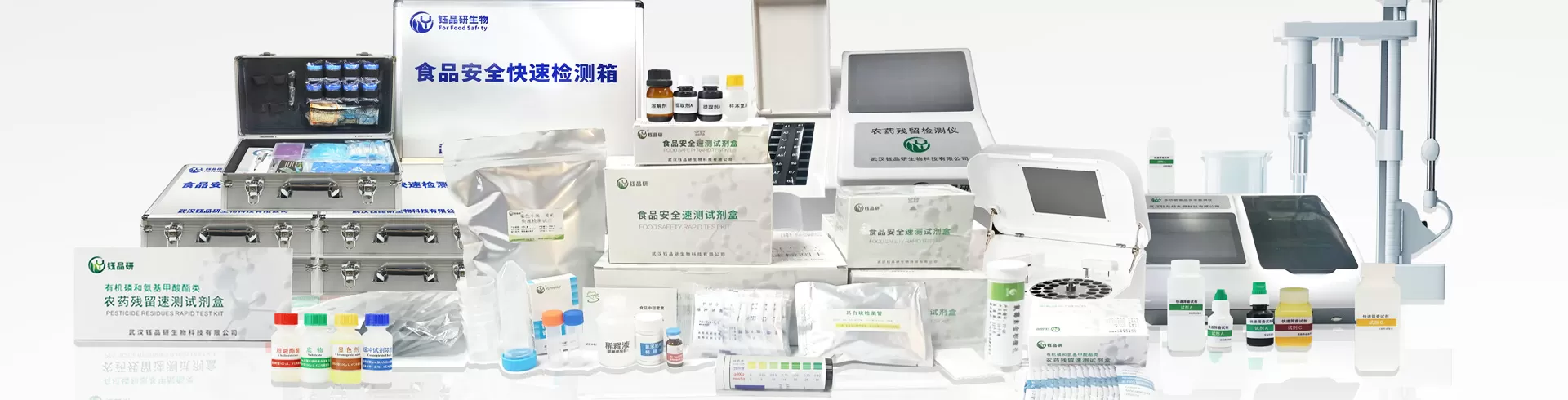
Japan's control of triazophos residues in food mainly follows the "Affirmative List System for Residual Agricultural Chemicals in Food", and its standard system is more detailed, and different residue limits are stipulated for specific varieties of different foods. Taking common agricultural products as an example, in the field of vegetables, the residue limit of triazophos in some leafy vegetables (such as spinach and lettuce) in Japan may be set at 0.01 mg/kg, which is more strict than our country's standard; and in fruits, the Japanese standard is not much different from our country's, and the limit of some varieties may be similar or slightly higher. It is worth noting that Japan has stricter residue standards for "processed foods". For example, for raw agricultural products used to make infant food, the residue limit of triazophos is usually required to be less than 0.005 mg/kg, in order to further reduce the latent risk of infants and young children. In contrast, the provisions of the national standard for triazophos residues in our country focus more on "general limits", which cover a wider range but have a slightly lower limit accuracy for some sub-categories. This difference reflects the differences in food safety supervision concepts, agricultural product consumption structure, and threat and risk assessment models in different countries.As a Wuhan Yupinyan Bio that focuses on the research and development of food safety rapid detection reagents, we always pay attention to the dynamic updates of pesticide residue standards at home and abroad, and are committed to providing efficient and accurate detection solutions for food enterprises through technological innovation. Whether it is a domestic enterprise that needs to implement the GB 2763 standard or an export enterprise that needs to meet the Japanese positive list system, Wuhan Yupinyan Bio's rapid detection reagents can quickly identify whether the triazophos residue in the sample exceeds the standard, helping enterprises control product quality from the source and reduce food safety risks.
To sum up, the difference in the standard value of triazophos residue needs to be comprehensively judged in combination with specific food categories and application scenarios. Wuhan Yupinyan Biological reminds the majority of food practitioners to keep abreast of and strictly abide by relevant domestic and foreign standards, and at the same time, with the help of professional rapid detection technology, in order to effectively ensure the safety of the food supply chain. In the future, we will continue to deepen the field of food safety testing and contribute to building a safer food environment.