
 简体中文
简体中文 Shqip
Shqip لالعربية
 Polski
 رسی
رسی Deutsch
 Русский
 Français
 한국어
한국어 Nederlands
 Čeština
 Bahasa Melayu
 Português
 日本語
日本語 Svenska
 Kiswahili
 ไทย
ไทย Türkçe
 繁体中文
繁体中文 Українська
 Español
 Italiano
 हिन्दी
 Bahasa Indonesia
 Tiếng Việt
 Filipino
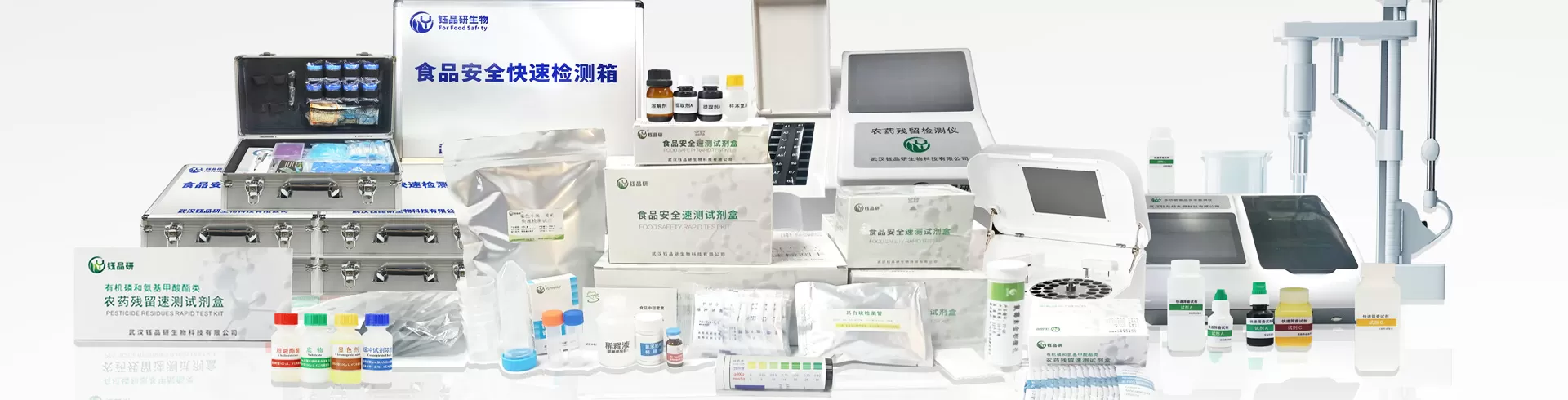
Triazophos, as a highly efficient organophosphorus insecticide, is widely used in agricultural production and can effectively control a variety of crop diseases and pests. However, excessive use or improper residues may enter the human body through the food chain, posing a potential threat to health. Therefore, it is crucial to establish an accurate residue detection method. In actual detection work, there are significant differences in the residue characteristics of triazophos in different substrates such as grain, vegetables, and water bodies. The detection method needs to be optimized in a targeted manner to ensure accurate and reliable results. As an enterprise focusing on the research and development of rapid detection reagents for food safety, Wuhan Yupinyan Bio has always been committed to providing efficient solutions for the detection of different substrates.
Triazophos Residue Detection in Grain Matrix
Grain (such as wheat, rice, corn, etc.) is one of the common substrates for triazophos residues. Its components are mainly starch, protein, fat and dietary fiber, and often contain a small amount of oil and pigment. Due to the dense grain particles, attention should be paid to the removal of fat substances during sample pretreatment to avoid interference with the detection system. Traditional detection methods mostly use organic solvent extraction (such as acetonitrile) combined with solid phase extraction and purification, which is cumbersome and time-consuming. Wuhan Yupinyan Bio is a rapid detection reagent optimized for grain substrates. By improving the extract formula, the ground grain samples can be directly pretreated to reduce the impact of fat residues on the detection results. At the same time, the detection time is shortened to 30 minutes, which greatly improves the detection efficiency. In addition, triazophos residues in grains are usually related to planting cycles and fertilization methods. It is necessary to select an appropriate detection sensitivity based on the characteristics of the substrate to ensure that low-concentration residues can also be accurately identified.
detection of triazophos residues in vegetable substrates
Vegetable substrates have become one of the difficulties in the detection of triazophos residues due to their high moisture content, complex fiber structure, and natural ingredients such as chlorophyll and vitamins. Chlorophyll, organic acids and other substances in vegetables may have non-specific reactions with the detection reagents, resulting in false positive results. The rapid detection reagent developed by Wuhan Yupinyan Bio can effectively eliminate the interference of endogenous substances in vegetables by adding a specific masking agent, especially for the problem of high chlorophyll residues in leafy vegetables, and can maintain the purity of the detection signal. In the sample pre-processing process, the reagent uses an aqueous extract to directly extract the residual components in vegetable samples without complicated purification steps, which not only reduces the difficulty of operation, but also avoids the trace residue loss caused by filtration. In addition, the triazophos residues in vegetable substrates often coexist as surface adhesion and internal osmosis. The detection needs to comprehensively consider the distribution characteristics of the matrix to ensure the representativeness of sampling.
detection of triazophos residues in water substrates
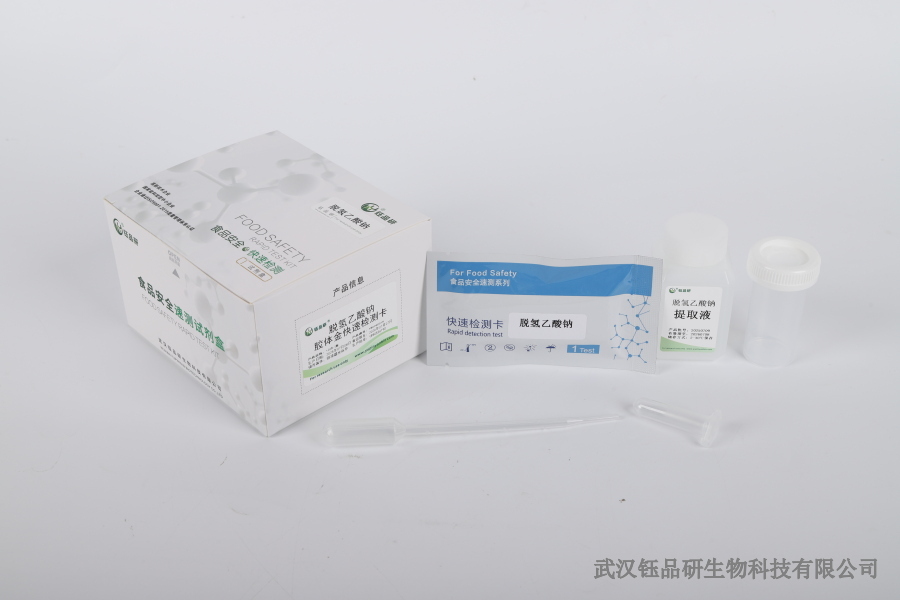
water substrates (such as surface water, groundwater, agricultural irrigation water, etc.) have complex components, including dissolved organic matter, microorganisms, suspended particulate matter, etc., and the residual concentration of triazophos is usually low (μg/L level), which is difficult to detect. Traditional methods require solid-phase extraction or liquid-liquid extraction to enrich, which is cumbersome and easy to introduce errors. Wuhan Yupinyan Bio developed a rapid detection reagent for water substrates, and innovatively adopted nano-material pre-enrichment technology, which can complete the efficient adsorption and enrichment of triazophos in water samples within 10 minutes, without the assistance of large instruments, and is suitable for on-site or emergency detection scenarios. At the same time, the reagent has strong tolerance to common coexisting ions in the water body (such as calcium, magnesium, chloride ions), avoiding the problem of matrix ions interfering with the detection results. In addition, microorganisms in the water may degrade triazophos, and the detection needs to be combined with the on-site storage conditions to select the appropriate pretreatment time to ensure the authenticity of the residual amount.
In summary, the detection of triazophos residues in different substrates needs to adjust the pretreatment method and detection parameters according to the characteristics of the substrate. With years of research and development experience, Wuhan Yupinyan Bio has provided a fast, accurate and reliable detection plan for substrates such as grains, vegetables, and water bodies by optimizing the reagent formula and pretreatment process, helping food safety regulators and enterprises to comprehensively control the risk of triazophos residues and protect the public's dietary safety.


