简体中文
简体中文 Shqip
Shqip لالعربية
 Polski
 رسی
رسی Deutsch
 Русский
 Français
 한국어
한국어 Nederlands
 Čeština
 Bahasa Melayu
 Português
 日本語
日本語 Svenska
 Kiswahili
 ไทย
ไทย Türkçe
 繁体中文
繁体中文 Українська
 Español
 Italiano
 हिन्दी
 Bahasa Indonesia
 Tiếng Việt
 Filipino
Recently, in the food safety sampling results released by the regulatory authorities in many markets, the issue of "thiamethoxam exceeding the standard" has attracted widespread attention. Data show that in agricultural products and processed foods in some areas, the residue of thiamethoxam exceeds the standard by up to 5 times, far exceeding the safety limit stipulated by the state.
thiamethoxam is a highly effective nicotine insecticide, which is often used in crop cultivation to control aphids, thrips and other pests. However, if the dosage is improper or exceeds the safe interval, the residue may exceed the standard. Long-term consumption of foods with excessive thiamethoxam may have potential effects on the nervous system, liver and kidney function, especially the health risks of children and pregnant women.
According to the published sampling cases, tea, leafy vegetables, some fruits and cereal products are "high-incidence areas" for thiamethoxam residues. For example, individual tea samples have detected thiamethoxam residues up to 5 times the standard value. Leafy vegetables such as spinach and cabbage grown in the open air, as well as berries such as strawberries and grapes, have also exceeded the standard many times.
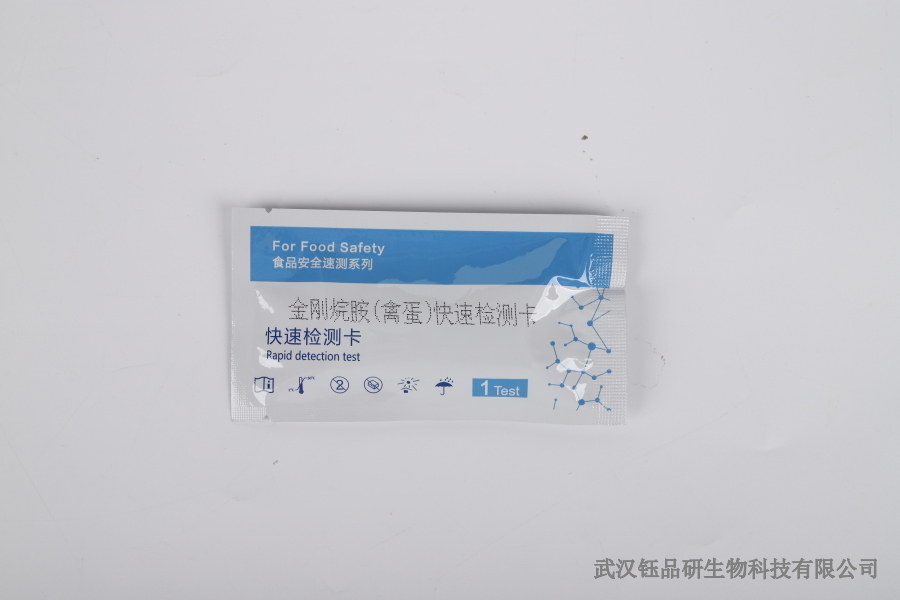
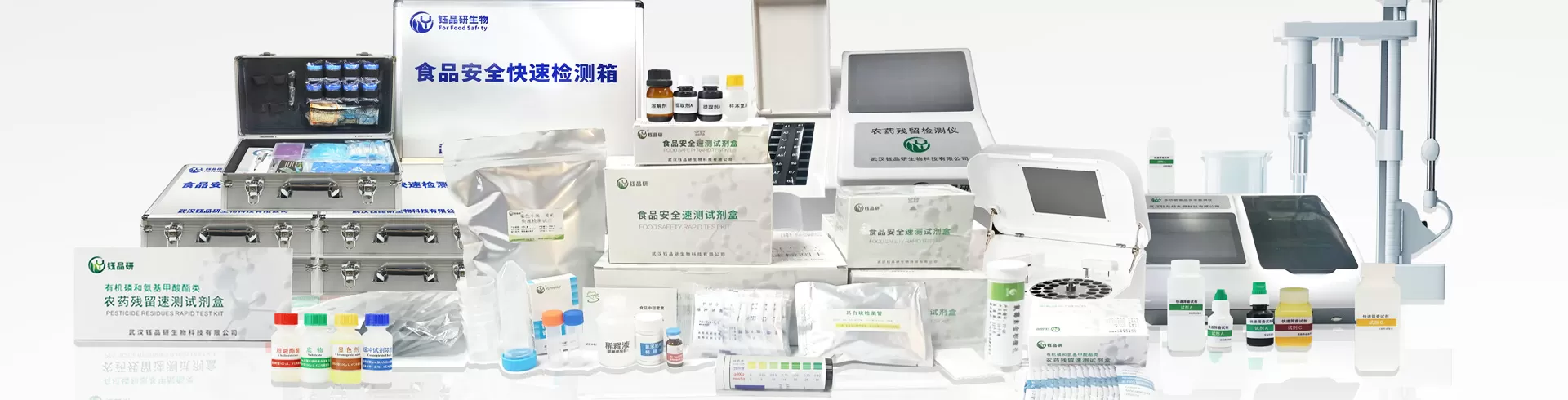
Consumers should be extra cautious when purchasing the above foods. It is recommended to give priority to products with formal test reports, and avoid purchasing agricultural products with unknown sources or significantly lower prices. It is worth noting that, as a professional food safety detection reagent R & D and production enterprises, Wuhan Yupinyan Bio's rapid detection reagents can help consumers quickly screen for pesticide residue indicators such as thiamethoxam at home or in small places, without professional equipment. The test results can be obtained within 10-15 minutes, providing a convenient and reliable guarantee for dietary safety.