简体中文
简体中文 Shqip
Shqip لالعربية
 Polski
 رسی
رسی Deutsch
 Русский
 Français
 한국어
한국어 Nederlands
 Čeština
 Bahasa Melayu
 Português
 日本語
日本語 Svenska
 Kiswahili
 ไทย
ไทย Türkçe
 繁体中文
繁体中文 Українська
 Español
 Italiano
 हिन्दी
 Bahasa Indonesia
 Tiếng Việt
 Filipino
Citrus is widely cultivated as a cash crop in the south of our country, but in recent years, there have been frequent problems of excessive triazophos, which not only affect the market circulation of products, but also pose a potential threat to consumer health. Triazophos is a high-efficiency organophosphorus insecticide, which is often used to control citrus red spiders, leaf moths and other pests and diseases, but its chemical properties are stable, and if used improperly, it is easy to exceed the standard in the fruit.
Orchard Drug Habits: Triazophos Abuse and Mixed Drug Risk
Fruit farmers often form irregular drug habits due to the pursuit of short-term results when controlling citrus pests and diseases. In order to quickly control pests, some fruit farmers will increase the dose of triazophos without authorization, which is beyond the tolerance range of crops; there are also fruit farmers who use triazophos alone for a long time, ignoring the rotation of pesticides, resulting in increased resistance to pests and diseases, further exacerbating the increase in dosage, forming a vicious circle of "increased dosage - excessive residue". In addition, the phenomenon of mixed drug use cannot be ignored. Some fruit farmers mix triazophos with other pesticides to control multiple pests and diseases at the same time. If there is a chemical reaction between different agents, it may lead to the superposition of active ingredients and increase the risk of residue.
Lack of safety interval management: a key factor in the accumulation of pesticide residues
safety interval refers to the time from the last application to the harvest of crops. Its setting purpose is to allow pesticides to be fully degraded in the natural environment and reduce the amount of residues. However, some fruit farmers lack awareness of the safety interval. In order to catch up with the time to market or reduce the number of applications, the interval is shortened, and even when the fruit is about to ripen, triazophos cannot be completely degraded in the fruit. For example, in the conventional planting of citrus, the safety interval of triazophos is usually 15 days, but if the fruit farmers pick only 10 days apart, the residue in the fruit may far exceed the national standard, becoming a potential safety hazard in the market circulation.
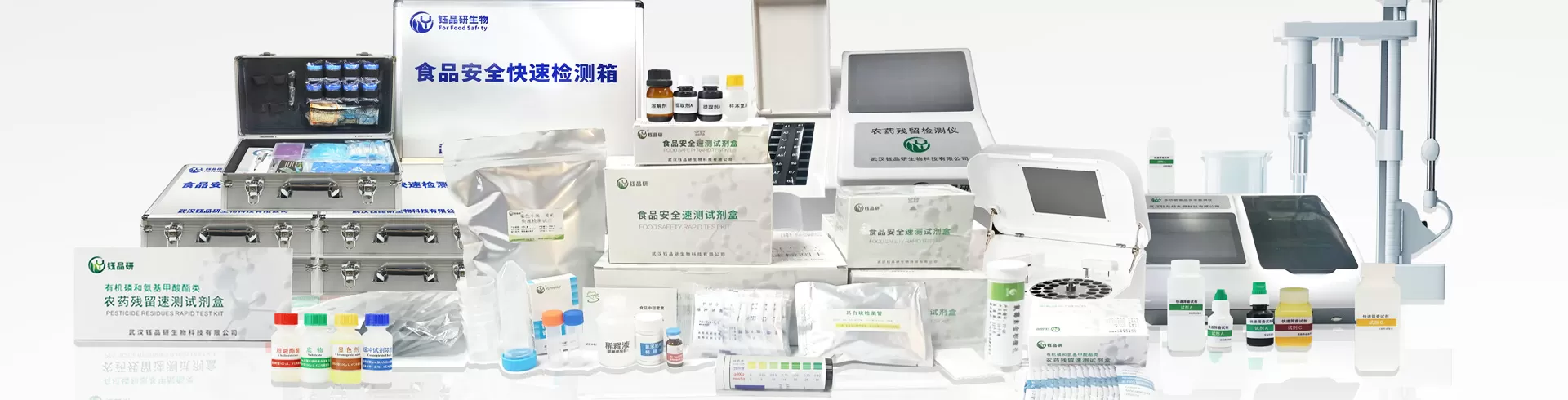
In order to effectively control the quality and safety of agricultural products, timely detection of pesticide residues has become a key link. Through rapid detection technology, the screening of pesticide residues such as triazophos can be completed in a short time, helping fruit farmers and regulatory authorities to quickly find problems and ensure the safety of citrus consumption from the source.