
 简体中文
简体中文 Shqip
Shqip لالعربية
 Polski
 رسی
رسی Deutsch
 Русский
 Français
 한국어
한국어 Nederlands
 Čeština
 Bahasa Melayu
 Português
 日本語
日本語 Svenska
 Kiswahili
 ไทย
ไทย Türkçe
 繁体中文
繁体中文 Українська
 Español
 Italiano
 हिन्दी
 Bahasa Indonesia
 Tiếng Việt
 Filipino
Rice is one of the main food crops in our country, and its quality and safety are directly related to food safety. Triazophos, as an organophosphorus insecticide, has been widely used in rice pest control, but if it is used or stored improperly, it is easy to lead to excessive triazophos residues in rice, which affects food quality.
planting links: pesticide use and management are key
In the process of rice planting, excessive triazophos residues are mainly due to the irregular use of pesticides. In order to pursue control effects, some growers may use pesticides in excess doses, or fail to strictly follow the safety interval requirements, resulting in more residues when rice is harvested. In addition, if pests and diseases occur more seriously during rice growth, the continuous use of triazophos pesticides will also increase the risk of residues. At the same time, the quality stability of the pesticide product itself may also affect the residue level. For example, some inferior chemicals may have high content of active ingredients, or insufficient residue control due to production process problems.
storage links: Improper environment and management exacerbate residues
Improper management of storage links may also lead to excessive triazophos residues after the harvest of rice. If the storage environment temperature is high and the humidity is too high, it may accelerate the decomposition or transformation of pesticide residues, resulting in an increase in the detection value. In addition, if moisture-proof and insect-proof measures are not taken during the storage process, the stability of pesticide residues may be indirectly affected due to microbial or pest activities. In addition, some storage containers may have the risk of contamination, such as the use of uncleaned packaging materials, or the release of harmful substances from the container itself. Although it does not directly increase triazophos residues, it may interact with the original residues and interfere with the detection results. In addition, after long-term storage, pesticide residues in rice may undergo metabolic changes due to environmental factors. If it is not detected and treated in time, it may also lead to problems of exceeding the standard.
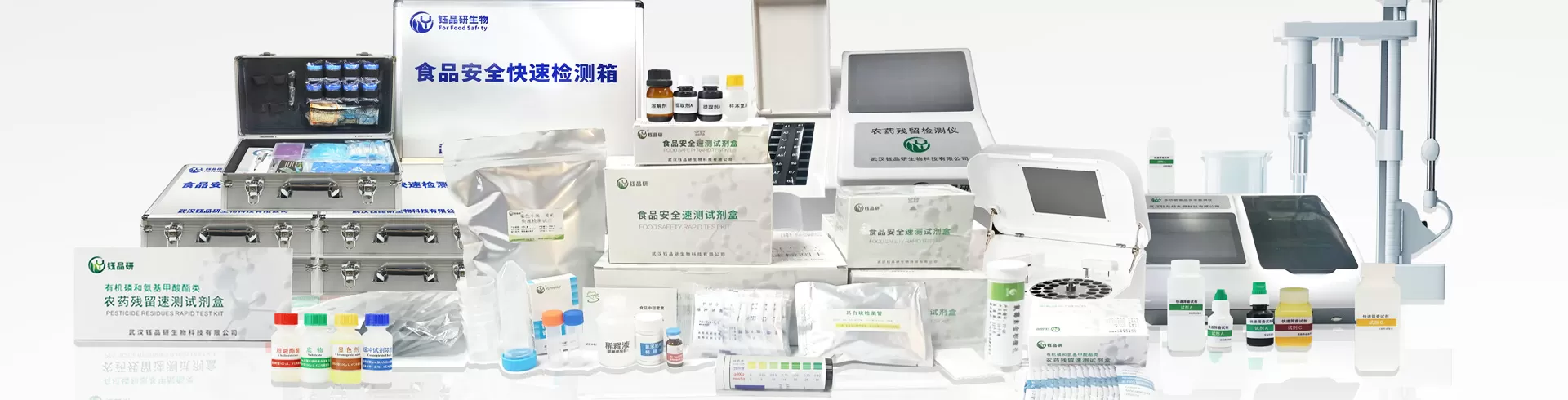
To sum up, the problem of excessive triazophos residues in rice needs to be controlled from planting to storage. Standardizing the use of pesticides and optimizing storage conditions are important means to reduce the risk of residues. Wuhan Yupinyan Bio focuses on the field of rapid detection of food safety. The rapid detection reagents we have developed can effectively help detect triazophos and other pesticide residues in rice, providing a strong guarantee for the safety of agricultural products.


