简体中文
简体中文 Shqip
Shqip لالعربية
 Polski
 رسی
رسی Deutsch
 Русский
 Français
 한국어
한국어 Nederlands
 Čeština
 Bahasa Melayu
 Português
 日本語
日本語 Svenska
 Kiswahili
 ไทย
ไทย Türkçe
 繁体中文
繁体中文 Українська
 Español
 Italiano
 हिन्दी
 Bahasa Indonesia
 Tiếng Việt
 Filipino
As a highly efficient organophosphorus insecticide, triazophos is widely used in pest control of rice, vegetables, fruits and other crops. However, excessive residues may pose a potential threat to human health, so it is particularly important to clarify its residue limit standards and detection methods. This article will focus on the problem of excessive triazophos residues, and explain in detail in combination with national standards and different crop characteristics.
the national standard residue limit standard for triazophos
According to the "National Standard for Food Safety, Maximum Residue Limits of Pesticides in Food" (GB 2763-2022), the residue limit of triazophos varies depending on the food category. Generally speaking, the residue of triazophos in food shall not exceed the maximum limit value stipulated in the standard, otherwise it is exceeding the standard. For fresh agricultural products (such as vegetables and fruits), the residue limit needs to be comprehensively determined according to the consumption method and safety risk; for processed foods (such as cereal products), the threshold is usually more strict to reduce the risk of long-term intake.
The difference in the residue threshold of triazophos in different crops
There are obvious differences in the residue threshold requirements of triazophos in different crops due to the growth cycle, edible site and metabolic characteristics. Taking vegetables as an example, leafy vegetables (such as spinach and cabbage) are directly eaten fresh crops, and the residue limit of triazophos is usually 0.05mg/kg; rhizomes (such as potatoes and radishes) are relatively loose due to the close contact between the edible part and the soil, and the threshold is generally specified as 0.1mg/kg. In fruits, apples, citrus and other varieties that directly contact the epidermis with pesticides, the residue limit is mostly controlled between 0.01mg/kg and 0.05mg/kg; while strawberries and other berries, considering that pesticides are easy to adhere to the pulp, the threshold is usually lower, and some standards stipulate that it does not exceed 0.02mg/kg. For food crops, rice, wheat and other grain agricultural products, because they need to be processed before eating, the residue limit of triazophos is generally below 0.02mg/kg; tea as a special crop, due to the risk of direct brewing after picking tea, the residue threshold of triazophos is routinely set at 0.05mg/kg to avoid excessive residues in tea soup.
How to accurately detect triazophos residues? Wuhan Yupinyan Bio helps rapid screening
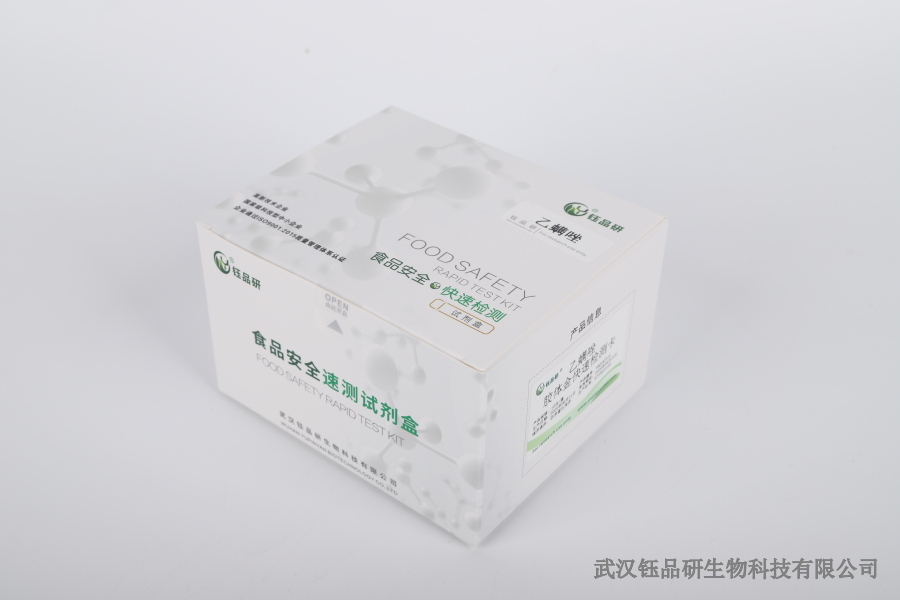
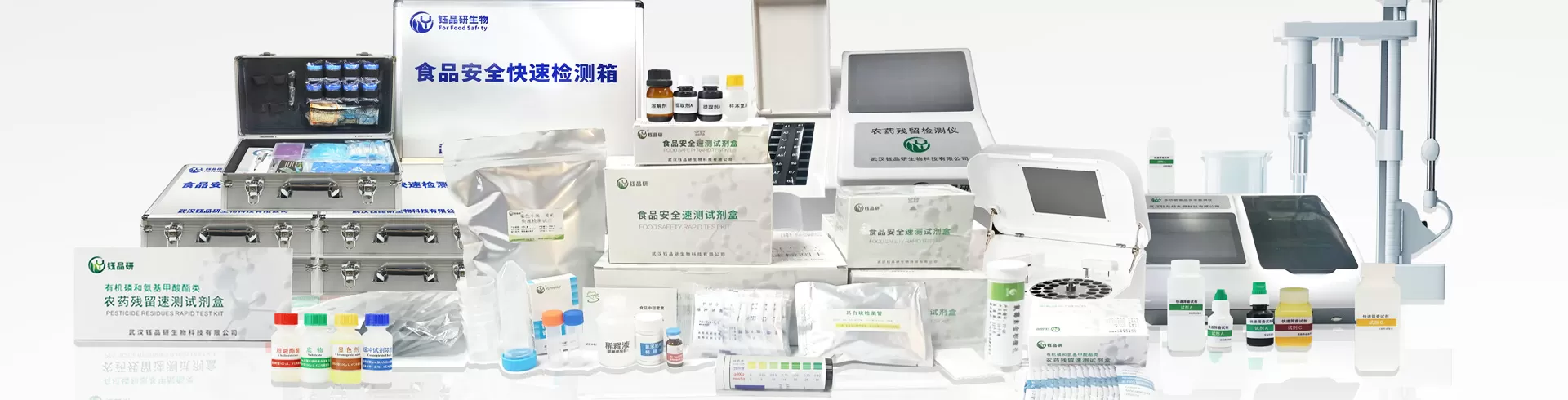
accurately determine whether triazophos exceeds the standard, and needs to rely on professional detection technology. As a professional enterprise in the field of food safety rapid detection, Wuhan Yupinyan Bio has developed a triazophos rapid detection reagent, which can realize the preliminary screening of residues in samples through simple operation. The reagent adopts immunochromatography technology and can produce results in a short time. It is suitable for the rapid sampling of agricultural products and food by grass-roots agricultural departments, food production enterprises and market regulatory agencies. It helps users to detect potential residual risks in time, avoid excessive products from entering the market, and ensure food safety from the source.
In short, whether triazophos residues exceed the standard needs to be compared with the national standard threshold and comprehensively judged according to the specific crop type. Through scientific testing and strict supervision, the impact of pesticide residues on human health can be effectively reduced, so that consumers can eat more at ease.