简体中文
简体中文 Shqip
Shqip لالعربية
 Polski
 رسی
رسی Deutsch
 Русский
 Français
 한국어
한국어 Nederlands
 Čeština
 Bahasa Melayu
 Português
 日本語
日本語 Svenska
 Kiswahili
 ไทย
ไทย Türkçe
 繁体中文
繁体中文 Українська
 Español
 Italiano
 हिन्दी
 Bahasa Indonesia
 Tiếng Việt
 Filipino
Triazophos, as a highly effective organophosphorus insecticide, is widely used in pest control of rice, cotton and other crops. However, if it is not used properly or the residue control is not in place, it may lead to excessive content of triazophos in agricultural products, threatening human health. This article will analyze the reasons for excessive triazophos from the whole link of medication, environment and detection, and introduce the relevant detection technology and application.
In agricultural production, the irregular operation of the medication link directly affects the residual level of triazophos. In order to pursue short-term control effects, some farmers may use overdoses, resulting in the accumulation of pesticides on the surface and inside of crops exceeding the safe threshold. In addition, the repeated application of triazophos will make the pesticides absorbed by crops unable to be metabolized and decomposed in a short time, thus forming residue accumulation. More importantly, the absence or shortening of the safety interval is also a key factor - if sufficient time is not reserved for the discontinuation of pesticides before the crop is harvested, the residual pesticides will enter the market with the product, resulting in the risk of exceeding the standard.
In addition to the operation of medication, environmental conditions also affect the migration and enrichment of triazophos residues. For example, during rainy seasons or irrigation processes, water-soluble triazophos in the soil may leach into the deep soil with water flow. If the root system of the next crop has strong absorption capacity, it may lead to excessive residues. However, there are differences in the metabolic capacity of pesticides in different crops. Leafy vegetables have a relatively higher risk of absorbing and accumulating triazophos due to their short growth cycle and thin leaves. In addition, if the high dose of triazophos applied to the previous crop is not fully degraded, its residue may continue to affect the subsequent crop through the soil, forming a "chain pollution".
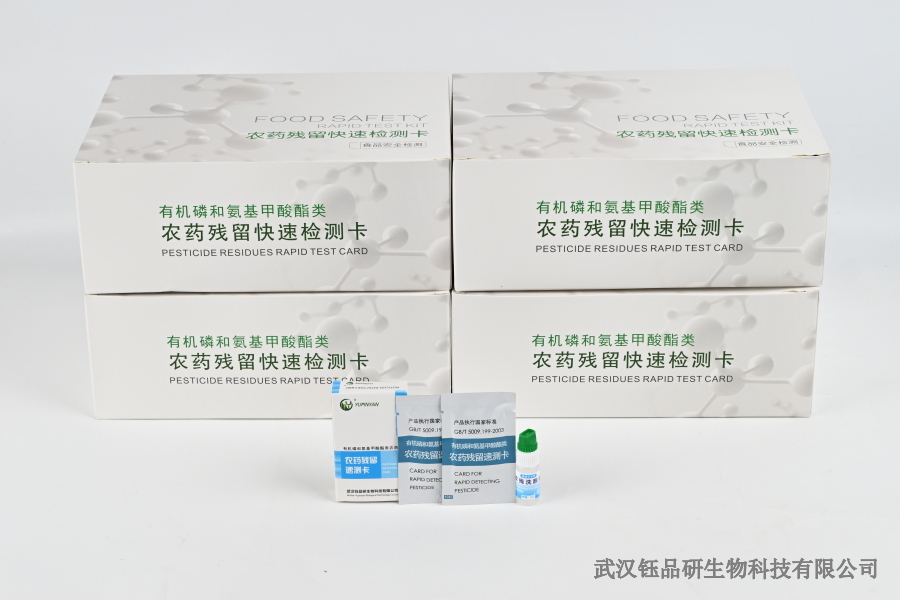
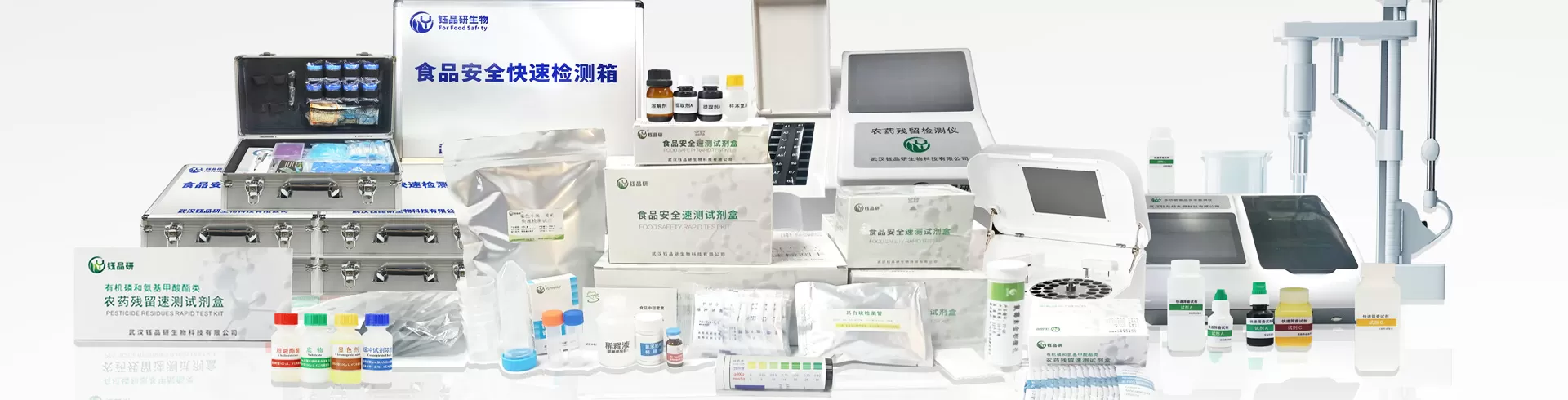
Accurate detection is a key link in controlling the excess of triazophos residues, and the detection results are directly affected by the pretreatment process and technical means. In traditional detection methods, complex pretreatment steps (such as extraction and purification) not only take a long time, but also may lead to deviations in results due to operational errors. The food safety rapid detection reagent developed by Wuhan Yupinyan Bio can realize the rapid screening of triazophos in samples by simplifying the pretreatment process, and help enterprises and regulatory authorities detect latent risks in the field or market in a timely manner. For example, its test strips based on the principle of immunochromatography can produce results within 15 minutes, which greatly improves the detection efficiency and coverage, and provides technical support for the early warning of the risk of triazophos exceeding the standard.
The solution to the problem of triazophos exceeding the standard needs to run through the whole chain of "drug use-planting-detection". At the drug end, promote the precision drug application technology, reasonably control the dose and frequency according to the type of crop, the degree of occurrence of diseases and pests, and strictly abide by the safety interval regulations; at the planting end, strengthen the soil fertility management and crop rotation system to reduce the accumulation of residues; at the detection end, rely on the rapid detection reagents developed by Wuhan Yupinyan Biology and other enterprises to build a normalized monitoring network to ensure the safety of agricultural products before they go on the market. Through multi-link collaborative control, in order to effectively reduce the risk of excessive triazophos, protect public food safety.