简体中文
简体中文 Shqip
Shqip لالعربية
 Polski
 رسی
رسی Deutsch
 Русский
 Français
 한국어
한국어 Nederlands
 Čeština
 Bahasa Melayu
 Português
 日本語
日本語 Svenska
 Kiswahili
 ไทย
ไทย Türkçe
 繁体中文
繁体中文 Українська
 Español
 Italiano
 हिन्दी
 Bahasa Indonesia
 Tiếng Việt
 Filipino
Recently, many market regulatory authorities found in vegetable sampling that some long bean samples were found to exceed the standard of triazophos, which caused consumers to pay attention to food safety. Triazophos, as an organophosphorus insecticide, has been widely used in vegetable planting to control pests, but excessive use or improper use can easily lead to excessive residues in agricultural products. Among them, long beans often become one of the vegetables with higher risk of residues due to their special growth characteristics.
1. Planting stage: irregular pesticide use habits lay hidden dangers
During the process of vegetable planting, some farmers have a deviation in their cognition of pesticide use. Although triazophos can effectively control pests such as thrips and aphids in beans, if the concentration and frequency of use are too high during the flowering or fruiting period, or if the safety interval regulations are not strictly followed, it may lead to the accumulation of pesticide ingredients in beans. For example, in order to pursue control effects, some farmers increase the dosage at one time, or do not reserve enough safe waiting time before picking, so that long beans still contain excessive triazophos residues when they are listed. In addition, some farmers do not pay enough attention to the principles of "rotating drug use" and "scientific mixed use". Long-term single use of triazophos not only makes pests resistant to pesticides, but also may increase the risk of pesticide residues in crops.
Second, environmental factors: special growth cycle intensifies absorption and residual
The growth characteristics of long beans also lay a "hidden danger" for triazophos residues. Beans belong to sprawling plants, vines grow rapidly, and leaves, flowers and fruits are dense. If they encounter continuous rainy weather in the middle of growth, high humidity and poor ventilation in the field can easily lead to the growth of diseases and pests, and farmers may increase the amount of pesticides used. At the same time, long beans have shallow root systems, which are more sensitive to pesticides residues in the soil. If triazophos pesticides have been used in the surrounding farmland and have not passed sufficient soil improvement period, the residual pesticides may be initialized through rain or absorbed by the root system, and indirectly transferred to beans. These "passive absorption" conditions are often ignored by farmers because they are not easy to detect, and become an important incentive for residues to exceed the standard.
Third, insufficient detection awareness: there are blind spots in source control and process supervision
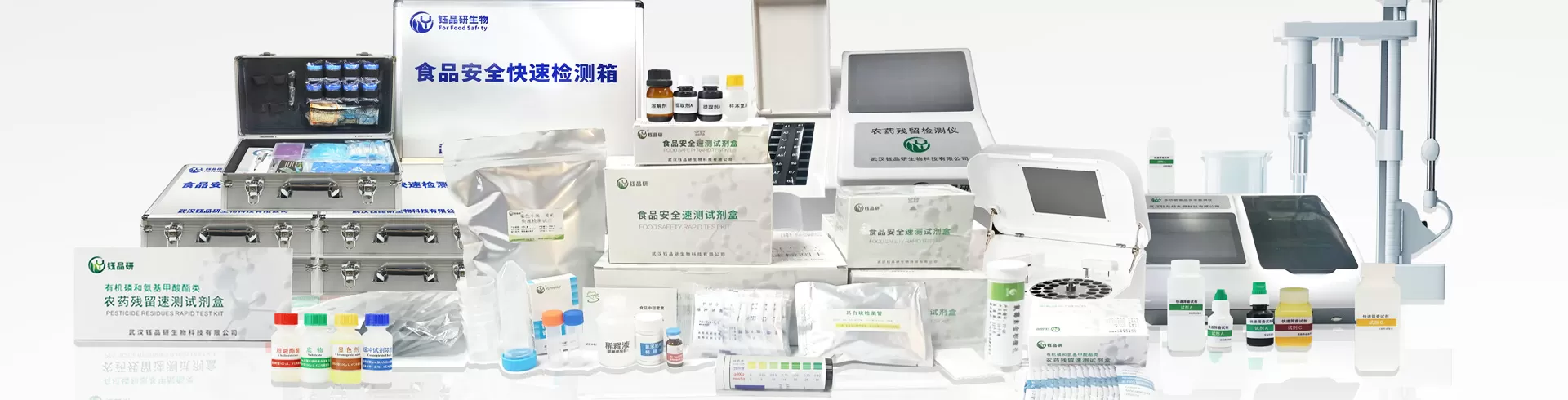
From production to circulation, weak detection awareness is also the key to the problem. Some small growers lack testing equipment and awareness of agricultural product safety, and go directly to the market after harvesting, without self-inspection or submission of beans for inspection. And some buyers or wholesale markets may also omit the pesticide residue screening process for long beans due to cost or time considerations. As an enterprise focusing on the field of food safety rapid detection, Wuhan Yupinyan Bio is well aware of the impact of agricultural product residues on consumer health. The rapid detection reagents we developed can complete the screening of pesticide residues in a short time, help growers and purchasers detect risks in time, and control food safety from the source.
The incident of triazophos exceeding the standard of long beans reflects the multiple importance of pesticide use standards, environmental risk control and detection awareness in vegetable planting. Whether it is farmers or relevant regulators, they need to pay attention to these easily overlooked incentives and reduce the risk of exceeding the standard from the source. Wuhan Yupinyan Bio is willing to use professional rapid detection reagents as tools to help agricultural product safety detection and protect consumers' "safety on the tip of the tongue".