简体中文
简体中文 Shqip
Shqip لالعربية
 Polski
 رسی
رسی Deutsch
 Русский
 Français
 한국어
한국어 Nederlands
 Čeština
 Bahasa Melayu
 Português
 日本語
日本語 Svenska
 Kiswahili
 ไทย
ไทย Türkçe
 繁体中文
繁体中文 Українська
 Español
 Italiano
 हिन्दी
 Bahasa Indonesia
 Tiếng Việt
 Filipino

Triazophos is an organophosphorus insecticide widely used in agriculture. It is commonly used to control various pests of rice, cotton and other crops. However, if the residue of triazophos in food exceeds the standard, it will pose a serious threat to human health. This paper will analyze the harm of excessive triazophos to human health, especially the potential impact of long-term intake, and introduce the technical support of Wuhan Yupin Research Bio in the field of rapid food safety detection.
Triazophos Excessive: Acute Hazard of Short-term Exposure
When the human body is exposed to high concentrations of triazophos residues for a short time, it may cause acute poisoning reactions. Common symptoms include nausea, vomiting, abdominal pain, diarrhea, dizziness and headache. In severe cases, muscle tremors, convulsions, breathing difficulties, and even life-threatening respiratory failure may occur. This is mainly because triazophos inhibits the activity of human acetylcholinesterase, affects nerve signaling, and leads to neurological disorders.
long-term intake of chronic latent risk
long-term low-dose intake of triazophos excessive food, although there may be no obvious symptoms in the short term, but the toxins will gradually accumulate in the body, causing chronic damage to health. First, the nervous system may be continuously affected, with symptoms such as memory loss, inattention, limb numbness, and some people may also develop chronic neurological dysfunction. Secondly, the endocrine system is easily disturbed, which may lead to imbalance in hormone secretion, affect metabolic function, and increase the risk of obesity, diabetes and other diseases. In addition, triazophos may also affect the development of fetuses, infants and young children through the placenta or milk, causing reproductive system damage or developmental delay. Long-term exposure to large amounts will also increase the metabolic burden of liver and kidney, cause abnormal liver and kidney function, and further reduce body immunity.
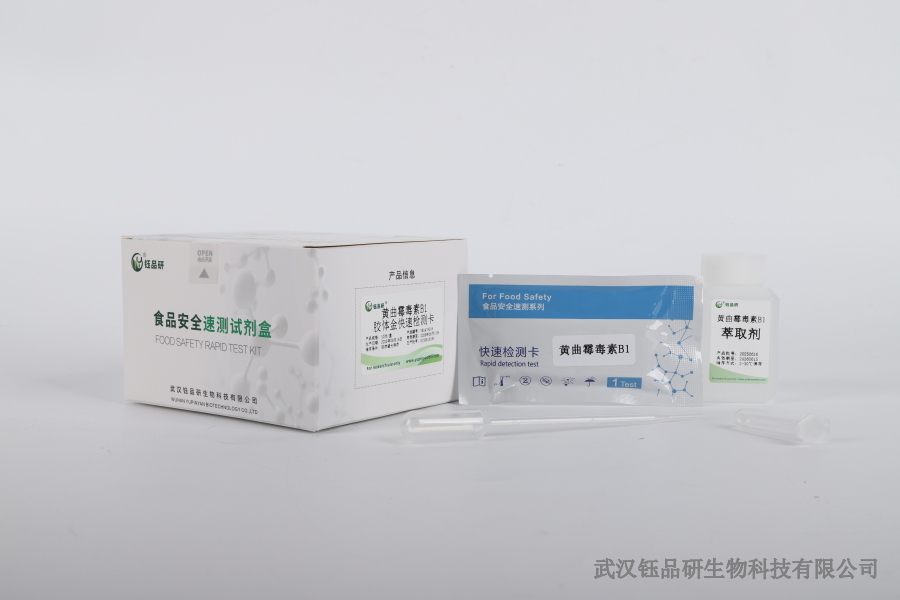
In order to effectively monitor triazophos residues in food, the food safety rapid detection reagent developed by Wuhan Yupinyan Bio can realize the rapid screening of triazophos in samples through simple operation, helping enterprises and regulatory departments to detect excessive risks in a timely manner and control food safety from the source. Based on the principle of antigen-antibody specific reaction, these reagents can give test results in a short time, providing technical support for ensuring public dietary safety.
To sum up, excessive triazophos, whether short-term exposure or long-term intake, will pose a direct or potential threat to human health. Timely identification of excessive risks through scientific testing means is the key to preventing the harm of triazophos. Wuhan Yupinyan Bio is willing to use professional and rapid detection reagents to help build a strong food safety defense line and protect the health rights and interests of consumers.