简体中文
简体中文 Shqip
Shqip لالعربية
 Polski
 رسی
رسی Deutsch
 Русский
 Français
 한국어
한국어 Nederlands
 Čeština
 Bahasa Melayu
 Português
 日本語
日本語 Svenska
 Kiswahili
 ไทย
ไทย Türkçe
 繁体中文
繁体中文 Українська
 Español
 Italiano
 हिन्दी
 Bahasa Indonesia
 Tiếng Việt
 Filipino
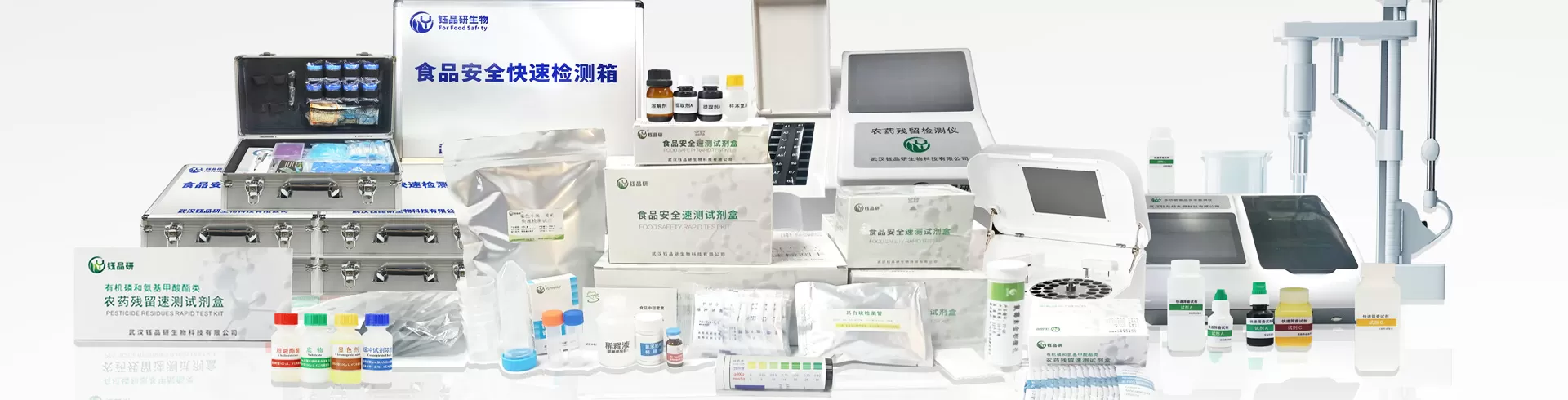
As a broad-spectrum organophosphorus insecticide, triazophos is widely used in agricultural production to control pests of rice, cotton, fruit trees and other crops. However, if its residues exceed the standard in food or the environment, it will pose a dual threat to ecological security and human health. As a Wuhan Yupin Research Organism focusing on the research and development of food safety rapid detection reagents, we need to deeply analyze the hazard chain of triazophos exceeding the standard, so as to provide a scientific basis for accurate prevention and control.
Direct Hazards of Triazophos Excessive to Food Safety
Excessive triazophos in food are mainly caused by improper use of pesticides, insufficient application intervals or pollution during processing. After the human body ingests excessive triazophos, it will directly interfere with nerve signal transmission by inhibiting cholinesterase activity. Short-term exposure may cause symptoms of poisoning such as nausea, vomiting, dizziness, headache, and muscle tremor, which can lead to respiratory failure in severe cases; long-term low-dose exposure can damage the nervous system and increase the risk of cognitive impairment and child stunting. In addition, triazophos is fat-soluble and easy to accumulate in animals and plants, especially in aquatic organisms and crops, which further expands the hidden dangers of food safety.environmental chain reaction caused by excessive triazophos
Excessive application of triazophos in agricultural production not only contaminates food, but also has a lasting impact on the ecological environment. Triazophos in soil can penetrate into groundwater through leaching, pollute drinking water sources, inhibit soil microbial activity, destroy soil ecological balance, and affect plant root development. Triazophos residues in water bodies are significantly toxic to non-target organisms such as fish and amphibians, which may lead to nervous system disorders, decreased reproductive capacity, and then break the natural cycle of the food chain. In addition, triazophos will also spread to non-farmland areas through atmospheric deposition, posing a potential threat to ecosystems such as forests and grasslands, forming a cross-regional environmental risk chain of "pollution-migration-enrichment".the necessity of scientific detection and risk prevention and control
In the face of the dual threat posed by excessive triazophos, establishing a rapid and accurate detection system is the key to prevention and control. The food safety rapid detection reagent developed by Wuhan Yupinyan Bio can complete the qualitative and quantitative detection of triazophos residues in food and environmental samples in a short time by relying on specific antigen antibody reaction technology, providing efficient screening tools for regulatory authorities and helping enterprises implement their main responsibilities. By timely detecting and controlling the risk of exceeding the standard, it can not only ensure the safety of consumers' diet, but also reduce the pollution of triazophos to the ecological environment from the source, and realize the coordinated development of agricultural production and ecological protection.solve the problem of triazophos exceeding the standard, it is necessary to make multi-dimensional efforts from source control, technical testing and policy supervision. Wuhan Yupinyan Bio will continue to deepen the research and development of rapid detection technology and contribute to the construction of a safe and sustainable agricultural ecology.