
 简体中文
简体中文 Shqip
Shqip لالعربية
 Polski
 رسی
رسی Deutsch
 Русский
 Français
 한국어
한국어 Nederlands
 Čeština
 Bahasa Melayu
 Português
 日本語
日本語 Svenska
 Kiswahili
 ไทย
ไทย Türkçe
 繁体中文
繁体中文 Українська
 Español
 Italiano
 हिन्दी
 Bahasa Indonesia
 Tiếng Việt
 Filipino
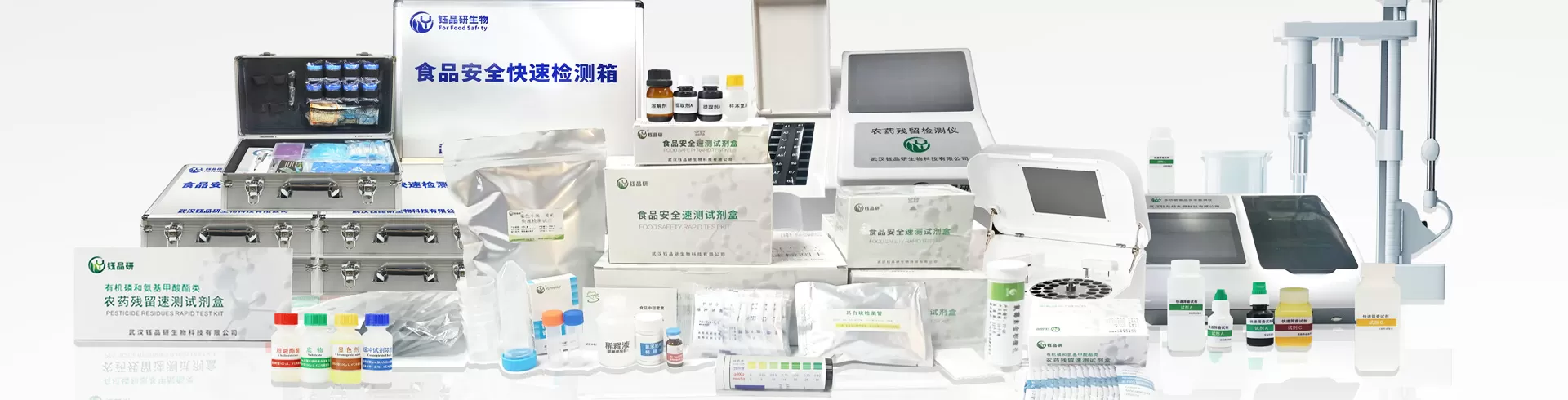
Food is the foundation of people's lives, and its safety has attracted much attention. During the planting, processing and storage of agricultural products, some pesticide residues may lead to hidden dangers in food safety. Among them, potassium triazophos, as one of the common pesticide ingredients, may pose a potential threat to human health if the residues exceed the standard in food. Therefore, timely identification of potassium triazophos residues and emergency remedial measures are the key links to ensure food safety.
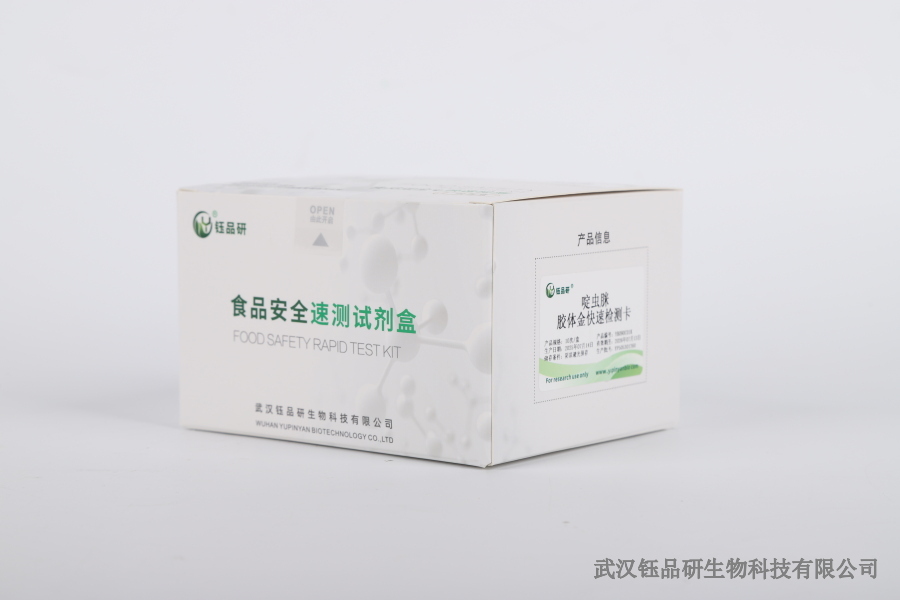
excessive residues of potassium triazophos will affect the food safety, and long-term intake may cause damage to the nervous system, liver and other organs. In order to avoid excessive residues entering the market, it is essential to quickly and accurately detect the content of potassium triazophos in food. As a professional food safety rapid detection reagent R & D and production enterprise, Wuhan Yupinyan Bio is well aware of the core role of testing in food safety control. The rapid detection reagent developed by it can help users screen for triazophos and potassium residues in samples in a short time, providing a scientific basis for subsequent treatment.
When the detection finds that the triazophos and potassium residues exceed the standard, emergency remedial measures need to be taken according to the specific situation. First, the circulation and sales of relevant batches of food should be stopped immediately to prevent further spread risk. For planting or breeding, the residual level can be evaluated under professional guidance. If the residual amount is high, physical adsorption (such as activated carbon treatment), biodegradation (such as decomposition of specific microorganisms or enzymes) should be considered to reduce the residue; if it is a processing link, the residual impact can be reduced through reasonable process adjustments (such as high temperature treatment, prolonging fermentation time, etc.).
Accurate detection is the premise in the entire emergency remediation process. Wuhan Yu Pin Research Biological's food safety rapid detection reagent adopts advanced immunochromatography, colloidal gold labeling and other technologies to quickly detect triphosphonazole potassium residues in food. It is easy to operate and has a short detection time, which can meet the needs of rapid screening on site or in the laboratory. By identifying residual risks in advance, enterprises or regulatory authorities can take timely measures to avoid the flow of substandard food to the market and effectively protect consumer dietary safety.


