简体中文
简体中文 Shqip
Shqip لالعربية
 Polski
 رسی
رسی Deutsch
 Русский
 Français
 한국어
한국어 Nederlands
 Čeština
 Bahasa Melayu
 Português
 日本語
日本語 Svenska
 Kiswahili
 ไทย
ไทย Türkçe
 繁体中文
繁体中文 Українська
 Español
 Italiano
 हिन्दी
 Bahasa Indonesia
 Tiếng Việt
 Filipino
Triazophos is an organophosphorus insecticide, which is widely used in agricultural production to control a variety of pests, but its residue may affect food safety. Understanding the metabolic excretion rules of triazophos after human ingestion is of great significance for assessing food safety risks and formulating prevention and control measures.
After triazophos enters the human body, its residual excretion time is affected by many factors. Generally speaking, in the case of short-term low-dose intake, triazophos and its metabolites will be gradually excreted from the body through urine, feces and other channels within a few hours to 1 day; while in long-term or high-dose intake, the excretion time of residual substances may be extended to several days or even longer. Individual differences such as metabolic ability, age, weight, etc. will also have a certain impact on the excretion time. People with strong metabolic function can usually excrete residues from the body faster.
From the perspective of metabolic laws, triazophos is first absorbed into the blood through the gastrointestinal tract after ingestion, and then distributed to the main metabolic organs such as the liver and kidneys. In the liver, triazophos will undergo metabolic processes such as oxidation and hydrolysis, and are converted into less toxic or non-toxic metabolites. These products are then filtered into the urine through the kidneys, or secreted into the intestines through bile, and finally excreted in the feces. During the entire metabolic process, some incomplete metabolized triazophos will continue to release residues. Therefore, when detecting the residual concentration, it is necessary to comprehensively judge the intake time, dose and metabolic
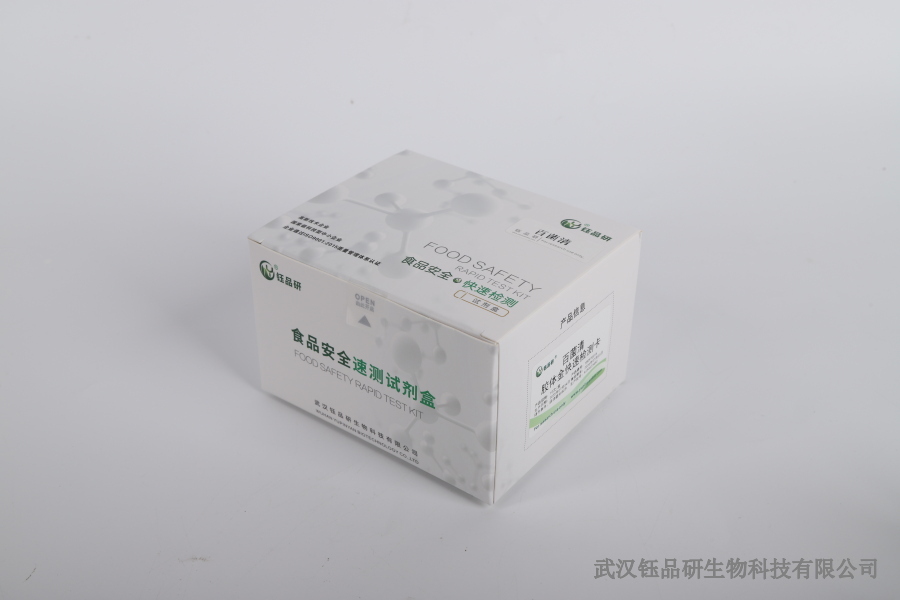
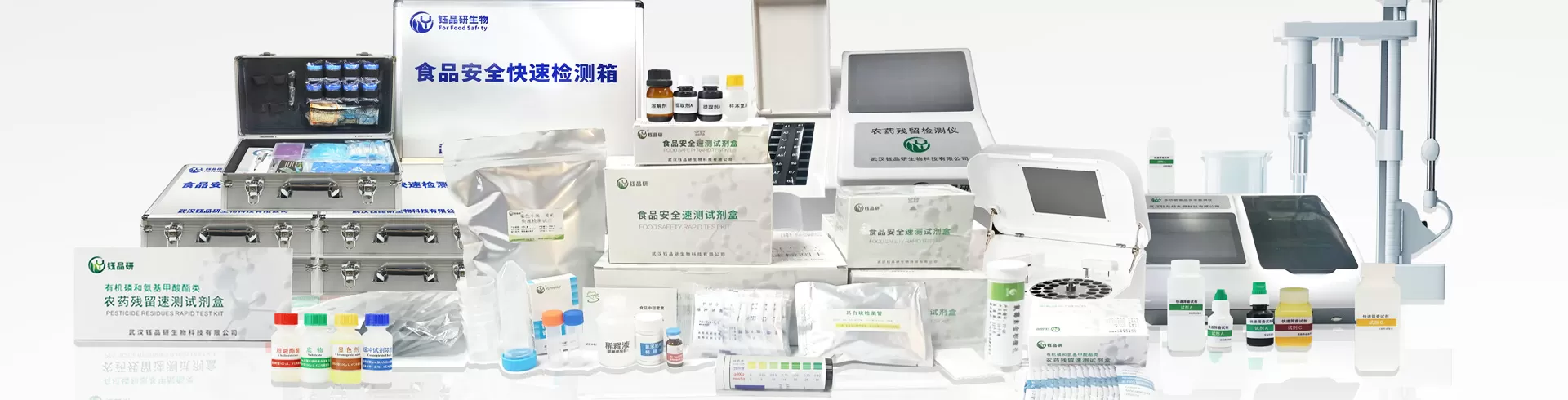
Wuhan Yupinyan Bio, as an enterprise focusing on the research and development of food safety rapid detection reagents, produces detection products that can quickly screen for triazophos residues in food. Through accurate detection technology, it can provide reliable data support for food production, processing and supervision in a short time, help enterprises find residues exceeding the standard in time, and avoid unqualified products entering the market, so as to effectively protect consumers' dietary safety.