简体中文
简体中文 Shqip
Shqip لالعربية
 Polski
 رسی
رسی Deutsch
 Русский
 Français
 한국어
한국어 Nederlands
 Čeština
 Bahasa Melayu
 Português
 日本語
日本語 Svenska
 Kiswahili
 ไทย
ไทย Türkçe
 繁体中文
繁体中文 Українська
 Español
 Italiano
 हिन्दी
 Bahasa Indonesia
 Tiếng Việt
 Filipino
Triazophos is a commonly used organophosphorus insecticide in agricultural production. It is widely used to control pests on a variety of crops such as rice, cotton, and fruit trees. While ensuring crop yield, its residue problem has also attracted much attention. Many farmers and consumers will wonder: Is triazophos residue high or low? The answer to this question is not absolute, but is closely related to a variety of factors such as planting environment and management methods, among which the difference between different planting modes (open-air planting and greenhouse planting) is particularly critical.
The level of triazophos residue is affected by many factors. The first is the standard of pesticide use, including application dose, application frequency, application period, etc. If used according to the recommended dose and safety interval, the residue risk is usually low; on the contrary, excessive or illegal use may lead to excessive residue. Secondly, the characteristics of the crop itself will also affect the residues. For example, some crops have developed root systems or thinner epidermis, which may absorb more pesticides. In addition, environmental conditions are equally important, such as temperature, humidity, light intensity, etc., which will affect the degradation rate of pesticides - in high temperature and high humidity environments, some pesticides may decompose faster, while in low temperature and dry environments, degradation may be delayed, resulting in residue accumulation.
There are obvious differences in environmental control and management methods between open-air planting and greenhouse planting, which directly leads to differences in triazophos residues. Open-air planting is greatly affected by the natural environment: on the one hand, rain initializing and direct sunlight will accelerate the decomposition of pesticides, especially in areas with heavy rain or strong light, and the residue may be relatively low; on the other hand, open-air environment is well ventilated, and pesticides evaporate faster, which will also reduce residue accumulation. However, open-air planting may also experience dry weather after application, resulting in prolonged retention time of pesticides in the soil, which indirectly affects crop absorption.
greenhouse planting is relatively controllable but also limited due to its closed characteristics: the temperature and humidity in the greenhouse are usually high and stable, the ventilation is poor, and the evaporation of pesticides is blocked, which may lead to accelerated residue accumulation. At the same time, the growth cycle of crops in the greenhouse is relatively short. If the application time is close to the harvest, the pesticides may not be fully degraded, and the risk of residue is relatively high. However, greenhouse planting can reduce the residual amount to a certain extent and make the residual level more stable through precise regulation of the environment (such as artificial ventilation, temperature adjustment) and application time.
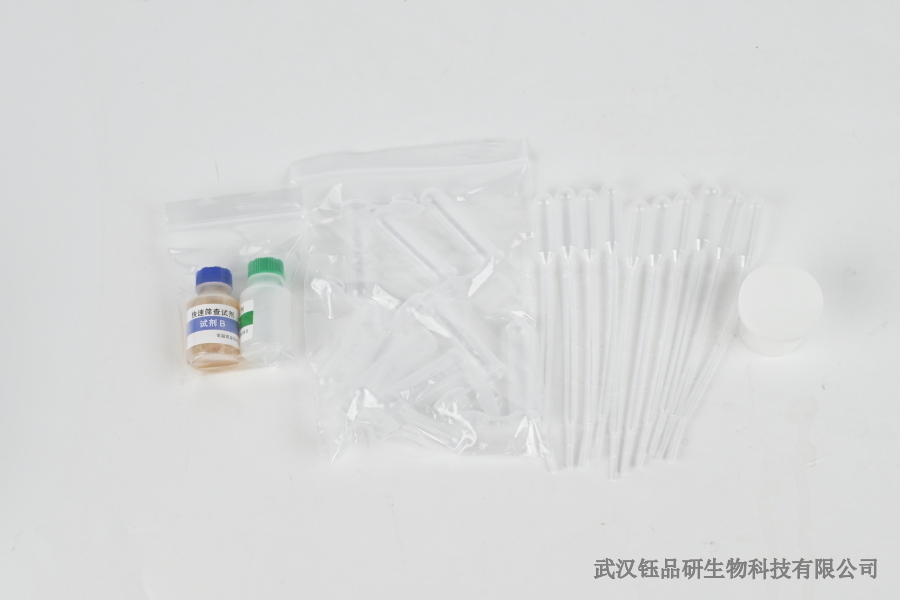
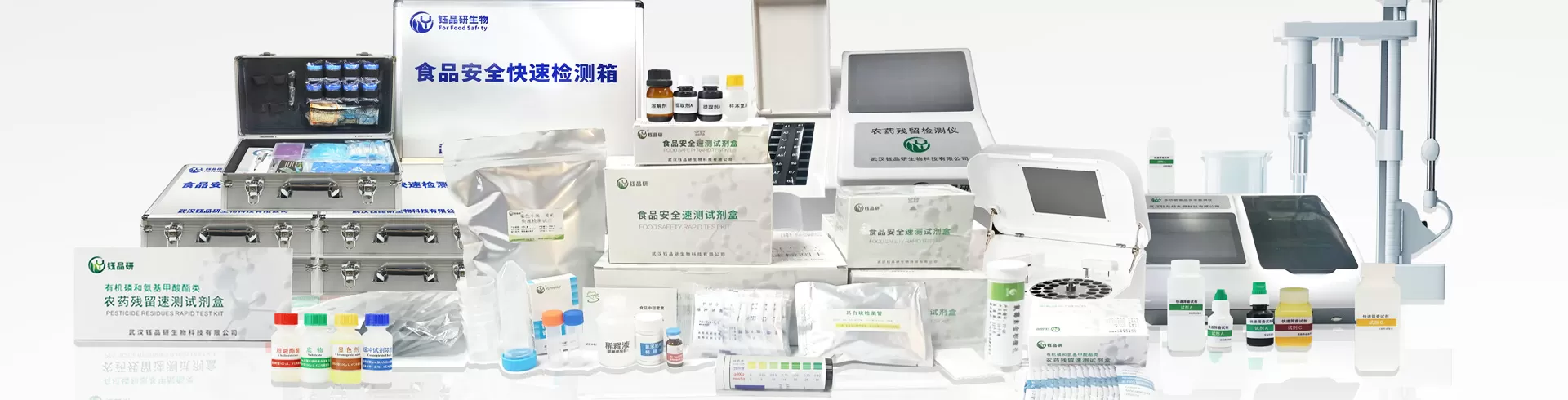
Whether it is open-air or greenhouse planting, accurate detection of triazophos residues is a key link to ensure the safety of agricultural products. Timely grasp of the residue situation can not only help farmers to scientifically adjust the planting management strategy, avoid economic losses due to excessive residues, but also provide consumers with safe and reliable agricultural products. Wuhan Yupinyan Bio focuses on the field of food safety rapid detection. The developed triazophos rapid detection reagent can complete the screening of residues in samples in a short time. The operation is simple and the detection results are accurate, providing efficient technical support for agricultural production and food safety supervision.