简体中文
简体中文 Shqip
Shqip لالعربية
 Polski
 رسی
رسی Deutsch
 Русский
 Français
 한국어
한국어 Nederlands
 Čeština
 Bahasa Melayu
 Português
 日本語
日本語 Svenska
 Kiswahili
 ไทย
ไทย Türkçe
 繁体中文
繁体中文 Українська
 Español
 Italiano
 हिन्दी
 Bahasa Indonesia
 Tiếng Việt
 Filipino
Food safety is a major issue related to the national economy and people's livelihood. As the first pass to ensure food quality, the accuracy and efficiency of the detection work directly affect the follow-up circulation and food safety. In rice procurement, triazophos, as a common organophosphorus insecticide, can effectively control pests and diseases, but excessive or unreasonable use may lead to excessive residues and latent risks to human health. Therefore, the establishment of a rapid screening mechanism for triazophos in rice procurement is of great significance for ensuring food quality and safety from the source.
Effect of Triazophos on Rice Quality and Necessity of Detection
Triazophos mainly plays an insecticidal role by inhibiting the activity of acetylcholinesterase in insects, and is widely used in rice cultivation to control pests such as rice leaf roll borer and chemical borer. However, if the dosage exceeds the specified standard or the safety interval is not reached before harvest, triazophos will remain in rice. After the excessive residue of triazophos enters the human body, it may cause nausea, vomiting, dizziness and other poisoning symptoms, and long-term consumption may also cause chronic damage to the nervous system and digestive system. Therefore, the detection of triazophos residues in rice in the grain purchase process is a key measure to prevent unqualified grain from entering the market, which can not only protect the health of consumers, but also avoid the loss of downstream processing enterprises due to raw material quality problems.
Demand and Significance of Rapid Screening in Grain Acquisition
Grain acquisition sites often face the characteristics of large acquisition volume and time concentration. Although traditional laboratory testing methods (such as gas chromatography-mass spectrometry technology) have high accuracy, they require professional equipment, complex pretreatment and long detection cycles (usually hours to days), which are difficult to meet the needs of rapid decision-making at acquisition sites. By simplifying the operation process and shortening the detection time, the rapid screening method can issue preliminary results within a few minutes to half an hour, helping the acquirer to quickly judge whether the quality of rice is qualified, remove the excessive samples in time, effectively improve the acquisition efficiency and reduce the economic disputes caused by quality disputes. At the same time, rapid screening can provide real-time data support for the acquirer, which is convenient for dynamically adjusting the acquisition strategy and ensuring the orderly progress of the acquisition work.
the characteristics of the rapid detection method of triazophos in rice
The rapid detection method of triazophos in rice is usually based on the technical principles of immunochromatography, colloidal gold labeling or enzyme inhibition, and has the remarkable characteristics of simple operation, high sensitivity and fast detection speed. For example, colloidal gold immunochromatography forms a reaction strip by combining specific antibodies with triazophos antigen. Just add reagents after processing the rice sample, and observe the color development of the test strip within a specified time to judge the result. The whole process does not require complex instruments, and a staff member can complete the detection in a few minutes. Such methods can also achieve accurate identification of low-concentration triazophos residues by optimizing the reagent formula, meet the basic requirements for detection accuracy in the acquisition process, and avoid missed detection or misjudgment.
Wuhan Yupinyan Bio helps the accurate detection of rice acquisition process
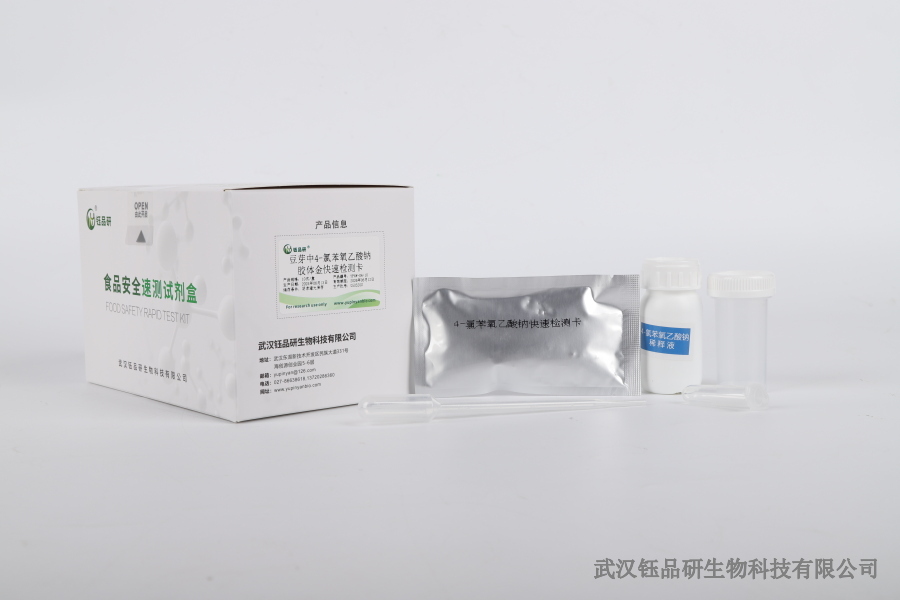
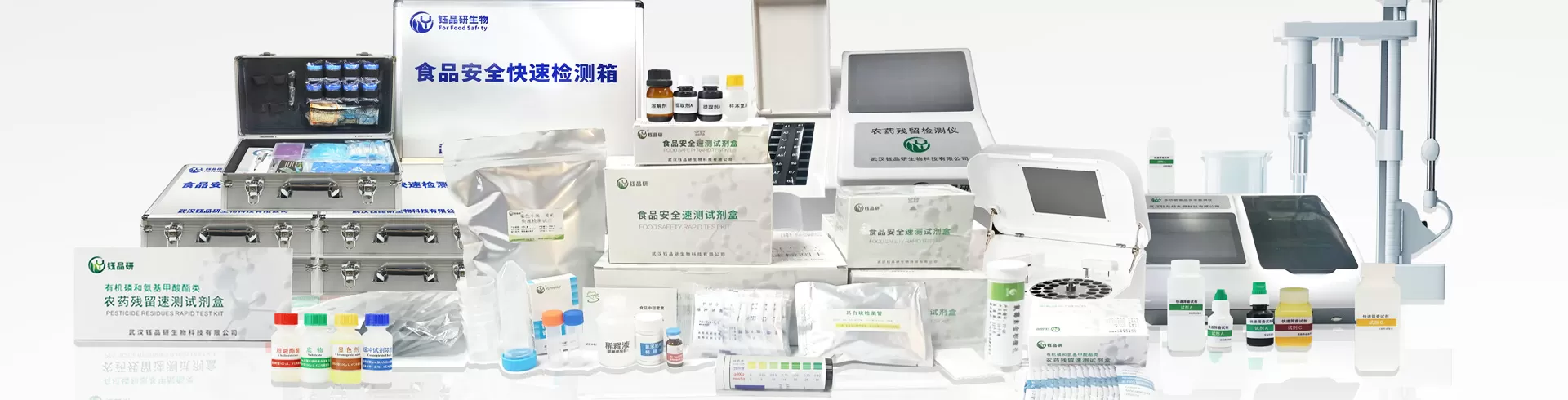
Wuhan Yupinyan Bio focuses on the research and development and production of food safety rapid detection reagents. In response to the demand for triazophos detection in the rice acquisition process, it has successfully launched a supporting rapid detection kit. The kit adopts advanced immune competition principle to specifically identify triazophos residues. The detection process does not require professional training. Only a small amount of rice samples can be screened within 20 minutes, and the results are accurate and reliable. By using it in conjunction with the acquisition of on-site testing equipment, it can effectively improve the detection efficiency, help the acquisition personnel to quickly identify the risk rice, and ensure that each batch of rice entering the market meets the quality and safety standards. Wuhan Yupinyan's detection reagents are known for their strong stability and high anti-interference ability. They have been widely used in food procurement, agricultural quality inspection and other scenarios, contributing to the protection of food security.