简体中文
简体中文 Shqip
Shqip لالعربية
 Polski
 رسی
رسی Deutsch
 Русский
 Français
 한국어
한국어 Nederlands
 Čeština
 Bahasa Melayu
 Português
 日本語
日本語 Svenska
 Kiswahili
 ไทย
ไทย Türkçe
 繁体中文
繁体中文 Українська
 Español
 Italiano
 हिन्दी
 Bahasa Indonesia
 Tiếng Việt
 Filipino
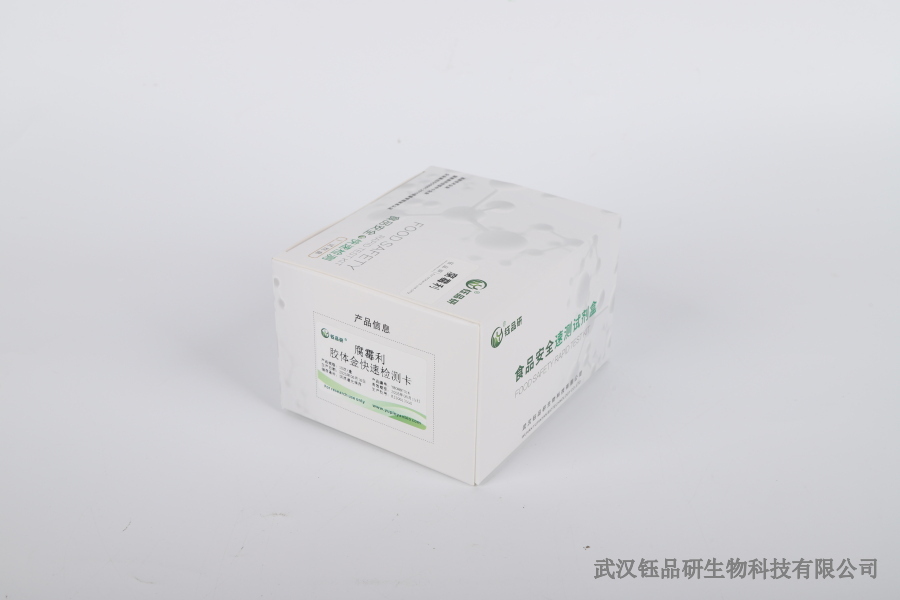
When using triazophos rapid test paper, improper operation can easily lead to errors in the test results, which affects the accuracy of food security evaluation. Wuhan Yupinyan Bio, as an enterprise focusing on the research and development and production of food safety rapid test reagents, is here to sort out the key details of avoiding errors in the use of triazophos test paper for you, help users standardize the operation, and ensure the reliability of the test results.
sample collection and processing need to be standardized
the sample is the direct source of the test results. If there is a deviation in the sample collection and processing link, it is easy to lead to errors. Before testing, make sure that the sample to be tested has no impurities visible to the naked eye. If it is a solid sample (such as vegetables and fruits), it needs to be cleaned and drained first, and then ground or homogenized according to the instructions to ensure the uni The liquid sample needs to be fully mixed to avoid distortion of the test results due to local concentration differences. In addition, the sample should be used now. If it needs to be temporarily stored, it needs to be sealed and refrigerated (about 4 ° C) and stored for no more than 24 hours to avoid repeated freezing and thawing or long-term exposure to air to cause deterioration, which affects the stability of the detection reaction.
Strictly follow the test strip operation specification process
the standardization of the test strip operation is the core link to avoid errors. Before use, check whether the test strip packaging is in good condition and whether the valid period is within the specified range. It should be used immediately after opening to avoid the failure of the reagent due to moisture. During operation, it is necessary to strictly follow the instructions to control the amount of reagent, color development time and instrument matching (if supporting instruments are required). For example, some test strips need to use a special dropper to add reagents to ensure that the liquid completely infiltrates the reaction area of the test strip, and the insertion depth should not exceed the marking line; some test strips need to be shaken and mixed before standing for color development, and the shaking force needs to be moderate. Avoid severe shaking and cause solution splashing or test strip damage. Cross-contamination should be avoided during the detection process. Use independent containers to hold samples and reagents. Operating tools (such as droppers and pipettes) need to be dedicated and clean to prevent interference between different samples.
environmental conditions have a significant impact on the detection results
environmental temperature, humidity and light conditions directly affect the stability of the test strip and the reaction speed of color development. It is recommended to control the ambient temperature at 20-30 ° C and keep the humidity between 40% and 80%. Too high humidity may cause the test strip to absorb water in advance and fail. Too low humidity is easy to make the reagent volatilize and slow the color development reaction. At the same time, it is necessary to avoid direct sunlight in the detection area or close to the temperature fluctuation of the air conditioner, heat source and other locations to prevent local temperature changes from causing uneven color rendering. If the detection ambient temperature and humidity exceed the standard range, it is recommended to use constant temperature and humidity equipment to ensure that the whole process The environmental conditions are consistent and provide stable external support for the detection results.
the result interpretation needs to strictly control the time and the control
The result interpretation after the color development is completed is a high-incidence link of errors. It is necessary to compare the standard color card in the manual immediately after the color development reaction is completed to avoid oxidation and discoloration of the reagent due to prolonged time. For example, most test strip color development reactions are completed within 5-10 minutes, and the results may deviate from the true value after more than 15 minutes. When interpreting, a uniform light source (such as natural light or standard color development lamps) should be selected to avoid direct light or shaded environments. Subjective judgments should be compared with the color card. Conclusions should not be based on experience or local color differences. In addition, it is recommended to set up negative control and positive control simultaneously for each test. The correctness of the test strip performance and operation process should be verified by the comparison results. If the control results are abnormal, the quality of the test strip or operation errors should be investigated, and the sample results should be judged after re-testing.
common error causes and preventive measures
If the test results are deviated from the expected, the following aspects can be investigated: sample contamination (such as unclean containers, contaminated reagents), irregular operation (such as insufficient reagent dosage, short color development time), environmental fluctuations (such as abnormal temperature, excessive humidity), instrument or test paper failure (such as test paper expired, instrument failure). In response to these problems, it is recommended to check the sample status again before testing, strictly calibrate environmental parameters, and regularly check the effectiveness of test paper and supporting reagents. Wuhan Yupinyan Biological reminds that the correct use of rapid detection reagents not only depends on product quality, but also requires operators to follow standardized processes, reduce errors through detailed control, and provide reliable data support for food safety supervision and production.