
 简体中文
简体中文 Shqip
Shqip لالعربية
 Polski
 رسی
رسی Deutsch
 Русский
 Français
 한국어
한국어 Nederlands
 Čeština
 Bahasa Melayu
 Português
 日本語
日本語 Svenska
 Kiswahili
 ไทย
ไทย Türkçe
 繁体中文
繁体中文 Українська
 Español
 Italiano
 हिन्दी
 Bahasa Indonesia
 Tiếng Việt
 Filipino
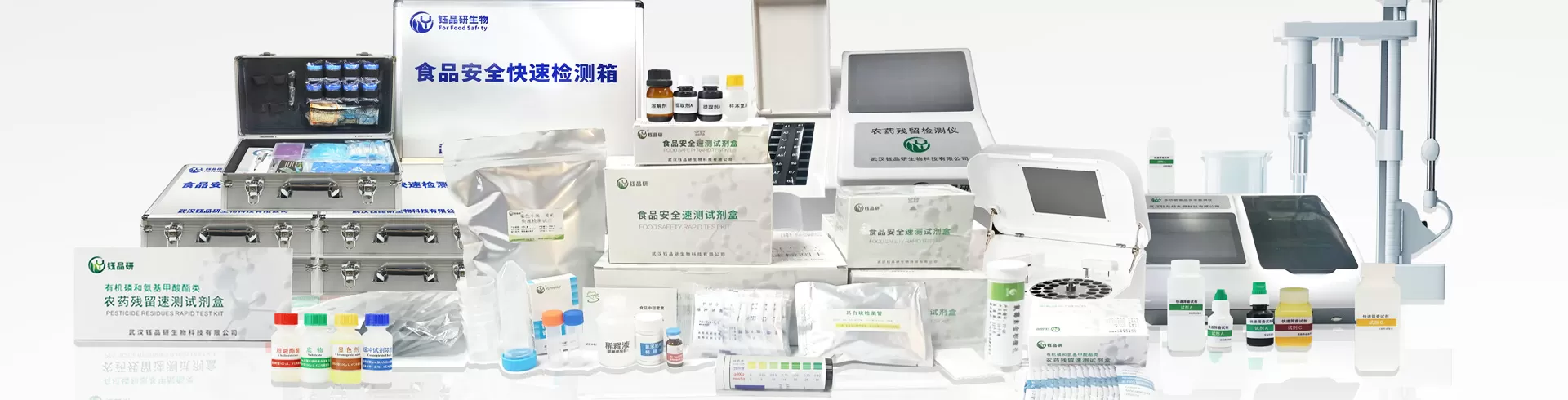
Tangerine peel, as a Chinese herbal medicine homologous to medicine and food, has been widely used in both traditional health care and modern medicine. However, with the popularity of pesticide use in agricultural production, the problem of pesticide residues in Chinese herbal medicines has gradually become prominent, and the detection of triazophos residues is particularly critical. Triazophos, as a high-efficiency organophosphorus insecticide, is widely used to control crop diseases and insect pests. If the residues in Chinese herbal medicines such as tangerine peel exceed the standard, it will not only affect the quality of the herbs, but also cause latent risks to human health.
the potential harm of triazophos to Chinese herbal medicines and the human body
Triazophos has strong neurotoxicity. If the residues in Chinese herbal medicines exceed the standard, long-term consumption may interfere with the function of In addition, its residues may also accumulate through the food chain, posing a threat to the ecological environment. Therefore, it is crucial to establish a rapid and accurate detection method for triazophos residues to ensure the quality and safety of Chinese medicinal materials.
the limitations of traditional detection methods in the detection of Chinese medicinal materials triazophos
Traditional triazophos detection relies on gas chromatography-mass spectrometry (GC-MS) or high-performance liquid chromatography (HPLC) and other large-scale instruments. Although the detection accuracy is high, there are problems such as complicated operation, professional personnel, long detection period (usually several hours to one day), and high equipment cost. For the samples of Chinese herbal medicines such as tangerine peel, the substrate is complex (containing polysaccharides, flavonoids and other components), and the traditional method is easily disturbed by the substrate. It requires complex pretreatment before detection, which is difficult to meet the needs of rapid screening or large-scale sampling.
Wuhan Yupinyan biological triazophos residue exclusive detection program advantages
for Chinese herbal medicines (especially tangerine peel) in the pain point of triazophos residue detection, Wuhan Yupinyan biological research and development of a special food safety rapid detection reagent, the program based on colloidal gold immunochromatography technology, has the following significant advantages: easy to operate, no complex equipment, only simple pretreatment (such as sample extraction) and reagent incubation, within 15 minutes to complete the detection; specificity, for triazophos residue highly specific identification, effective exclusion of Chinese herbal medicine matrix interference; high sensitivity, detection limit up to μg/kg level, to meet the requirements of Chinese herbal medicine safety standards; fast and efficient, from sample pretreatment to result interpretation of the whole process is fast, suitable for enterprise self-inspection, market supervision and circulation link rapid screening.
the practical application value of the triazophos detection scheme
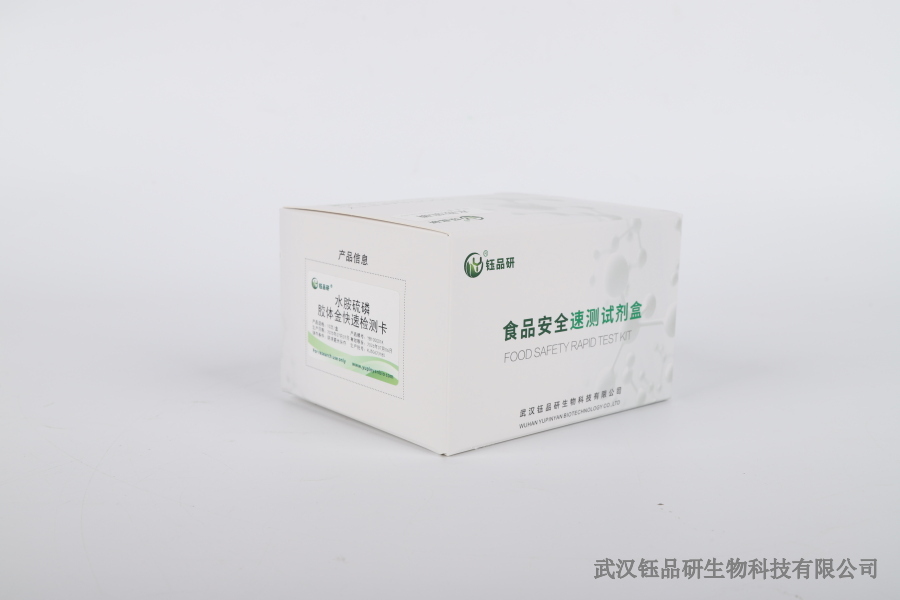
the triazophos residue detection scheme of Wuhan Yupinyan Biology, which provides a powerful tool for the quality and safety control of Chinese herbal medicines such as tangerine peel by simplifying the detection process and improving the detection efficiency. In the production process, enterprises can use this scheme to quickly check the triazophos residues in raw materials to ensure the quality of tangerine peel; in the circulation process, the regulatory authorities can use its convenience to carry out on-site sampling and timely intercept unqualified products; at the same time, consumers can also obtain safer Chinese herbal medicine products by understanding the test results.


