
 简体中文
简体中文 Shqip
Shqip لالعربية
 Polski
 رسی
رسی Deutsch
 Русский
 Français
 한국어
한국어 Nederlands
 Čeština
 Bahasa Melayu
 Português
 日本語
日本語 Svenska
 Kiswahili
 ไทย
ไทย Türkçe
 繁体中文
繁体中文 Українська
 Español
 Italiano
 हिन्दी
 Bahasa Indonesia
 Tiếng Việt
 Filipino
With the large-scale development of modern agriculture, the quality of soil, as the foundation of crop growth, is directly related to the safety and quality of fruits and vegetables. Among them, cadmium pollution has become an important hidden danger threatening the safety of fruit and vegetable planting due to its strong concealment and high accumulation. Scientific testing of soil in fruit and vegetable planting bases can not only achieve early warning of cadmium pollution, but also provide a clear judgment basis for crop safe harvesting, which is a key link to ensure the safety of agricultural products from source to table.
the necessity of soil cadmium pollution testing in fruit and vegetable planting bases
Soil cadmium pollution mainly comes from industrial waste gas, waste residue emissions, and long-term application of agricultural inputs such as cadmium-containing fertilizers and pesticides. Cadmium is not easily degraded in soil, and will accumulate continuously through the soil-crop system. Once it enters the body of fruits and vegetables, it will accumulate through the food chain, causing potential harm to human health, such as damage to kidney function and bone metabolism. Therefore, regular testing of cadmium pollution in the soil of planting bases is a necessary means to detect pollution risks in time and avoid planting risks. It can help growers take improvement measures before pollution spreads and avoid economic losses.
Key indicators and methods of soil cadmium pollution early warning
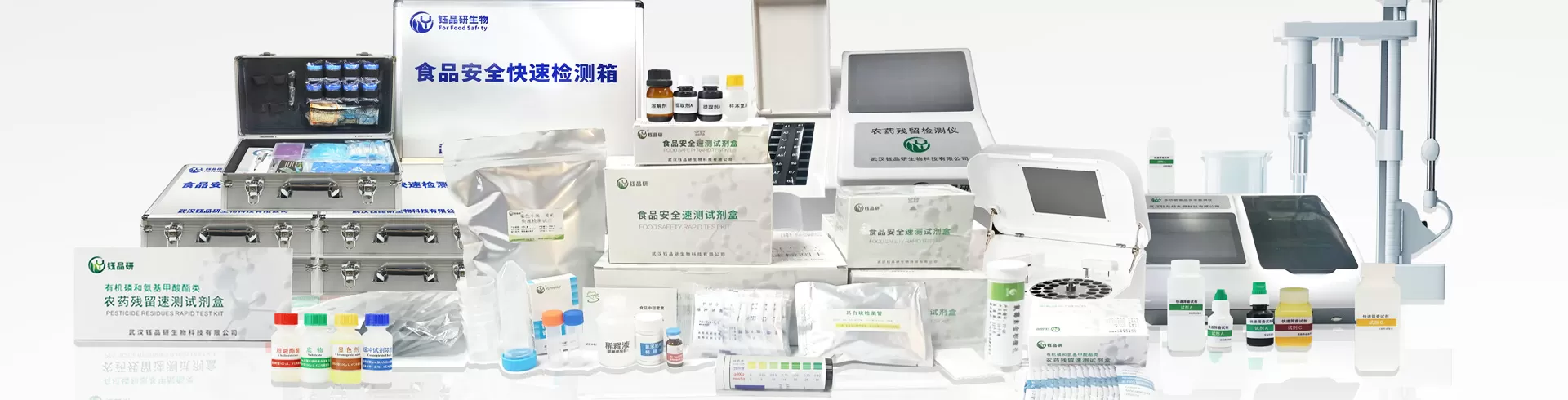
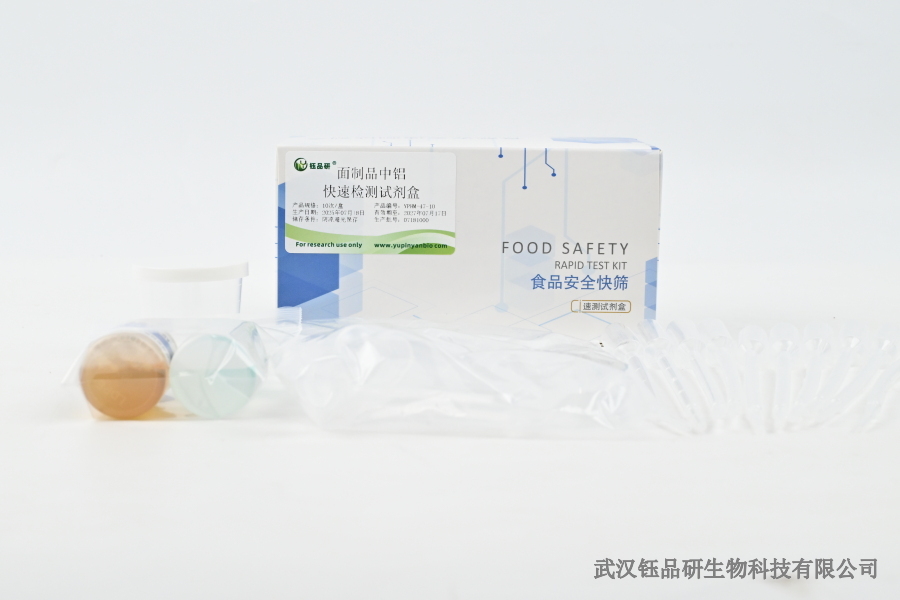
The core of soil cadmium pollution early warning is to accurately detect the content of cadmium in the soil. Although traditional detection methods can obtain accurate data, they often require laboratory equipment and a long time, which is difficult to meet the needs of rapid decision-making in the field. As an enterprise focusing on the research and development of food safety rapid detection reagents, Wuhan Yupinyan Bio has developed a soil cadmium rapid detection reagent, which can be easily operated to achieve on-site detection in the field and obtain soil cadmium content data in a short time. When the test results exceed the soil environmental quality risk screening value, it can be determined that there is a risk of cadmium pollution, so as to start an early warning mechanism and guide growers to adjust planting strategies, such as suspending the planting of high-risk crops and increasing the application of improvers.
the scientific basis for the judgment of crop safety harvesting
The judgment of crop safety harvesting needs to be combined with the comprehensive evaluation of soil cadmium pollution level and cadmium content in crops. There are differences in the absorption and accumulation capacity of cadmium in different crops. For example, leafy vegetables have strong cadmium enrichment capacity, while some rhizome crops are According to the "National Food Safety Standards, Limits of Contaminants in Food" and other relevant regulations, it is necessary to strictly control the residual amount of cadmium in fruits and vegetables. Through the rapid detection reagent of Wuhan Yupinyan Bio, crop samples can be directly tested. When the test results reach the safety threshold, it can be determined that the crops meet the safe harvesting standards; if they exceed the standard, measures such as isolation and destruction need to be taken to avoid unqualified products from entering the market.
the application value of Wuhan Yupinyan Bio's rapid detection reagent
The food safety rapid detection reagent developed by Wuhan Yupinyan Bio has been widely used in the soil and crop detection of fruit and vegetable planting bases by virtue of its simple operation, fast detection and high accuracy. In the soil detection process, the reagent can help growers quickly screen the risk of cadmium pollution, and the field can complete the detection without professional laboratory support; before the crop is harvested, the cadmium content in the crop can be detected to assist in judging whether the safety standard is met. This "soil-crop" linkage detection mode provides an efficient tool for the safety management of fruit and vegetable planting bases, effectively reduces the food safety hazards caused by cadmium pollution, and helps to build a whole-process quality control system from planting to consumption.


