
 简体中文
简体中文 Shqip
Shqip لالعربية
 Polski
 رسی
رسی Deutsch
 Русский
 Français
 한국어
한국어 Nederlands
 Čeština
 Bahasa Melayu
 Português
 日本語
日本語 Svenska
 Kiswahili
 ไทย
ไทย Türkçe
 繁体中文
繁体中文 Українська
 Español
 Italiano
 हिन्दी
 Bahasa Indonesia
 Tiếng Việt
 Filipino
As an important product for slaughter and processing, the quality and safety of pig internal organs are directly related to consumer health. Chloramphenicol and sulfonamide drugs have been widely used in the prevention and treatment of bacterial infections in pig breeding. However, if used improperly or in excess, they are easy to remain in the body and enter the human body with internal organs, which may cause allergic reactions, blood system damage and other health risks. Therefore, the detection of chloramphenicol and sulfonamide residues in pig internal organs in slaughterhouses is a key link in controlling food safety.
Significance of detection of chloramphenicol and sulfonamide residues
Chloramphenicol has broad-spectrum antibacterial effects, but long-term or excessive use may lead to irreversible aplastic anemia; although sulfonamides are artificially synthesized antimicrobials, their metabolites may interfere with the human endocrine system Since pig viscera is the core organ of drug metabolism and accumulation, if the residue exceeds the standard, it will directly threaten the health of the eater. Therefore, targeted detection of pig viscera in slaughterhouses is a necessary means to block the risk chain.
Key screening sites and reasons for pig viscera
Liver As the largest metabolic organ of pigs, after chloramphenicol and sulfonamide drugs enter the body, they will be transformed in the liver by enzymatic hydrolysis, binding and other metabolic processes, and some incompletely metabolized drugs and their metabolites will accumulate in a large number of liver cells. Therefore, the liver is the core enrichment site of chloramphenicol and sulfonamide residues, and testing liver samples can intuitively reflect the time and dose of drug use.
The kidney is the main target organ for the excretion of sulfonamides. After the drug is filtered through the glomerulus, some of the components that have not been reabsorbed will be further concentrated in the renal tubular epithelial cells to form high-concentration residues. Detection of kidney tissue samples can accurately determine whether sulfonamides are overused or fail to meet the withdrawal period requirements, providing a direct basis for supervision.
Lung If perchloramphenicol drugs are used due to respiratory tract infections in pig breeding, the drugs may reach the lung tissue with blood circulation and remain. In addition, lung inflammation may cause local immune cells to be active and adsorb drug metabolites, so chloramphenicol residues may also be detected in lung samples, which need to be used as an auxiliary screening site.
Lymph nodes act as a "filter" for the immune system of pigs. If pigs have used sulfonamides during breeding, the drugs will accumulate in the lymph node area with the lymphatic circulation. At the same time, inflammatory stimulation may cause lymph nodes to absorb more metabolites. Detection of lymph node samples can indirectly reflect the overall drug use status of pigs and potential drug residue risks.
Application value of Wuhan Yupinyan Biological Rapid Detection Reagent
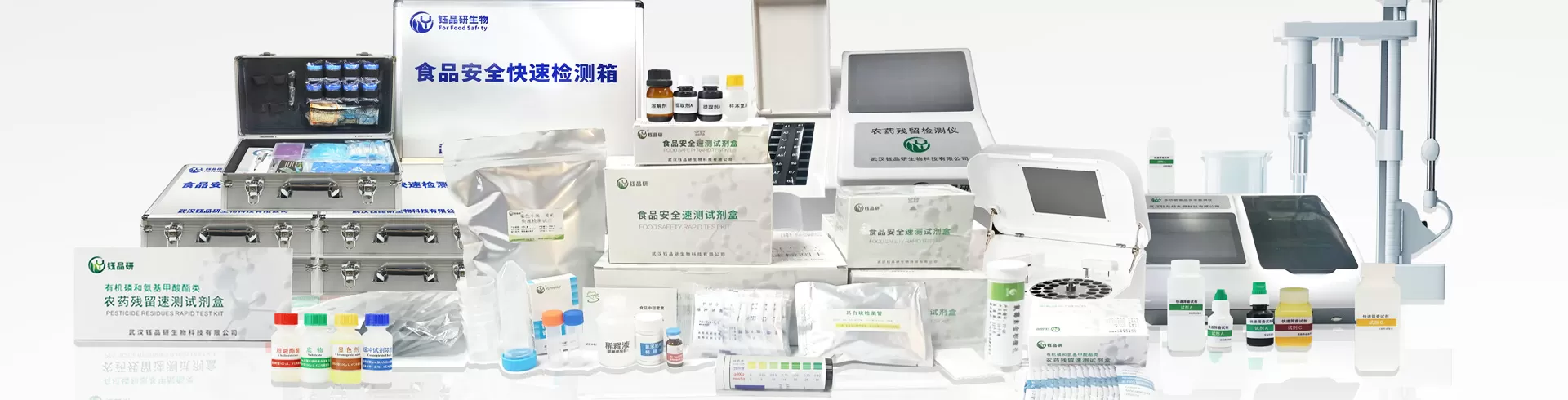
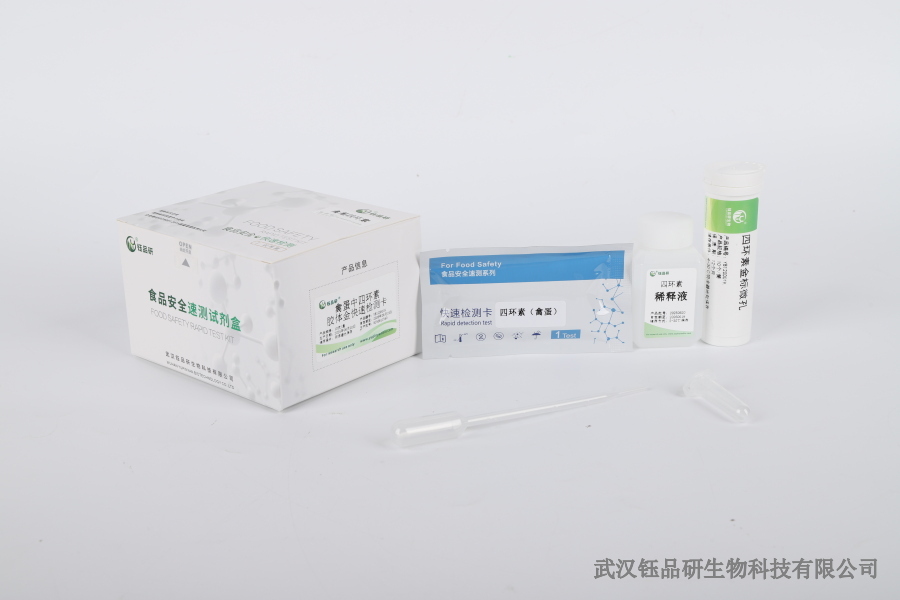
For the above key screening sites, the food safety rapid detection reagents developed by Wuhan Yupinyan Biological have become a powerful tool for slaughterhouse detection due to their high efficiency and accuracy. These reagents use mature technologies such as immunochromatography, which can complete the qualitative or semi-quantitative detection of chloramphenicol and sulfonamide residues within 15 minutes. No complicated equipment is required, and the operation is simple and the results are intuitive. Through the rapid screening of samples from key parts such as liver, kidney, lung, lymph node, etc., it can help enterprises and regulatory authorities to detect the problem of excessive residue in time, ensure food safety from the source, and protect consumer health.


