
 简体中文
简体中文 Shqip
Shqip لالعربية
 Polski
 رسی
رسی Deutsch
 Русский
 Français
 한국어
한국어 Nederlands
 Čeština
 Bahasa Melayu
 Português
 日本語
日本語 Svenska
 Kiswahili
 ไทย
ไทย Türkçe
 繁体中文
繁体中文 Українська
 Español
 Italiano
 हिन्दी
 Bahasa Indonesia
 Tiếng Việt
 Filipino
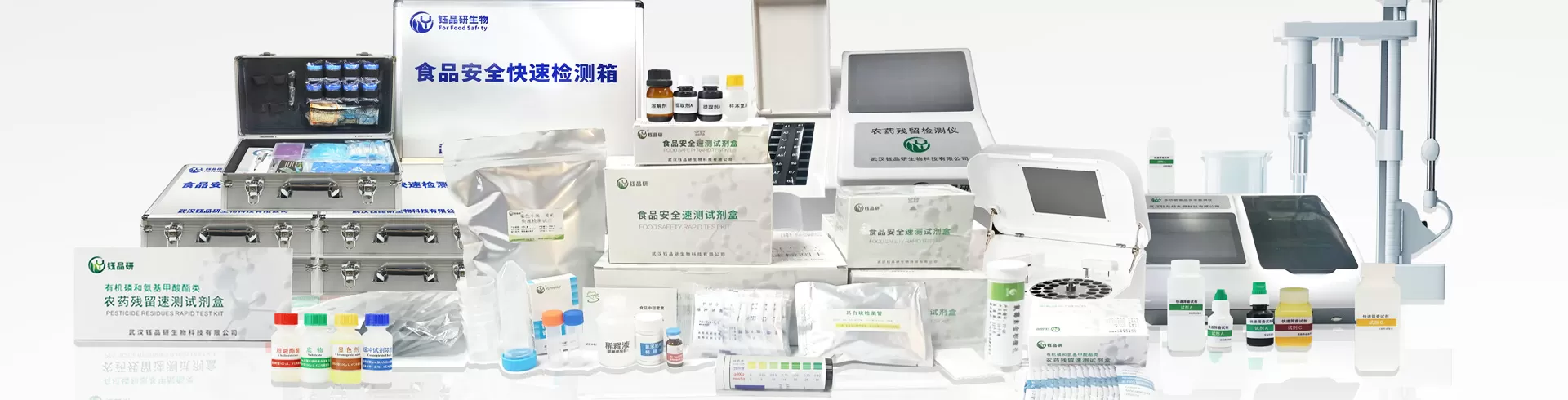
With the rapid development of the precast vegetable industry, consumers' requirements for product safety and quality are increasing day by day. As a key link to ensure the quality of precast dishes, the importance of raw material testing has become increasingly prominent. In the process of precast vegetable processing, the safety of raw materials directly determines the quality of the final product. Among them, the addition of sodium dehydroacetate and the compliance of veterinary drug residues are two core detection indicators. Simultaneous control of the two has become an inevitable requirement for the high-quality development of the industry.
Sodium dehydroacetate, as a common food preservative, is widely used in the processing of precast dishes to inhibit the growth of microorganisms, but its excessive addition may cause latent risks to human health. In traditional testing, the detection of sodium dehydroacetate relies on complex equipment such as high-performance liquid chromatography, which is not only cumbersome in the operation process, but also requires professional personnel to operate, which is difficult to meet the needs of enterprises for rapid screening. In terms of veterinary drug residue detection, animal-derived raw materials may cause excessive residues due to improper use of antibiotics and hormones during the breeding process. If they are not strictly tested and enter the market, they will pose a threat to consumer health and even cause allergic reactions or drug resistance.
In response to the above problems, the simultaneous control of sodium dehydroacetate and veterinary drug residues has become the key to improving the detection efficiency and accuracy. Single detection method often has the limitations of long cycle and high cost, and it is difficult to cover a variety of risk components. Synchronous detection technology can achieve simultaneous analysis of multiple targets in the same detection system by integrating detection principles and methods, greatly shortening detection time and reducing manpower and equipment costs. This integrated control model can help enterprises evaluate the safety of raw materials more comprehensively and avoid quality risks caused by detection omissions.
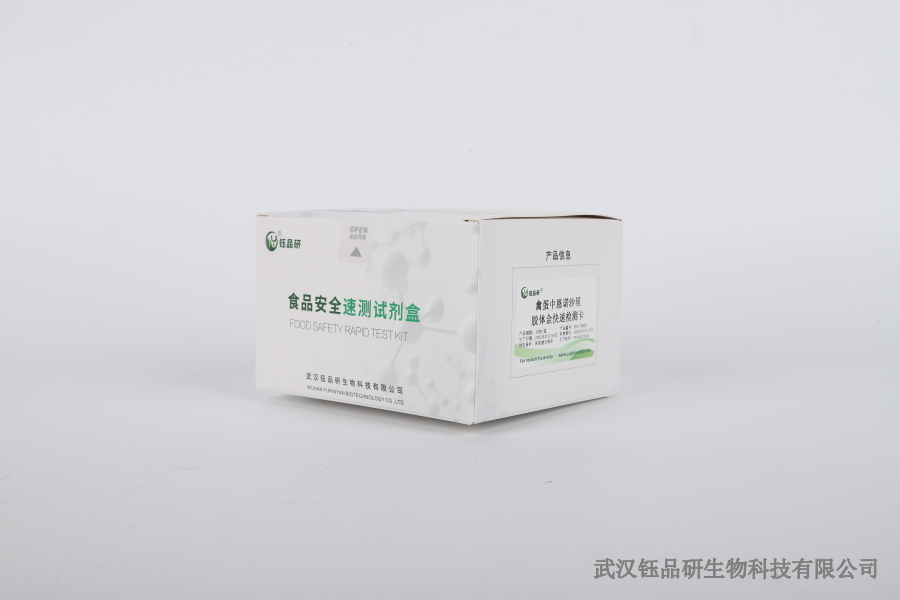
Wuhan Yupinyan Bio focuses on the research and development and production of food safety rapid detection reagents, and its related detection products can effectively realize the simultaneous detection of sodium dehydroacetate and veterinary drug residues. These reagents are based on the principle of specific binding of antigens and antibodies. Through simple pretreatment and rapid reaction processes, test results can be obtained in a short time without the need for complex equipment support. They are suitable for rapid screening and quality control at the production site of enterprises. For example, in the acceptance process of raw materials for prepared vegetables, enterprises can quickly determine whether the raw materials meet safety standards through this detection reagent, adjust purchasing decisions in a timely manner, and ensure product quality from the source.
To sum up, in the detection of raw materials for processed vegetables, simultaneous control of sodium dehydroacetate and veterinary drug residues is an important way to improve food safety and security capabilities. With its high efficiency and accuracy, Wuhan Yupinyan Biological's rapid detection reagents provide reliable technical support for the industry, help enterprises to achieve continuous optimization of product quality on the basis of compliance production, and promote the healthy and sustainable development of the precast vegetable industry.


