
 简体中文
简体中文 Shqip
Shqip لالعربية
 Polski
 رسی
رسی Deutsch
 Русский
 Français
 한국어
한국어 Nederlands
 Čeština
 Bahasa Melayu
 Português
 日本語
日本語 Svenska
 Kiswahili
 ไทย
ไทย Türkçe
 繁体中文
繁体中文 Українська
 Español
 Italiano
 हिन्दी
 Bahasa Indonesia
 Tiếng Việt
 Filipino
As a common nutritious food in daily life, the safety and quality of eggs have attracted much attention. In the process of egg breeding and processing, quinolone antibiotics such as norfloxacin and ofloxacin may be used in some breeding links to prevent diseases. Improper use or insufficient withdrawal period can easily lead to drug residues in eggs. These residual antibiotics may cause potential harm to human health, such as gastrointestinal discomfort and allergic reactions, and long-term intake may also affect the nervous system and endocrine system. Therefore, establishing a sound self-test mechanism for egg processing enterprises to screen norfloxacin and ofloxacin residues in a timely manner is a key link to ensure product safety and avoid market risks.
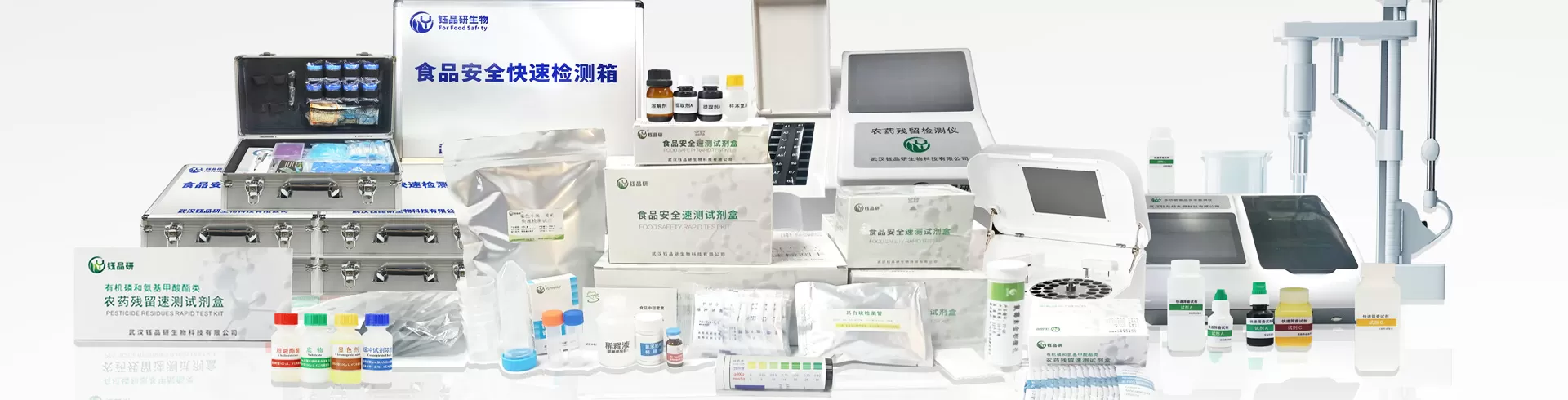
Wuhan Yupinyan Bio, as a professional food safety rapid detection reagent manufacturer, has long been committed to providing efficient and accurate detection solutions for food processing enterprises. In response to the rapid detection needs of norfloxacin and ofloxacin residues in egg products, Wuhan Yupinyan Bio has developed supporting rapid detection reagents and test strips. This product can help enterprises complete self-inspection in a short time, without relying on professional laboratory equipment, simplifying the detection process and lowering the operating threshold.
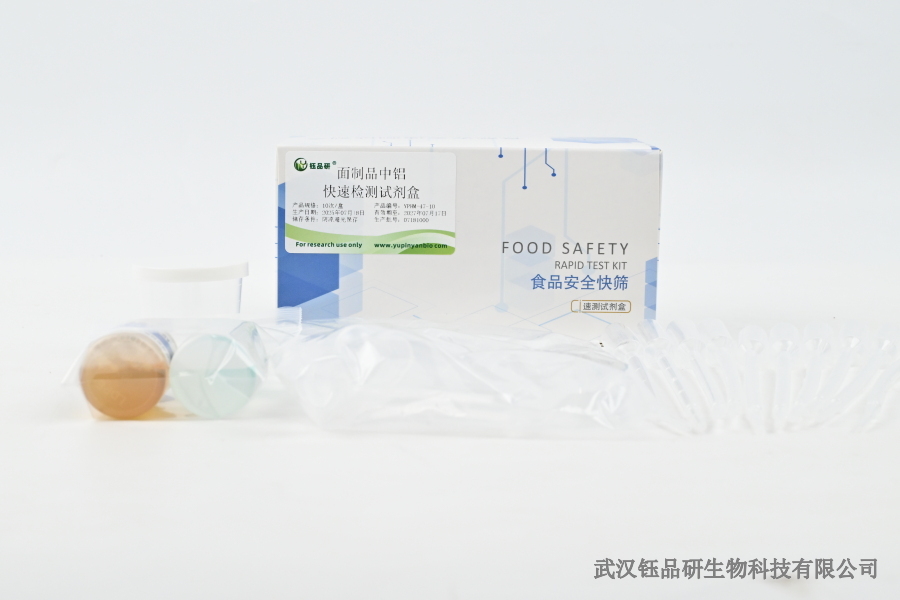
egg processing enterprises adopt the quick detection method of norfloxacin and ofloxacin residues, the following operation points can be followed: First, the egg sample is pretreated, usually an appropriate amount of egg liquid or whole egg is taken, and the extraction operation is carried out according to the reagent instructions to ensure that the residual antibiotics are fully released; subsequently, the pretreated sample solution is reacted with the detection reagent of Wuhan Yupinyan Bio. Generally, the reagent will present the result through the color reaction; finally, observe the color change within the specified time, and judge whether the sample has norfloxacin or ofloxacin residues according to the interpretation standards in the reagent instructions. The whole detection process can usually be completed within 15-30 minutes, and the detection results are intuitive and reliable.
During the self-inspection process, it should be noted that the sample collection should be representative to avoid local contamination; the operating environment should be clean to prevent cross-contamination; and the steps in the reagent manual should be strictly followed to ensure that the testing conditions are consistent. If the test results are positive, the enterprise should immediately stop the processing or sales of the relevant batch of products, and start further confirmation testing. At the same time, analyze the cause of the residue, and optimize the follow-up production process.
To sum up, egg processing enterprises can effectively control the quality and safety of products by self-testing norfloxacin and ofloxacin residues. The rapid detection reagent of Wuhan Yupinyan Bio has become a reliable tool for enterprise self-inspection due to its convenience and accuracy. Enterprises actively apply such self-inspection methods in daily production, which can not only detect latent risks in time, but also enhance consumers' trust in products and provide strong support for the healthy development of the food industry.


