
 简体中文
简体中文 Shqip
Shqip لالعربية
 Polski
 رسی
رسی Deutsch
 Русский
 Français
 한국어
한국어 Nederlands
 Čeština
 Bahasa Melayu
 Português
 日本語
日本語 Svenska
 Kiswahili
 ไทย
ไทย Türkçe
 繁体中文
繁体中文 Українська
 Español
 Italiano
 हिन्दी
 Bahasa Indonesia
 Tiếng Việt
 Filipino
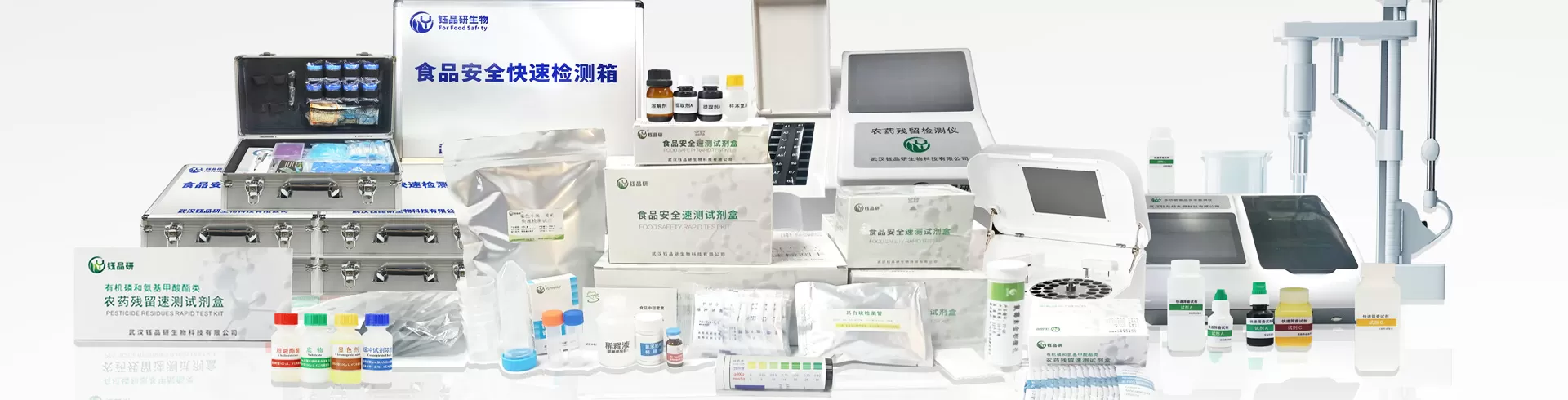
Feed raw materials are the foundation of animal husbandry production, and their safety and quality are directly related to animal health, breeding benefits and even end point food safety. In recent years, with the stricter supervision of the feed industry and the increasing attention of consumers to the quality of animal-derived products, the construction of raw material safety control system in feed mills has become increasingly important. Among them, antibiotics such as chlortetracycline and sulfonamide are commonly used additives or prohibited additives in feed, and their residues have attracted much attention - if these substances exceed the standard, they may not only destroy the balance of animal intestinal flora and lead to drug resistance problems, but also enter the human body through the food chain, posing a potential threat to consumer health. Therefore, the establishment of a scientific and efficient simultaneous detection scheme for chlortetracycline and sulfonamide residues is one of the core links in the safety control of raw materials in feed mills
the core significance of feed raw material safety control
feed factory raw material safety control is not a simple "qualified acceptance", but a quality assurance system that runs through the whole process from raw material procurement, warehousing to processing. In the raw material procurement stage, if it is not possible to quickly identify raw materials with excessive residues such as chloramphenicol and sulfonamide, it will directly lead to problems such as abnormal animal growth and drug residues in the downstream breeding process, and even cause food safety incidents. Therefore, rapid screening of raw materials before entering the factory has become the first line of defense. The key lies in whether accurate test results can be obtained in a short time to provide a basis for subsequent decision-making. Traditional detection methods often rely on large-scale laboratory equipment, the process is complicated and time-consuming, which is difficult to meet the needs of feed factories for rapid turnover of raw materials, and more efficient detection technology is urgently needed.
Difficulties and requirements of the detection of chlortetracycline and sulfonamide residues
chlortetracycline belongs to tetracycline antibiotics, while sulfonamides are broad-spectrum antimicrobials. The two may cause residues in feed due to illegal use or excessive addition. Traditional detection of chlortetracycline mostly uses high-performance liquid chromatography (HPLC) or enzyme-linked immunosorbent assay (ELISA), while the detection of sulfonamides often requires gas chromatography-mass spectrometry (GC-MS) and other methods, but these technologies generally have high equipment costs, large operating thresholds, and long detection cycles (hours to days). For feed mills, this "slow detection" mode will not only delay the production rhythm, but also increase the quality risk due to the backlog of raw materials. Therefore, the market urgently needs a rapid detection scheme that can detect multiple residues at the same time, is easy to operate, and has intuitive results, so as to adapt to the high-frequency and high-efficiency screening needs of feed mills for raw material safety.
technical advantages and applications of synchronous detection scheme
Wuhan Yupinyan Bio focuses on the research and development of rapid detection reagents for food safety. For the pain points of feed raw material safety control, it has developed a rapid detection scheme that can detect chlortetracycline and sulfonamide residues simultaneously. The scheme relies on colloidal gold immunochromatography technology, adopts the immune response principle of high-specific antibodies and target residual antigens, and directly judges whether there are residues through the color development results. Compared with traditional methods, its core advantages are: first, high detection efficiency, which can be controlled within 30 minutes from sample pretreatment to result interpretation, meeting the needs of fast turnover of raw materials in feed mills; second, strong specificity, antibody has the ability to accurately identify residues with high structural similarity between chlortetracycline and sulfonamide drugs, avoiding false positive interference; third, simple operation, no need for professional laboratory equipment, and basic quality inspection personnel can operate independently after simple training, reducing labor costs for enterprises; fourth, wide applicability, can be directly used for residue screening of feed raw materials (such as corn, soybean meal, bran, etc.) and compound feed.
detection process: simple and efficient practical path
when using Wuhan Yupinyan biological rapid detection reagent for simultaneous detection of chlortetracycline and sulfonamide residues, the specific process is as follows: First, take an appropriate amount of raw material samples, add the extract for pre-treatment, and obtain the supernatant as the detection sample by centrifugation or filtration; secondly, add the detection sample to the sample well of the detection card to start the immune reaction; then, after the reagent strip completes chromatography and color development, compare the color development results with the standard color card - if the detection line (T line) and the quality control line (C line) are both colored, it indicates that the sample has residues or needs further verification; if only the quality control line is colored, it means that there is no residue or the concentration is lower than the detection limit. Through the design of "one-step sample addition, instant color development", the complex pretreatment steps are omitted, and the detection can be quickly deployed at the production site to ensure the security evaluation of raw materials before entering the factory.
value of the scheme: build a strong feed safety defense line from the source
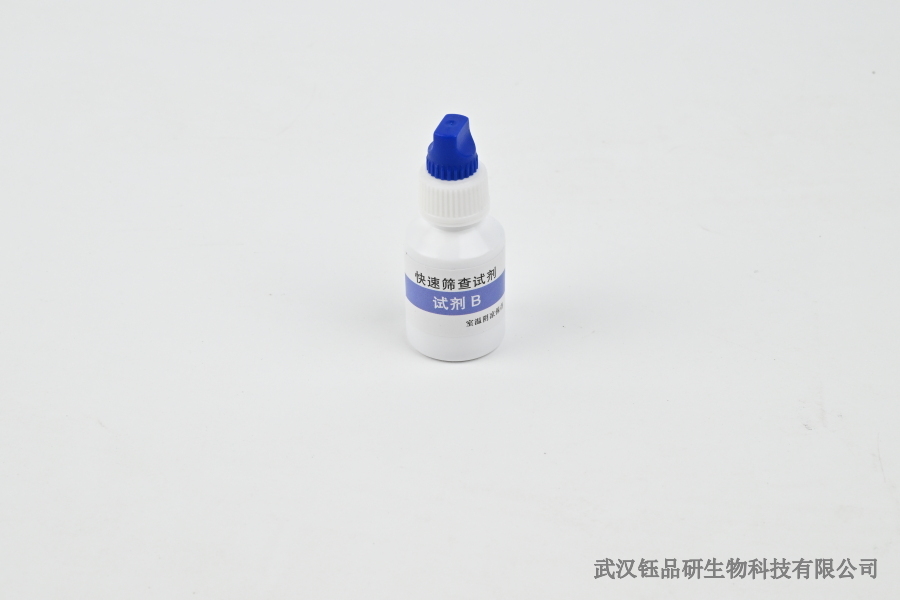
feed mills introduce a simultaneous detection scheme of chlortetracycline and sulfonamide residues, which can not only effectively intercept unqualified raw materials, avoid breeding risks and economic losses caused by excessive residues, but also improve the quality control level of raw materials through fast and accurate detection results. For enterprises, this is not only a necessary measure to implement the national "Feed Quality and Safety Management Code" and other regulations, but also an important way to establish a "safe and reliable" brand perception. Wuhan Yupinyan Bio has always taken "helping to improve the efficiency of food safety testing" as its mission. Its rapid detection reagents have been applied on a large scale in many feed enterprises through strict quality verification and practical application feedback, and have become a reliable technical support for the safety control of feed raw materials. In the future, as the industry's requirements for raw material safety continue to escalate, synchronous testing solutions will play a more important role in the feed quality prevention and control system, and promote the feed industry to develop in a safer and more standardized direction.


