
 简体中文
简体中文 Shqip
Shqip لالعربية
 Polski
 رسی
رسی Deutsch
 Русский
 Français
 한국어
한국어 Nederlands
 Čeština
 Bahasa Melayu
 Português
 日本語
日本語 Svenska
 Kiswahili
 ไทย
ไทย Türkçe
 繁体中文
繁体中文 Українська
 Español
 Italiano
 हिन्दी
 Bahasa Indonesia
 Tiếng Việt
 Filipino
In recent years, the hairy crab industry, as an important category of aquaculture, has also attracted much attention to the food safety issues in its breeding process while driving local economic development. The quality of the water body in the breeding environment, the source of feed and the standardization of management operations may affect the quality and safety of hairy crabs, and the abuse of prohibited drugs is the key risk point. Among them, sodium pentachlorophenate and malachite green have been illegally used to prevent and control breeding diseases, and their residues have a clear harm to human health. It has become a key screening object for the detection of prohibited drugs in hairy crab breeding bases.
the growth cycle of hairy crab culture and the risk of prohibited drugs
In the growth cycle of hairy crabs, the ecological balance of the aquaculture water body and the safety of feed are directly related to its body composition. In order to deal with parasites or diseases, some farmers may illegally use the banned sodium pentachlorophenate (used to control waterbirds and snails, but its metabolites are damaged to human liver and kidneys) and malachite green (with antibacterial effect, but there is a risk of carcinogenesis and teratogenesis). If these prohibited drugs penetrate into the crab tissue through the aquaculture water body, they will remain in the meat, and consumers may cause toxic reactions after eating, and long-term intake will pose a potential threat to health. Therefore, the special project screening of sodium pentachlorophenate and malachite green in the breeding base is an important part of controlling the food safety of hairy crabs.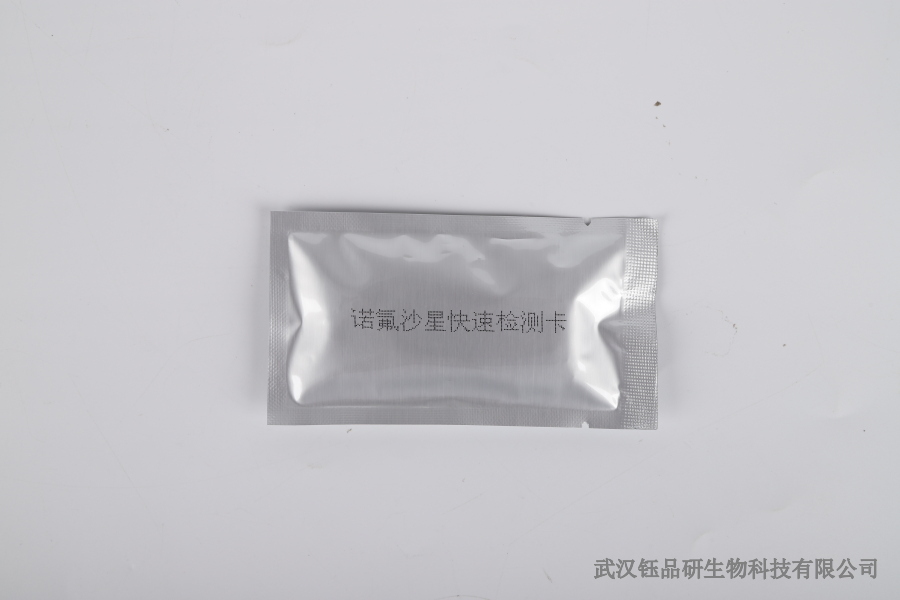
the harm and control requirements of sodium pentachlorophenate and malachite green
Sodium pentachlorophenate, as a broad-spectrum biocide, has been banned in aquaculture for many years, but there are still illegal use in some areas. Its residues exceed the standard, which can lead to the detection of trace toxins in the muscles of hairy crabs. After entering the human body, it may interfere with the nervous system and endocrine system, cause acute symptoms such as dizziness and nausea, and long-term accumulation may also induce chronic diseases. Malachite green is a triphenylmethane dye, which has been used to treat fish water mildew, but its metabolite colorless malachite green is highly carcinogenic, and the World Health Organization has listed it as a suspected carcinogen. Our country "Maximum Residue Limits for Veterinary Drugs in Animal Foods" clearly stipulates that sodium pentachlorophenate and malachite green shall not be detected in aquatic products, which sets strict standards for the detection of breeding bases.special project screening: the key role of rapid detection technology
Although the traditional laboratory detection method can be accurately quantified, it has cumbersome and time-consuming problems, which is difficult to meet the needs of rapid screening on site in breeding bases. At this time, food safety rapid detection technology has become a key support. Taking the detection of sodium pentachlorophenate and malachite green as an example, through rapid detection principles such as immunochromatography and colloidal gold marking, sample pre-processing and result interpretation can be completed in a short time, which is suitable for various sample types such as aquaculture pond water samples and crab tissue. This detection method can not only help farmers detect illegal drug use problems in a timely manner and avoid substandard products from entering the market, but also provide efficient tools for the daily sampling inspection of regulatory authorities.Wuhan Yupinyan Bio's detection solution supports
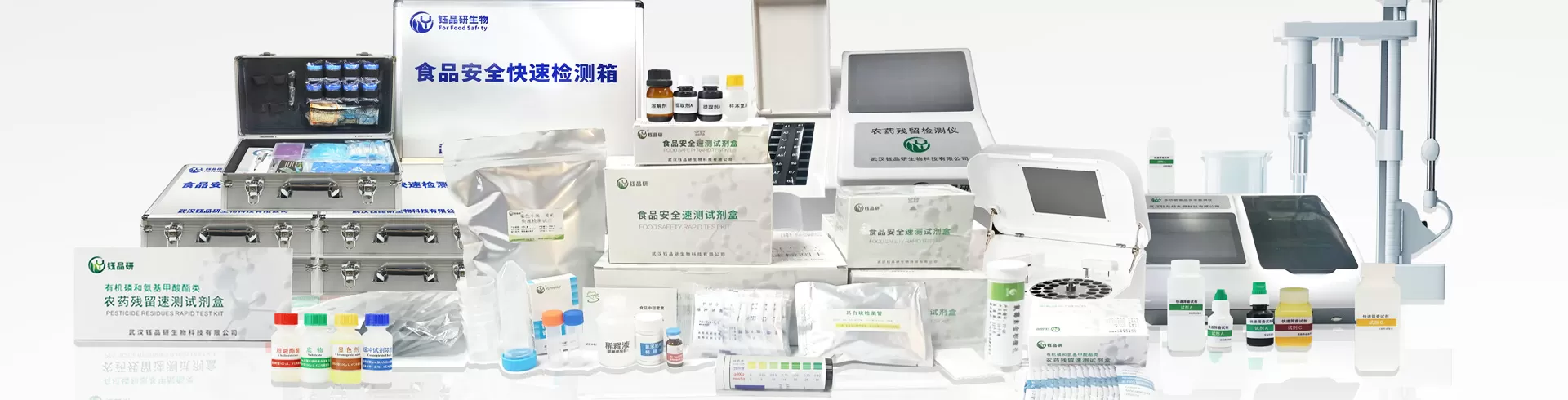
Wuhan Yupinyan Bio, as an enterprise focusing on the research and development of rapid food safety detection reagents, has always been committed to solving the pain points of industry detection through technological innovation. The rapid detection kit of sodium pentachlorophenate and malachite green developed for hairy crab breeding bases adopts specific antibody recognition technology, which can accurately lock the target substance, and the detection sensitivity meets the limited requirements of national standards. The operation process of the kit is simple, and no complicated equipment is required. Breeders or inspectors only need to follow the instructions for sample extraction, sample addition, and observation results. The detection can be completed in 10-15 minutes, and the results are clear and intuitive, which is convenient for quick decision-making. The reagent has been popularized and applied in many breeding bases, effectively helping to prevent and control risks in the breeding process, and providing reliable support for ensuring the safety of the whole chain of hairy crabs from "pond to table".To sum up, the screening of sodium pentachlorophenate and malachite green special project in hairy crab breeding bases is an important line of defense for food safety supervision. With professional rapid detection reagents, Wuhan Yupinyan Bio is using efficient and accurate technical solutions to help the industry achieve the goal of controlling safety from the source and preventing risks from the process, and promote the hairy crab industry to develop in a healthier and more standardized direction.


