简体中文
简体中文 Shqip
Shqip لالعربية
 Polski
 رسی
رسی Deutsch
 Русский
 Français
 한국어
한국어 Nederlands
 Čeština
 Bahasa Melayu
 Português
 日本語
日本語 Svenska
 Kiswahili
 ไทย
ไทย Türkçe
 繁体中文
繁体中文 Українська
 Español
 Italiano
 हिन्दी
 Bahasa Indonesia
 Tiếng Việt
 Filipino
As a commonly used organophosphorus insecticide, triazophos is widely used in agricultural production and can effectively control pests of various crops. However, due to its possible residue in agricultural products and latent risk to human health, it is an important link to ensure food safety to clarify the safety threshold of triazophos residues in agricultural products such as grains, vegetables, and fruits, and to monitor them through scientific testing methods.
the safety threshold of triazophos in grain
There are differences in the safety requirements of triazophos residues in different food crops. Taking rice as an example, the residue of triazophos in harvested rice usually needs to be controlled within 0.1mg/kg; wheat, corn and other cereal products, the safety threshold generally does not exceed 0.2mg/kg. These thresholds are designed to ensure that after the grain is processed into finished grains, it can still meet food safety standards when entering the market, and avoid possible health hazards caused by long-term consumption.
the safety threshold of triazophos in vegetables
the variety of vegetables is rich, and different types of vegetables have different tolerance standards for triazophos residues. Leafy vegetables (such as spinach and lettuce) have stricter requirements for triazophos residues due to direct consumption and dense leaves, usually no more than 0.05mg/kg; root vegetables (such as potatoes and radishes) can be appropriately relaxed, but generally still need to be controlled within 0.1mg/kg; fruit and vegetable vegetables (such as tomatoes and cucumbers) are adjusted according to the way of consumption, and their safety thresholds are usually not more than 0.05mg/kg.
fruit triazophos safety threshold
fruit as a direct import of agricultural products, the safety requirements for triazophos residues are more stringent. Common fruits such as apples, pears, citrus, etc., triazophos residues generally require no more than 0.05mg/kg; berry fruits (such as grapes, strawberries) due to thin epidermis, easy adsorption of pesticides, the threshold is lower, usually controlled within 0.02mg/kg. These standards can minimize the risk of consumers ingesting triazophos through eating fruits.
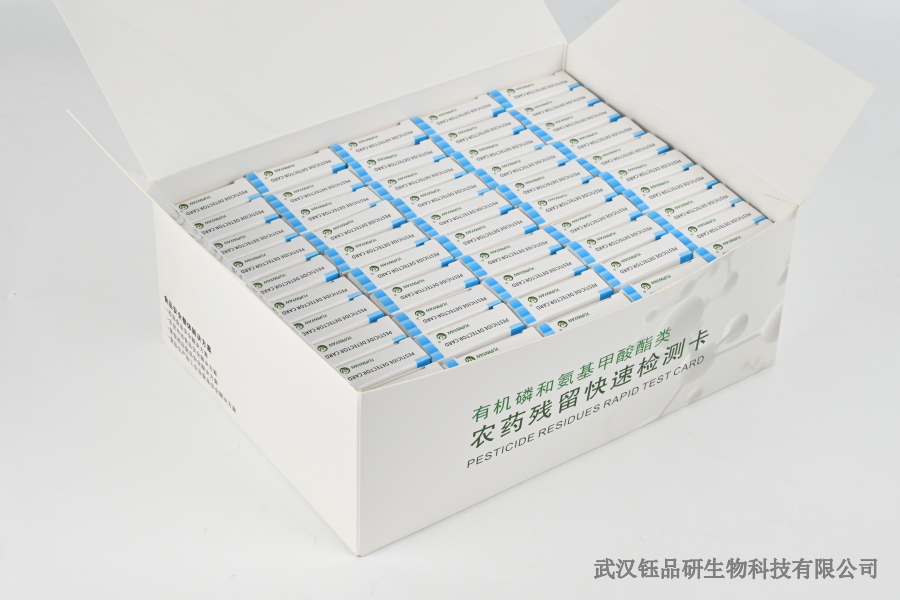
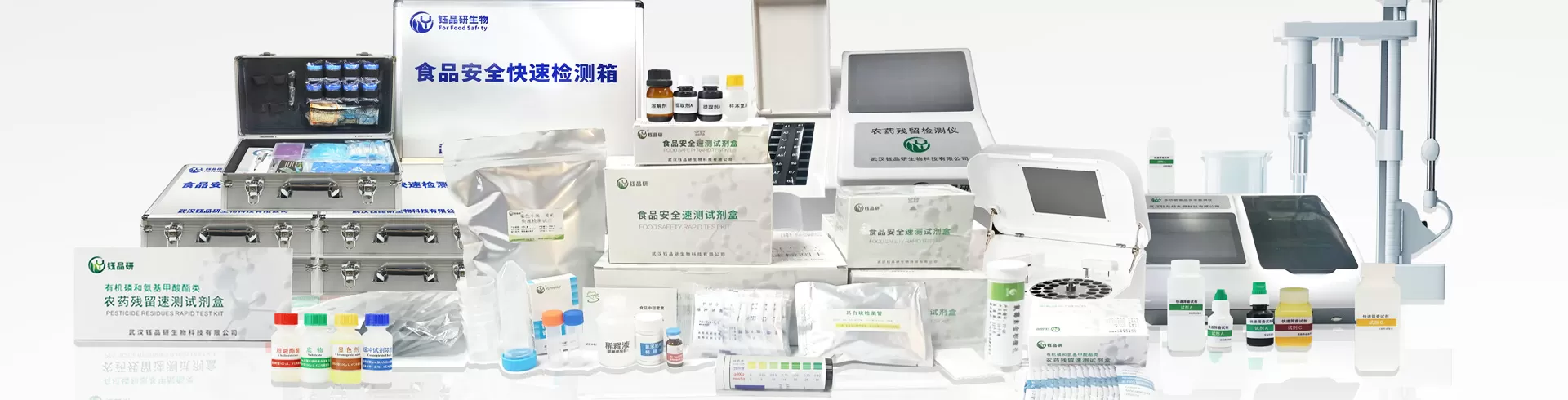
Wuhan Yupinyan Bio, as an enterprise focusing on the research and development and production of food safety rapid detection reagents, has always been committed to providing efficient solutions for the quality and safety testing of agricultural products. The triazophos rapid detection reagent we developed adopts cutting-edge immunoassay technology, which can complete the sample pre-processing and detection process in a short time, and help users accurately obtain triazophos residue data. Whether it is sampling inspection before field harvesting, the check of acquisition links, or screening in market supervision, our detection reagents can efficiently help to ensure the safety and control of agricultural products from source to table.
Accurately grasp the safety threshold of triazophos is the key to ensuring food safety. With its professional technical team and continuous R & D investment, Wuhan Yupinyan Bio continuously optimizes the detection plan to provide reliable support for the detection of triazophos residues in all links, so that consumers can eat each agricultural product with confidence, so that the safety control of the production end is more scientific basis.