简体中文
简体中文 Shqip
Shqip لالعربية
 Polski
 رسی
رسی Deutsch
 Русский
 Français
 한국어
한국어 Nederlands
 Čeština
 Bahasa Melayu
 Português
 日本語
日本語 Svenska
 Kiswahili
 ไทย
ไทย Türkçe
 繁体中文
繁体中文 Українська
 Español
 Italiano
 हिन्दी
 Bahasa Indonesia
 Tiếng Việt
 Filipino
The core points of the GB method for triazophos detection
The standard clarifies the scope of application of triazophos detection, covering common agricultural products and processed foods such as grains, vegetables, fruits, tea, honey, etc. The detection principle uses a combination of sample pretreatment and instrumental analysis, and removes matrix interference through purification technologies such as solid phase extraction. Then, gas chromatography-mass spectrometry (GC-MS/MS) or gas chromatography (GC) is used for quantitative detection to ensure the sensitivity and specificity of the detection results.
In the key operation steps, sample pretreatment is the core link to ensure the accuracy of detection. Appropriate extraction solvents (such as acetonitrile) need to be selected according to different food substrates. The liquid to be tested is obtained by shaking extraction, centrifugation and other steps, and then purified by solid phase extraction column to remove impurities. The instrumental analysis part needs to strictly control the chromatographic conditions, including the type of chromatographic column, carrier gas flow rate, heating procedure, etc., to achieve effective separation of triazophos and other pesticide residues. At the same time, standard curve drawing and methodological verification (such as precision, collection rate) are also necessary steps to ensure data reliability.
compliance requirements and laboratory specifications for triazophos testing
The test results must comply with the relevant provisions of GB 2763-2022 "National Food Safety Standards, Maximum Residue Limits of Pesticides in Food". The positive samples need to be further confirmed and the test results reported as required. The laboratory needs to establish a sound quality control system, including the qualification training of testing personnel, regular calibration of instruments and equipment, traceability management of standard products, etc., to ensure that the whole process of testing can be traced. In addition, the test report needs to contain key contents such as sample information, testing methods, original data source, and judgment conclusions. The data needs to be reviewed by two people to reduce errors.
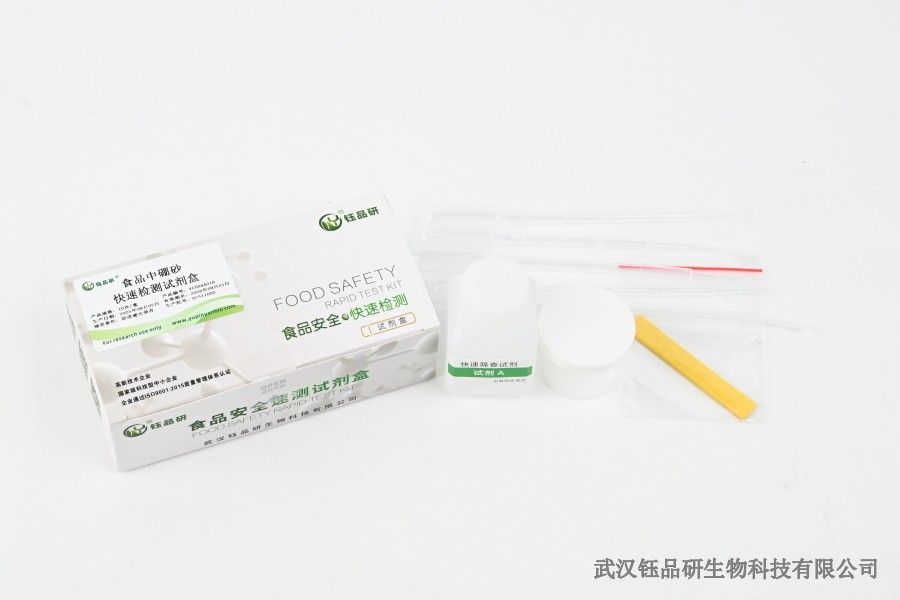
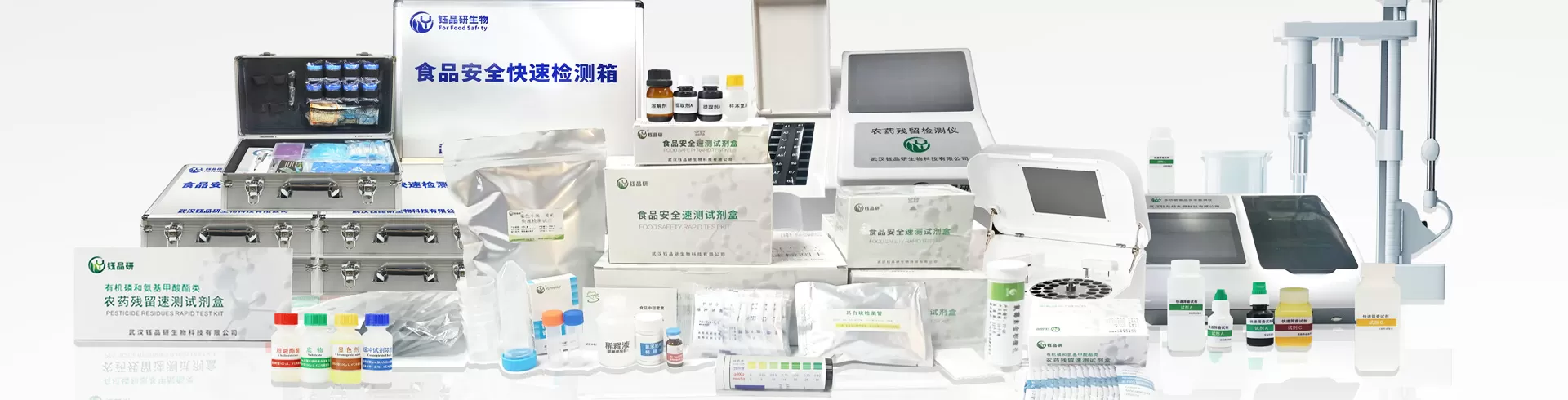
As an enterprise focusing on the research and development and production of food safety rapid detection reagents, Wuhan Yupinyan Bio has always been committed to providing efficient and reliable technical support for the testing field. The triazophos rapid detection reagent developed by it is optimized based on the principle of the national standard, which can simplify the sample pretreatment and testing process, effectively shorten the testing cycle, help enterprises and regulatory departments to quickly respond to food safety risks, and effectively protect consumer dietary safety.
The detection of triazophos in food is not only a strict control of pesticide residues, but also an important line of defense to maintain food safety. Through in-depth understanding of the method points and compliance requirements of the national standard GB, combined with the application of professional testing reagents, the level of food quality and safety management can be comprehensively improved, and a solid foundation for the healthy development of the industry.